

Have you ever wondered if your digital protection is truly strong? Picture a system that watches your network like a friendly watchdog, alerting you before any trouble even starts.
SIEM (Security Information and Event Management, which means a tool that gathers and makes sense of clues about your security) collects hints from every part of your digital setup. It puts the pieces together in real time so you can act quickly and stay ahead of threats. In short, SIEM cyber security gives you a solid defense made for today’s fast online world.
Understanding SIEM in Cyber Security: Definition, Purpose, and Core Concepts
SIEM stands for Security Information and Event Management. Think of it as a smart system that gathers and checks security details from servers, network gadgets, cloud apps, endpoints, and firewalls. It all started back in 2005 when two older methods, one that collected logs (a way to store records) and another that watched security events (a way to monitor actions), combined into one powerful solution. This new system not only shows what’s happening right away but also digs deeper for clues when incidents occur.
At its core, SIEM works a bit like a trusty watchdog. Imagine setting up your home security: you install cameras in the best spots (collecting logs), keep an eye on the video feed for anything unusual (real-time threat detection), and then check closer if something seems off (forensic analysis). Picture SIEM giving you a heads-up about a strange login attempt, like a sudden noise in a quiet house. This quick alert helps teams jump on potential problems before they turn serious.
In simple terms, SIEM pulls data from many places and uses clear rules and sometimes even artificial intelligence (a way for computers to spot patterns) to find risks. This gives security teams one clear view to connect the dots and act fast, stopping small problems from becoming major breaches. Today, SIEM is a key tool in cyber security, making sure every bit of data plays a part in protecting our digital world.
SIEM Architecture and Core Functionalities in Cyber Security
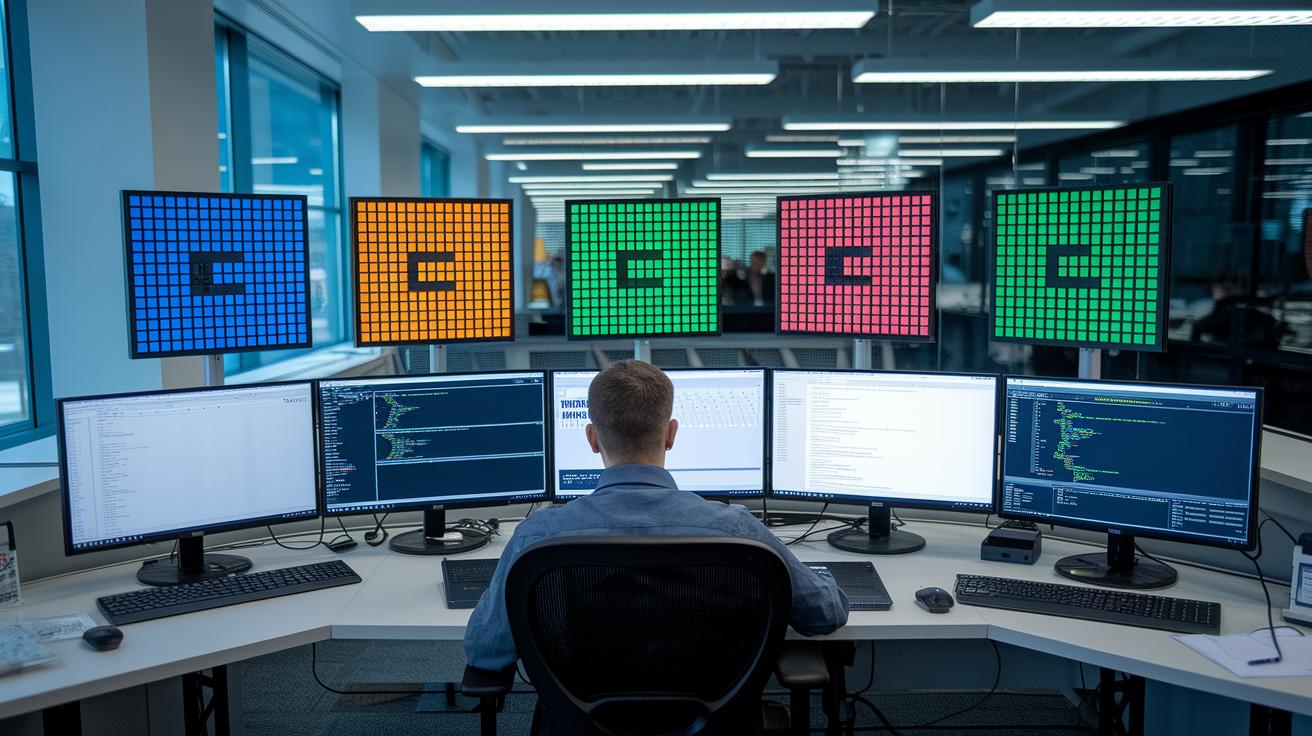
Modern SIEM platforms build a strong digital shield using seven important building blocks. They start by collecting logs and events from every part of your digital setup, endpoints, cloud services, and network devices. Think of your SIEM as a high-tech control room, keeping an eye on every digital doorway.
Here are the seven key building blocks:
- Data gathering from many sources so no detail slips through.
- Analysis with set rules and AI (computers that learn to spot patterns) to connect the dots.
- Special data storage that lets teams look back at old logs for clues.
- Threat detection using statistics, machine learning (a way for computers to learn from data), and threat information to find risky behavior.
- Integration with SOAR (software that automates quick responses) to speed up incident actions.
- Real-time monitoring that offers instant alerts when a threat shows up.
- Historical forensics that allows a deep look into past events to help prevent future issues.
Here's something to think about: even the toughest security breaches sometimes start with a missed log entry, making complete data gathering your first line of defense.
By letting AI clean and enrich logs, the system cuts down on false alarms and highlights real risks. It makes noticing threats almost as simple as putting together a puzzle, where every log is one important piece.
Every feature works together like parts of a well-oiled machine. Data gathering gives you a full picture, while real-time monitoring lets teams know about problems the moment they happen. And by revisiting past events with historical forensics, teams learn and strengthen their defenses. Together, these features offer both a quick view of potential issues and a deep understanding of the digital battleground, making SIEM a key tool in modern cyber security.
SIEM Cyber Security Delivers Ultimate Digital Defense
Setting up SIEM is like building your digital fortress. You need to stick with best practices so every log, from your servers, endpoints, or cloud apps, plays its part in keeping your digital space safe. It starts with knowing exactly what data you have and making sure your tools follow rules like GDPR, HIPAA, and PCI DSS. Plus, using modern, cloud-based data lakes helps you handle more logs from all your IoT devices and multi-cloud setups. Think of it like packing for a big move, every detail counts.
Planning your SIEM rollout is just as key. Start with your most critical assets and add the rest in simple steps. Having clear roles in your security operations center (SOC) and solid training (you can check out cyber security certifications on our site) keeps your guard active. Regular updates and tweaking your rules also stop old alerts or data overload from slowing you down. And if you ever feel stuck, there are plenty of guides to help you plan a smart cyber defense.
Here are five key best practices for a unified SIEM setup:
| Step | Description |
|---|---|
| 1 | List all systems that generate logs and align SIEM to meet compliance needs. |
| 2 | Plan for growth by using cloud-based data lakes to handle rising log volumes. |
| 3 | Roll out the system in phases, starting with critical assets and clear SOC roles. |
| 4 | Tweak correlation rules to reduce false alerts and avoid data overload. |
| 5 | Keep up with regular updates and maintenance so your system stays sharp. |
In the end, blending these practices into your SIEM strategy helps you catch risks early and stay ready as your digital world changes. Every piece of data works together to deliver the ultimate digital defense.
Comparing SIEM Tools for Cyber Security: On-Premises versus Cloud Solutions

Traditional on-premises SIEM tools are a bit like an old car built for smooth highways instead of busy city streets. They ask for a lot of hardware money, don’t easily grow when you need more room, and can struggle with handling a flood of data. Think of it this way: it’s like needing a chunky desktop computer when all you really need is a nimble tablet for today's fast pace.
Cloud-native SIEM tools, on the other hand, work more like a magic toolbox that grows with you. They offer flexible storage and clear dashboards that show you what’s happening in real time, no heavy, expensive setup required. They can handle busy moments like holiday shopping waves and keep your costs low from the start. It’s a great fit when you need to keep up with fast changes and sudden threats.
Then there’s a hybrid model that mixes both worlds. It lets you keep your most sensitive systems on-site while moving other tasks to the cloud. This way, you get the control of on-premises setups and the easy scalability of cloud systems together.
| Deployment Model | Key Advantages | Considerations |
|---|---|---|
| On-Premises | Direct control, known infrastructure | Big hardware costs, limited growth |
| Cloud | Flexible storage, clear dashboards, live updates | Needs a strong internet, data rules can be tricky |
| Hybrid | Mix of control and growth, custom data handling | Takes careful setup, managing two systems |
Each approach offers unique perks and challenges. The choice depends on your specific needs and the pace of your cyber world.
Real-Time Incident Response and Alert Management in SIEM Cyber Security
Imagine SIEM as a watchful friend taking care of every doorway in your digital world. It collects bits of information from antivirus software, login systems, network devices, and even intrusion detectors to sort out which alerts need your attention. Picture a system that spots a sudden burst of login attempts and, using its smart rules, immediately recognizes a possible threat.
Next, SIEM ties all that data together using well-tuned rules. When different logs come in from all corners, it figures out whether a strange event is just a one-off or if it's part of a bigger problem. It’s a bit like solving a mystery where one odd clue might lead to uncovering more hidden issues.
Another cool aspect is its ability to work with SOAR (a tool that automates response steps). When an alert pops up, this combo can kick into action right away, like an automatic door that locks as soon as it senses trouble. This smart setup cuts response times by about 50%, meaning threats get stopped before they spread. For example, if a breach seems likely, the system might quickly isolate the affected devices and alert the security team.
Thanks to risk-based alerting, SIEM helps keep false alarms at bay. That way, your security team can focus on the really serious issues. It’s like having a smart filter that only lets the crucial alerts through, so you're not overwhelmed by minor hiccups while keeping your digital space safe.
SIEM Cyber Security Use Cases and Case Studies in Enterprise Environments

Companies of all sizes are turning to SIEM (a tool that helps monitor and secure digital spaces) to keep their online world safe. Financial services, healthcare, retail, manufacturing, and even government agencies are leading the way. Cloud-first businesses, in particular, love SIEM because it sets up quickly, letting them react fast when problems arise.
One real-life example comes from a case study with Exabeam Fusion SIEM. In this situation, a large company mixed user and entity behavior analytics (a way to watch how people and devices act) with SOAR (automation for security tasks). By combining these tools, they cut down alerts by 60% and reduced investigation time by 80%. Wow. This case shows just how powerful a well-integrated SIEM system can be.
Integration is a big part of making SIEM work well. Many teams link their SIEM to firewalls, endpoints, cloud apps, and threat intelligence feeds using API connectors (tools that let different systems talk to each other). This approach gives the entire network a clear view of potential threats, making it easier for security teams to keep everything in check.
Key uses for SIEM include watching over critical transactions in hospitals, protecting payment data in stores, and keeping sensitive government info secure. With SIEM, companies can make fast, smart choices based on real data, turning it into a must-have tool for today’s cyber defense.
Future Trends and Innovations in SIEM Cyber Security
AI and machine learning are completely changing the way SIEM works. Imagine a tool like Exabeam Nova that can spot problems on its own, walk you through investigations, and even give simple, step-by-step advice on what to do next. It’s a bit like a gentle tap that opens a secure vault when it notices something off.
New ideas are taking SIEM into exciting territory. These systems are now getting smarter by learning from global trends and patterns, so they can predict and stop attacks before they happen. Think of it like having a map that lights up dangerous zones and safe spots. And when SIEM joins forces with platforms like XDR and UEBA, you get one clear view of both external threats and internal actions.
Market trends back these cool upgrades too. SIEM is expected to grow from a $4.8 billion market in 2021 to $11.3 billion by 2026. This shows that companies everywhere are turning to smart, flexible defenses that adapt as new threats pop up.
Final Words
In the action, our journey through SIEM began with clear definitions and a breakdown of its architecture. We explored best practices for secure, scalable implementation and compared on-premises, cloud, and hybrid solutions.
We also saw how SIEM supports real-time incident response and drives business growth through enterprise successes and future tech insights. With easy-to-grasp ideas, this article armed you with the essentials of siem cyber security and its powerful potential. Every step brings us closer to a safer digital landscape.
FAQ
What is SIEM in cyber security?
The SIEM in cyber security signifies Security Information and Event Management, a system that gathers logs from various sources and uses smart rules to spot potential threats in real time while aiding investigations.
How does SIEM work and can you get some examples of SIEM tools?
The SIEM in cyber security works by collecting data from systems, correlating events using rules and AI, and triggering alerts. For example, tools like Splunk, IBM QRadar, and ArcSight provide detailed threat insights.
What is the full form of SIEM in cyber security?
The SIEM in cyber security stands for Security Information and Event Management, a system that reviews and analyzes security events from across your IT environment to detect risks promptly.
How does SIEM differ from a SOC?
The SIEM in cyber security focuses on aggregating and analyzing logs for potential threats, while a SOC (Security Operations Center) is a dedicated team that uses SIEM tools among other technologies to monitor and respond to incidents.
Is SIEM the same as a firewall?
The SIEM in cyber security isn’t a firewall; it gathers and analyzes log data to detect threats, whereas a firewall actively blocks unauthorized network traffic from entering your system.
Where can I find SIEM cyber security training and tutorials?
The SIEM in cyber security training and tutorials offer hands-on guidance in log analysis, threat detection, and incident response. Many vendors and online platforms provide interactive courses to build these skills.
What are some common SIEM tools available?
The SIEM in cyber security commonly employs tools such as Splunk, IBM QRadar, ArcSight, and LogRhythm to collect, analyze, and manage security events, ensuring quick threat detection and response.