

Have you ever wondered why some innovation labs really shine while others just miss the mark? It all starts with clear goals and a burst of creative energy that sets the stage for amazing breakthroughs.
In this post, we’re exploring the simple secrets behind growth, think flexible spaces that inspire creativity and smart, adaptable methods that polish rough ideas into real success. Teams with a mix of skills and deep know-how work together to turn big dreams into clear, measurable wins.
Imagine having a clear plan that transforms your lab into a true powerhouse of progress. Isn’t it exciting to think that a focused blueprint could be the key to unlocking your full potential?
Foundational Blueprint: Defining Key Success Factors for Innovation Labs
A smart, clear plan sets the stage for turning fresh ideas into amazing products. It lays out clear goals, sparks creative energy, and smoothly guides teams through flexible steps so that every move fits the big picture. This easy-to-follow framework takes vague ideas and turns them into solid, measurable wins.
- Clear goals and a strong purpose that help boost product launch success by 12%.
- Open office spaces and flexible work areas that spark creativity.
- Abundant natural light and soothing touches paired with top-notch technology to boost productivity.
- T-shaped team members who mix wide-ranging skills with deep expertise (special skills learned over time) to support data-backed prototypes.
- Designated areas and regular routines that invite bold, new ideas.
- Agile methods that let teams experiment quickly and fine-tune ideas as they go.
- A setup built to grow as the lab’s ambitions increase.
- Ways to involve every stakeholder so that everyone stays in the loop and engaged.
All these factors work together to create a space where innovation really thrives. By sticking to this blueprint, labs not only encourage creative exploration but also see real, performance-driven results that turn visionary ideas into successful market launches.
Cultivating Vision and Leadership within Innovation Labs

A well-defined goal and mission is the driving force behind any innovation lab. Instead of just chasing profits, these labs aim to solve real problems creatively and make a positive impact. A simple, inspiring mission gives everyone a clear guide for making decisions. For example, one lab made community benefit the focus, letting its members explore ideas freely while always keeping real-world challenges in mind. This clear vision turns abstract ideas into solid, actionable plans.
Great lab leaders have that entrepreneurial spark and don’t shy away from uncertainty. They understand that taking risks is a part of innovation and they encourage a culture where experimenting, learning, and even making mistakes is welcomed. One lab leader once said, "Embrace the unknown to discover breakthroughs." His words truly resonated with his team. By taking bold steps and accepting the occasional misstep, he created an atmosphere where everyone felt comfortable testing out ideas, knowing each effort brought them closer to success.
Leaders also play a vital role in tying the lab’s vision to the larger goals of the organization. By regularly chatting with key decision-makers, these leaders ensure that daring projects support overall growth. Linking creative risk-taking with clear, shared objectives builds a united team where purpose, innovation, and business goals work hand in hand.
Nurturing a Collaborative and Creative Culture in Labs
Innovation labs work best when their spaces spark creativity and make people feel at ease. Think open layouts, flexible work spots, and touches of nature like big windows and indoor plants. One lab even set up its office like a bright, breezy studio that felt more like a playful hangout than a typical workplace. This kind of space helps everyone relax and brings out fresh ideas.
Teamwork across different fields is the heart of a lively lab. Regular sessions where folks from all departments, from engineers to designers, come together to share ideas really make a difference. Imagine a scene where a marketer scribbles customer trends on a whiteboard and a developer jots down potential fixes, all piecing together a bigger picture. This honest sharing builds true partnerships and sparks creative breakthroughs.
Ongoing feedback and try-and-learn habits keep the innovation rolling. People with a mix of broad skills and deep expertise regularly swap feedback as they test and tweak new ideas. A culture that welcomes quick fixes and learns from mistakes turns slip-ups into stepping stones for better innovation.
Simple rituals and spaces made just for creativity add a special touch. Picture a wall covered in colorful sticky notes for brainstorming or a special zone where you can build and test prototypes. These little traditions create a warm, community vibe where every team member feels free to share their unique ideas and experiment boldly.
Implementing Agile Processes and Rapid Prototyping
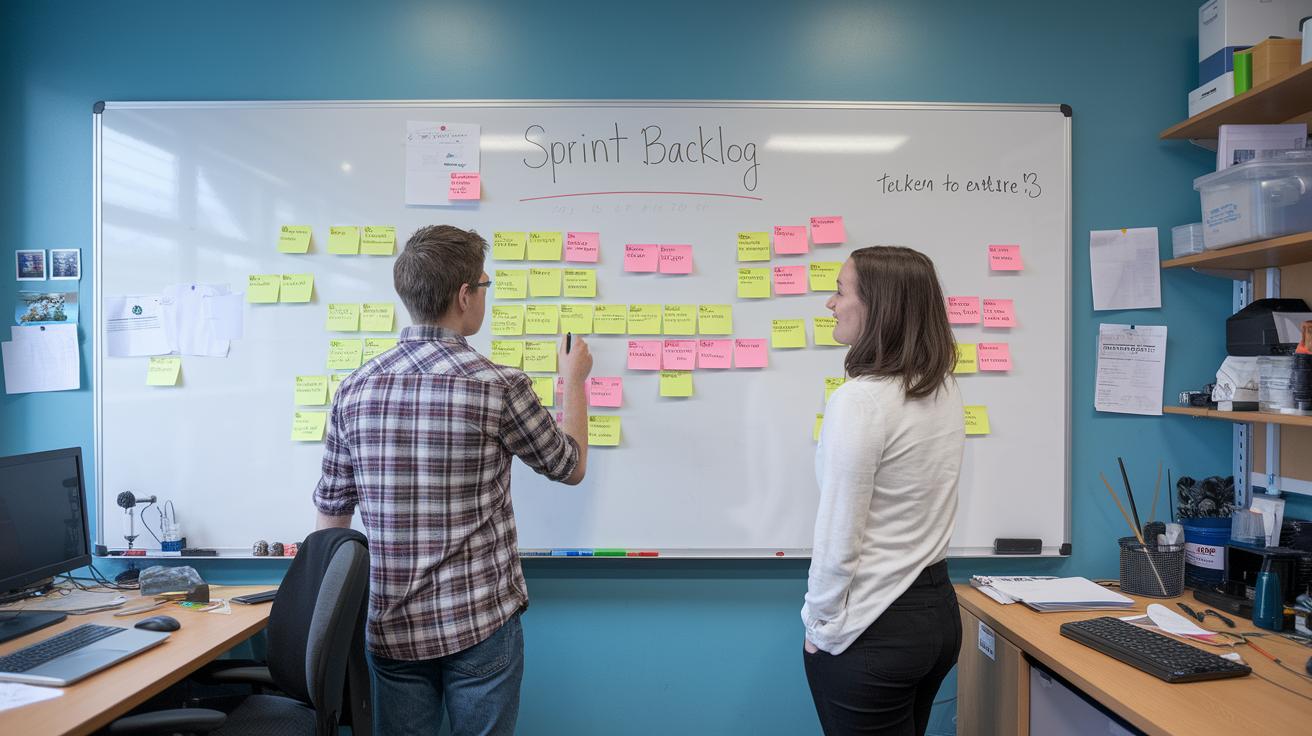
Agile methods are like the pulse in creative innovation labs. They let teams try out ideas quickly, gather feedback on the fly, and adjust projects until they're ready for the market. Labs use agile steps to mix creative freedom with clear, useful results, turning big, bold ideas into products that really work.
Agile Methodologies
Labs mix different approaches like Lean Startup, Scrum, and Design Thinking to keep things moving fast. Lean Startup is all about testing ideas quickly and learning by doing. Scrum breaks work into short bursts called sprints, where each mini-goal helps track progress and decide next steps. Design Thinking, on the other hand, focuses on solving problems in a thoughtful, step-by-step way by really understanding what users need. Together, these methods push each sprint in the right direction for a better market fit.
Prototyping Frameworks
Quickly creating a basic version of a product, often called an MVP (Minimum Viable Product, or the simplest version you can build), is a key part of the innovation process. Beacon projects act like important experiments that challenge the norm while offering a roadmap for improvements. Labs follow clear testing and validation steps to make sure every prototype gets better and better. This approach balances the need to experiment with the need for real, measurable progress.
| Methodology | Key Benefit |
|---|---|
| Design Thinking | Boosts creative problem-solving |
| Lean Startup | Helps quickly test and confirm ideas |
| Scrum | Keeps work organized with clear checkpoints |
Leveraging Data-Driven Research and Performance Metrics
User research and market trends drive our lab’s big ideas. We gather feedback with surveys, interviews, and by watching how people use our tools. One team even asked, “How would you improve this feature?” and discovered that even small changes can make a big difference. This real feedback helps our special pros (T-shaped professionals, meaning they have broad skills with deep expertise) build prototypes that really work for everyday needs.
Mixing in analytics with easy-to-read data screens makes our decision-making even stronger. Our smart tracking tools and live dashboards collect key numbers like success rates and how fast we get ideas out. Imagine a screen that lights up with live figures, instantly showing which prototypes are on track and which ones need more work. This clear look at our numbers turns raw data into steps we can take, helping us decide faster and smarter.
We set clear goals (KPIs, which are key performance indicators) and watch our progress over time to keep improving. Our teams pick simple numbers to track how well projects do and what impact they have. Then they review these figures often to adjust plans and get better results. For example, after checking how long it takes to launch a new project, a team might tweak its process to speed things up. Every decision is based on real data, ensuring our work truly makes a difference.
Integrating Advanced Technologies and Ecosystem Partnerships

Innovation labs are always on the hunt for new tech to help them stay ahead. They work hand in hand with startups, universities, and tech companies to test out cool tools like AI (artificial intelligence, which means smart computers), IoT (gadgets that connect through the internet), and AR/VR prototypes (new ways to experience digital worlds). Using open APIs and digital platforms, teams share ideas and data instantly, which makes projects move faster and keeps things secure. Labs even set up regular routines to search for and test out fresh technologies, sometimes checking sites like what is emerging tech for a closer look. This way, they not only access the latest innovations but also build a toolkit of future-ready solutions that match today's trends.
Aside from tech, building strong partnerships is just as important. Labs forge smart bonds with research institutes, well-known tech brands, and community innovators to create a network of expertise that sparks breakthrough ideas. By sharing insights and resources, everyone overcomes challenges more quickly, and projects speed up along the way. Leaders who use these tactics are better able to slide new ideas into their main strategies, boosting overall digital growth and transformation, just like it’s shown in enterprise digital transformation.
Establishing Governance and Scaling Innovation Impact
A strong governance structure is key to making sure lab projects match our overall business goals. It sets clear rules and expectations so every experiment stays on track with what matters most to the company. With regular check-ins from both top leaders and project managers, teams can take risks in a safe, steady way, kind of like having a reliable guide while exploring new ideas.
Balancing the budget between the familiar and the new is also very important. Labs often set aside about 20% of their resources for those promising, riskier ideas. This plan lets you test out bold new concepts without rocking the boat too much. In other words, it supports a steady flow of innovation while keeping the business running smoothly.
When it comes to growing a pilot into a full project, having clear checkpoints and simple ways to measure progress makes all the difference. Teams use key performance indicators (or KPIs, which are just basic ways to track success) to see if an experiment is ready for a bigger stage. By checking progress regularly and making little improvements along the way, labs build a repeatable path for growth that keeps fresh ideas thriving.
Final Words
In the action, we explored a solid blueprint for innovation labs, from forging a clear vision and leadership to fostering creative spaces and rapid prototyping. We then looked at smart, data-driven strategies and cutting-edge tech partnerships that drive success. Pulling it all together, these key factors for successful innovation labs pave the way for measurable growth and a brighter digital future. Every element works in harmony, helping organizations build secure, innovative platforms that truly make a difference.
FAQ
How do you set up an innovation lab or hub?
Setting up an innovation lab or hub means choosing a flexible space with modern tech and clear goals. It involves creating open work areas, planning rapid prototyping zones, and fostering a culture of creativity and collaboration.
What is a corporate innovation lab and its business model?
A corporate innovation lab is a dedicated workspace where new ideas are developed and tested. It uses a business model that balances strategic projects with agile experimentation, driving real-world results in a secure, creative environment.
What are the three key success factors in innovation?
The three key success factors in innovation are a clear vision, strong leadership, and a creative team culture. They create a foundation that supports rapid idea development and practical, secure outcomes.
What should be in an innovation lab?
An innovation lab should house flexible spaces for teamwork, cutting-edge technology, rapid prototyping tools, and clear data feedback systems. This setup helps test ideas quickly while ensuring results align with strategic goals.
What are the 4 C’s of innovation?
The 4 C’s of innovation include collaboration, communication, creativity, and customer focus. They build a connected, idea-sharing environment where secure and innovative solutions meet real user needs.
What are the 4 P’s of innovation?
The 4 P’s of innovation cover product, process, position, and paradigm. These guide the development of new offerings, streamline methods, shift market perspectives, and transform traditional approaches into dynamic growth.