
Have you ever thought of a password as a one-time secret handshake? Imagine a check that moves with you every step of the way.
Behavioral biometrics watches how you type, swipe, or tap to create a digital fingerprint that's all your own. It keeps an eye on your everyday actions to make sure it’s really you behind every click.
In this article, we'll explore how simple, natural movements can become a continuous layer of security, keeping things safe without ever slowing you down.
Core Principles of Behavioral Biometrics for User Authentication

Behavioral biometrics turns everyday actions into a digital fingerprint that is truly yours. It uses smart computer methods (AI and machine learning) to learn how you type, move your mouse, and swipe on your screen. Unlike using physical traits like fingerprints, it focuses on how you interact dynamically with your device.
It builds your digital profile by keeping an eye on things like your login habits, transaction history, and even details from your device such as its ID and IP address. The best part? It keeps checking in without interrupting your flow, ensuring that it's really you all along.
- Keystroke dynamics: This captures the rhythm and pressure when you type, giving you a unique pattern that's hard for anyone else to copy.
- Mouse movement: It watches the speed and path of your cursor to help tell if you're the genuine user.
- Touchscreen swipes: By looking at your swipe gestures, including how fast and hard you press, it adds another layer of security.
- Gait patterns: It even checks how you walk using data from your phone or wearable devices, turning your walk into part of your profile.
- Voiceprints: It listens to your tone and pitch during interactions so your voice forms its own unique signature.
- Signature dynamics: It studies how you sign documents, whether on paper or digitally, capturing the flow and pressure of your signature.
Every one of these elements gives a special look at how you behave on your device. When they all come together, they create a score that tells if it's really you. This score updates in real time, helping spot any unusual behavior even while you're in the middle of a session.
Key Behavioral Biometrics Techniques in User Authentication
Using many different behavioral clues, a digital profile is built that constantly checks it’s really you in real time. Every tap, swipe, or step adds to a picture of your identity.
Take keystroke dynamics, for example. It looks at how you type, its rhythm and the pressure of your keystrokes, to create a pattern that’s nearly impossible to copy. And then there’s mouse movement, which watches the speed and path of your cursor, revealing a unique style only you have.
Your signature also plays its part. When you sign, the speed and angles of your strokes form a secure digital mark that says, “This is me.” Even the way you walk isn’t left out; gait pattern evaluation measures things like stride and pace to spot your one-of-a-kind walking style.
Voiceprint verification does a similar job by checking the pitch and rhythm of your voice (a kind of digital fingerprint based on sound). When all these methods come together, they continuously confirm your identity with a seamless blend of checks at every session.
This mix of techniques builds a strong shield against fraud, making sure your identity is verified at every step.
Security and User Experience Benefits of Behavioral Biometrics in User Authentication
Behavioral biometrics is a smart way to keep users safe by watching every tap, swipe, and click as they use their device. It works quietly in the background, checking your actions in real time to spot any unusual behavior. Instead of relying on one-time passwords that might be stolen, it uses clever risk-based models (systems that adjust security based on how risky an action seems) and privacy-friendly checks to make sure it's really you, without ever slowing things down.
| Feature | Behavioral Biometrics | Traditional Authentication |
|---|---|---|
| Security | Constant checks catch odd or suspicious behavior as it happens. | Relies on one-time steps that can be copied or intercepted. |
| User Experience | Works behind the scenes for a smooth, uninterrupted login. | Often forces extra steps that slow down access. |
| Privacy | Gathers just the essential data while keeping your information safe. | Might ask for more personal details, which can increase risk. |
Companies can add behavioral biometrics to their current user account setups (https://sitescard.com?p=183). This approach not only spots any sneaky behavior right away but also lets the system adjust its security level on the fly. In short, it gives you a hassle-free login while keeping your account safe, ensuring that security and ease of use go hand in hand.
Implementation Challenges of Behavioral Biometrics for User Authentication
When you use behavioral biometrics, you’re balancing top-notch fraud protection with keeping personal data private. Companies pull only the data they need, anonymize it, and only keep it for as long as necessary, much like tucking sensitive details safely away until they're absolutely needed.
Strong encryption (a way to scramble data) is a must to guard your information. End-to-end encryption makes sure that even if someone intercepts the data, it stays unreadable. Think of it like wrapping each piece of information in its own sturdy digital armor, protecting it both in transit and when it’s stored.
Meeting compliance rules adds another layer of challenge. In some places, like Malaysia, there’s a shift from old OTP methods to these fresh behavior-based systems. That means companies need to secure clear consent and stick with strict data rules every step of the way. It’s a bit like following a new set of house rules designed to keep everything locked down.
User behavior can change over time, and the biometric system has to keep up. Regular updates and retraining of the model ensure the system stays accurate and ready to face new threats. This continuous fine-tuning makes sure the tech remains as dynamic and secure as our ever-changing digital world.
Behavioral Biometrics Use Cases for User Authentication
Financial Services
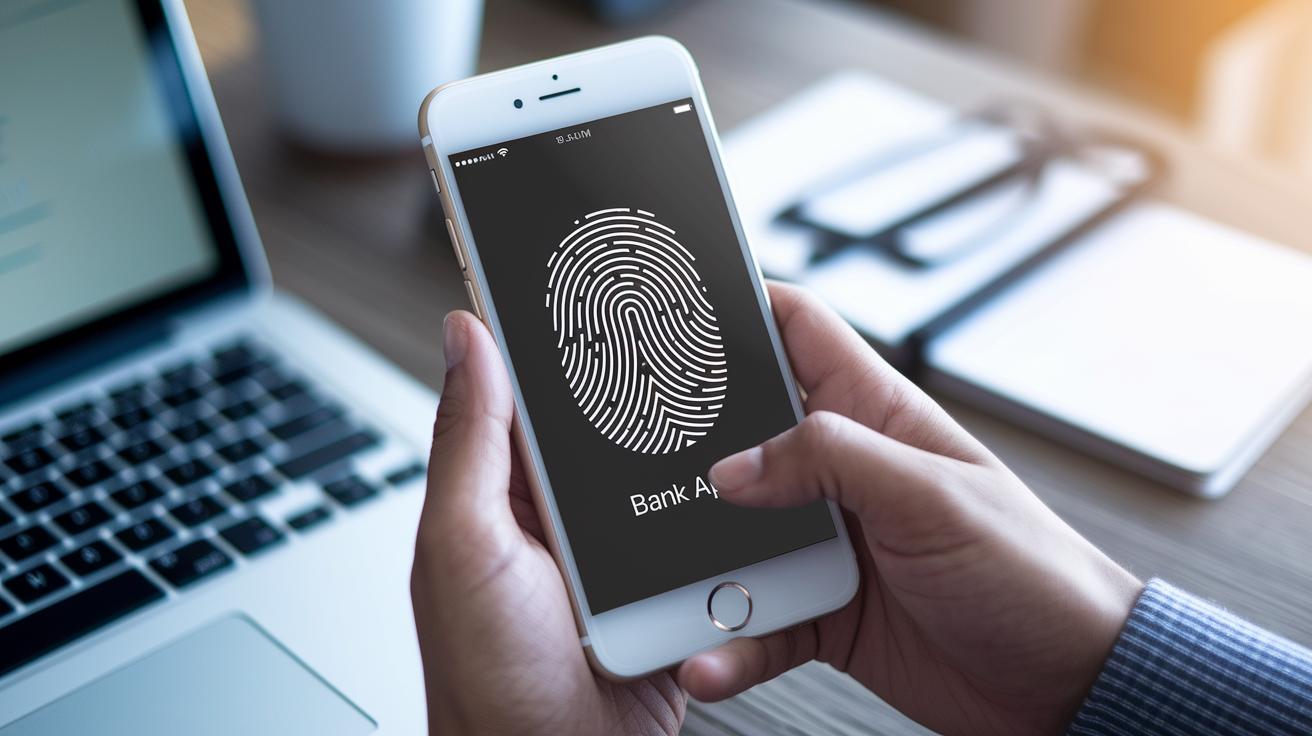
Banks and other financial institutions are turning to behavioral biometrics to fight fraud in a smarter way. They watch how you interact with their systems, like the way you log in or move through your account, to spot anything unusual. In 2020, stolen account activations went up 88%, which pushed banks to keep a constant check on user behavior. This method helps catch odd activities, like sneaky social engineering scams or mule accounts (when someone else is used to move stolen money), all while keeping things smooth for the genuine user.
E-Commerce Authentication
Online shopping benefits from behavioral biometrics too. Retailers use it to track things like how you type, move your mouse, or tap on a touchscreen during login and checkout. This behind-the-scenes check mimics a quiet security guard, making sure that only the real you is making purchases. The result? A faster, simpler process that cuts down on cart abandonment while stopping fraud in its tracks.
Physical Access Control
Behavioral biometrics isn’t just for online safety, it works great in the real world as well. For instance, gait recognition (a way to note how you walk) allows secure, hassle-free entry into buildings. By continuously tracking the way you move, these systems confirm your identity without bothering you with extra steps. In doing so, they create a seamless blend of digital and physical protection that keeps both you and your surroundings safe.
Future Trends of Behavioral Biometrics for User Authentication
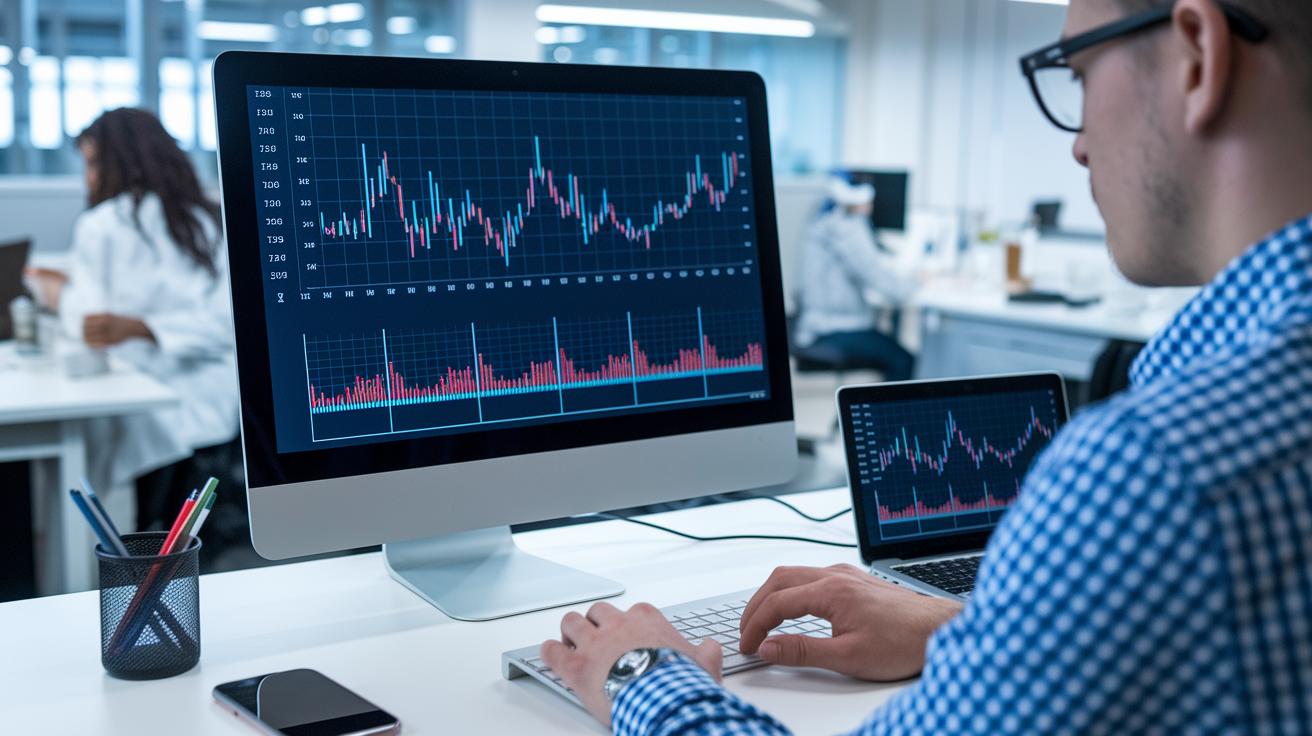
The world of behavioral biometrics (tech that looks at how you type, move, and interact) is set to hit $13 billion by 2033, growing nearly 24% every year. It's pretty cool how new ideas are changing the way we build digital trust.
Predictive learning models are getting smarter at noticing even slight changes in how users behave, flagging unusual activity early on. Researchers are busy creating systems that adjust security settings on the fly. Even if your habits change over time, these smart measures keep your digital space safe from new tricks.
They’re also focusing on drift management (tracking tiny shifts in data) to make sure that ongoing checks adapt to your changing behavior. Meanwhile, machine learning is evolving to spot old threats and even predict new ones before they cause any trouble, kind of like having a digital guardian that learns with every interaction.
New tools are gearing up with mobile-first setups and syncing information from your smartphone, tablet, and computer to verify your identity without a hitch. AI-powered safeguards quickly tweak risk levels, tightening your security just when it matters most.
All these innovations point to a bright future for behavioral biometrics, blending cutting-edge technology with our growing need for safe, seamless access in the digital world.
Final Words
In the action, we saw how behavioral biometrics for user authentication transforms digital security. The article explored core principles, advanced techniques, and real-world benefits while tackling implementation challenges. We broke down various data sources and modalities, each contributing to a seamless, secure experience. Our discussion also shed light on innovative trends and practical use cases across industries. Together, these insights pave the way for streamlined account management and robust data protection. The future looks bright, driving businesses forward with smarter, secure solutions.
FAQ
What is behavioral biometrics?
The behavioral biometrics refers to security methods that use unique user actions—such as keystroke patterns, mouse movements, or touchscreen interactions—to verify identity and maintain continuous, passive protection.
How does behavioral biometrics for user authentication work?
It works by monitoring user behaviors like typing rhythm and navigation habits, building a digital profile that continuously confirms identity without interrupting the user experience.
What are common types of behavioral biometrics?
Common types include keystroke dynamics, mouse movements, touchscreen swipes, gait patterns, voiceprints, and signature dynamics, each using everyday actions to help verify identity securely.
What is the most commonly used behavioral biometric type?
The most commonly used behavioral biometric is keystroke dynamics, which tracks the timing and pressure of typing, providing a reliable and hard-to-replicate verification method.
How do behavioral biometrics boost cybersecurity, especially in banking?
They boost cybersecurity and banking protection by continuously analyzing user actions to spot irregular patterns, preventing fraud and unauthorized access while ensuring smooth, secure transactions.
What advancements are explored in behavioral biometrics research?
Research in behavioral biometrics delves into machine learning for biosecurity, enhancing anomaly detection and adapting continuous verification methods to provide more precise and robust user authentication.
Which companies develop behavioral biometrics solutions?
Companies design these solutions by combining AI and user behavior tracking to create seamless, secure authentication systems that adapt to evolving threats and protect digital identities.