

Ever wondered how a digital mirror could change the game? Digital twins create a computer copy of real systems so companies can test new ideas without any real-world risks. Imagine fine-tuning a car engine or rearranging a factory without stopping real work.
This smart simulation taps into live data (up-to-the-minute info) to show progress in real time. It’s a neat way to improve workflows and cut costs. In truth, digital twins encourage safe and clever experiments that help fine-tune everything from assembly lines to smart building controls.
Digital Twin Technology Overview: Definitions, Key Features, and Core Concepts
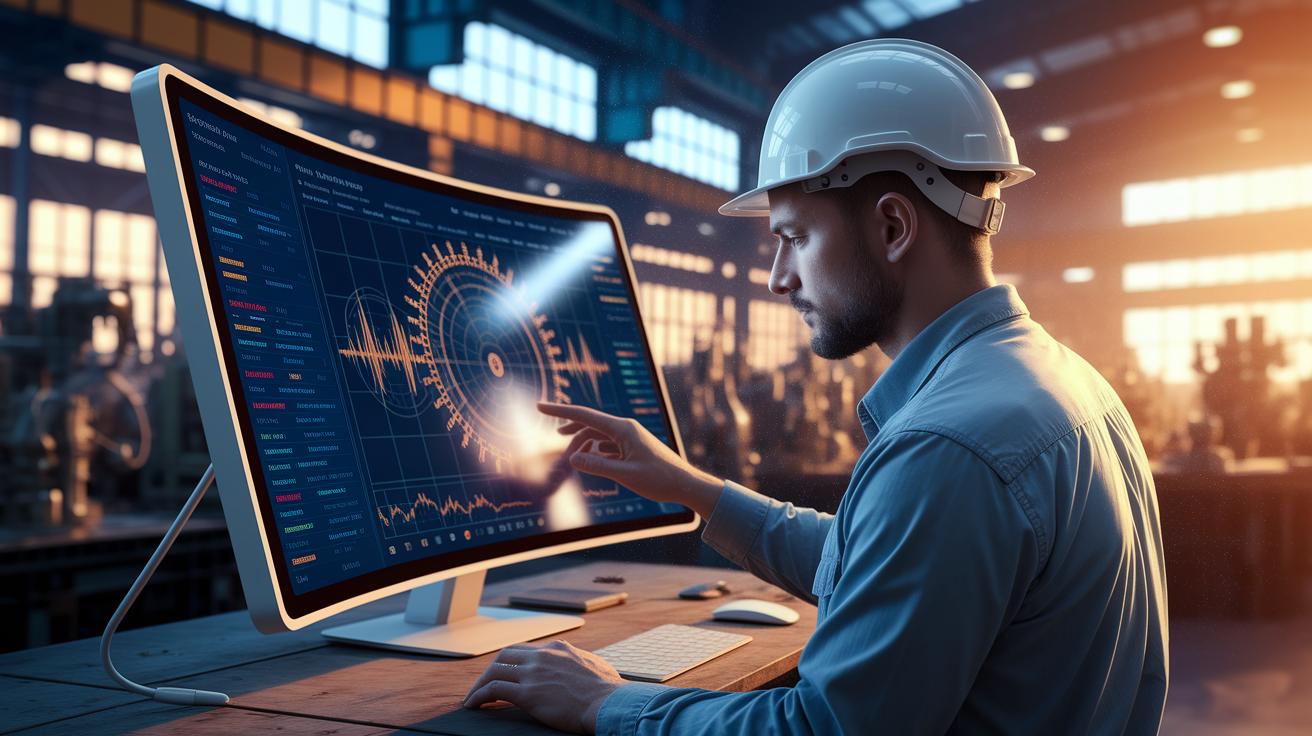
Digital twin technology builds a digital copy of real-world systems, products, or processes. It creates a model that looks a lot like the real deal, letting companies try out ideas without messing up the actual setup. Think of it like simulating a car engine or a factory, an exact copy that lets you test changes before applying them in real life.
At its core, digital twins use features like real-time data and virtual simulation spaces. They pull in sensor data (little bits of information from physical devices) constantly to keep the model current. A continuous loop of feedback makes sure the virtual version stays true to the real thing. Imagine a smart building that keeps an eye on temperature, lighting, and energy use all the time, acting like a digital control panel that spots and fixes issues immediately.
Digital twins are a big help when it comes to making smart decisions and boosting efficiency. They give clear, data-based insights that streamline troubleshooting and maintenance. This tech lets you try different scenarios, predict what might happen, and fine-tune your processes, which cuts down on downtime and saves money. For example, a digital twin of a manufacturing process might uncover a small flaw that, once corrected, significantly ramps up production. This down-to-earth, practical approach makes digital twins a real game-changer in many industries.
Digital Twin Technology Use Cases Across Industries
Digital twin tech is really changing the game for many industries by making operations smoother, safer, and smarter. Companies from factories to smart city planners are using these virtual copies (think of it like a digital mirror image) to try out ideas and boost performance without any risk. Whether it’s making sure an engine purrs perfectly or planning a city’s layout, digital twins are like a secret helper that fuels innovation and efficiency. They let businesses test processes in real time so they can tweak operations before making any physical changes.
| Industry | Company Example | Use Case |
|---|---|---|
| Manufacturing | Rolls-Royce’s IntelligentEngine | Uses over 12 sensors to track and improve engine performance |
| Automotive | Volvo | Tests new materials and shapes to boost safety and fuel economy |
| Construction | London’s Crossrail | Shows building progress and spots potential issues early |
| Oil & Gas | BP | Monitors temperature and pressure to simulate offshore platforms in real time |
| Healthcare | Össur | Makes custom-fit prosthetics to boost patient comfort |
| Smart Cities | Virtual Singapore Platform | Models the whole city to fine-tune urban planning and management |
Digital twins show off their versatility and impact across so many fields. They help factories fine-tune their processes, let car makers design safer and more efficient rides, and assist building teams in keeping projects on schedule. In areas like oil and gas, this tool can spot problems before they get expensive, while health experts can offer more custom solutions. Even city planners can create smarter and more responsive urban spaces. By mixing secure, real-time data with cool virtual modeling, digital twin technology is not just sparking innovation, it’s making operations more efficient and helping people make better decisions every day.
Digital Twin Technology Drives Powerful Innovation

Digital twin systems use a modern setup that brings together container systems with flexible cloud and edge infrastructures. This means real-world items fitted with tiny sensors can send live information, keeping their digital copies updated every moment. Imagine a smart sensor on a machine sending data instantly so its digital twin is always refreshed. It’s a smooth process that helps us improve and innovate quickly.
Key Components of Digital Twin Architecture
This technology has three main parts. First, physical devices with sensors capture important data. Next, digital models hosted on the cloud or edge act as mirror images of these devices. Finally, a middleware layer connects the real and digital worlds in real time. APIs and microservices (small independent software parts) work together to ensure the digital copy always matches the physical asset.
Data Flow and Integration
Data flows easily from sensors into cloud platforms where the digital twin lives, with edge computing lending a hand to reduce any waiting time. Secure APIs help the information move safely between the real and digital sides. This strong and simple setup makes it easier to make good decisions while boosting reliability and growth in digital twin projects.
Business Benefits and ROI of Digital Twin Technology

Digital twin technology is like having a smart mirror for your business systems. It creates a digital copy (a replica in a virtual space) of your real-world operations so you can test changes, spot issues early, and cut down on downtime, sometimes reducing maintenance breaks by nearly one-third. Ever thought about trying out a new production setup on your computer before switching things up in the real world?
This clever method helps trim costs everywhere. Instead of building expensive physical models, you can use a virtual prototype to see how things work. And by running real-time simulations, you catch inefficiencies early, saving on repair expenses and avoiding those unplanned stoppages.
The best part? The data you gather from digital twins fuels smarter decisions. It helps you manage assets better, streamline operations, and even predict potential problems before they grow. It’s like getting a detailed roadmap that keeps your business nimble and ready to roll with market shifts.
Implementation Challenges of Digital Twin Technology: Integration, Security, and Scalability

Mixing digital twins with our old-school IT and OT systems can seriously test your patience. You often need to build custom tools and clean up the data so the new digital model can chat smoothly with your existing setups. It's a bit like trying to place new puzzle pieces into an old puzzle, you might find that not all the pieces fit perfectly, which can slow your work and cause bumps in the road.
Keeping these digital copies safe brings its own set of challenges. You need strong data pipelines (tools that pull, change, and load your data) and strict rules to keep your information accurate and secure. Think of it like ensuring a calm river flows without any unwanted visitors sneaking in. Robust cybersecurity measures are essential to fend off any potential breaches and protect your sensitive data.
When it comes to going from small test projects to full-scale company-wide use, it's more than just a few tweaks here and there. This leap means investing in solid infrastructure and handling lots of data while staying on top of new security needs. Careful planning and a readiness to adapt are key so that growing your digital twin setup doesn’t turn into a costly and chaotic balancing act.
Future Innovations and Trends in Digital Twin Technology
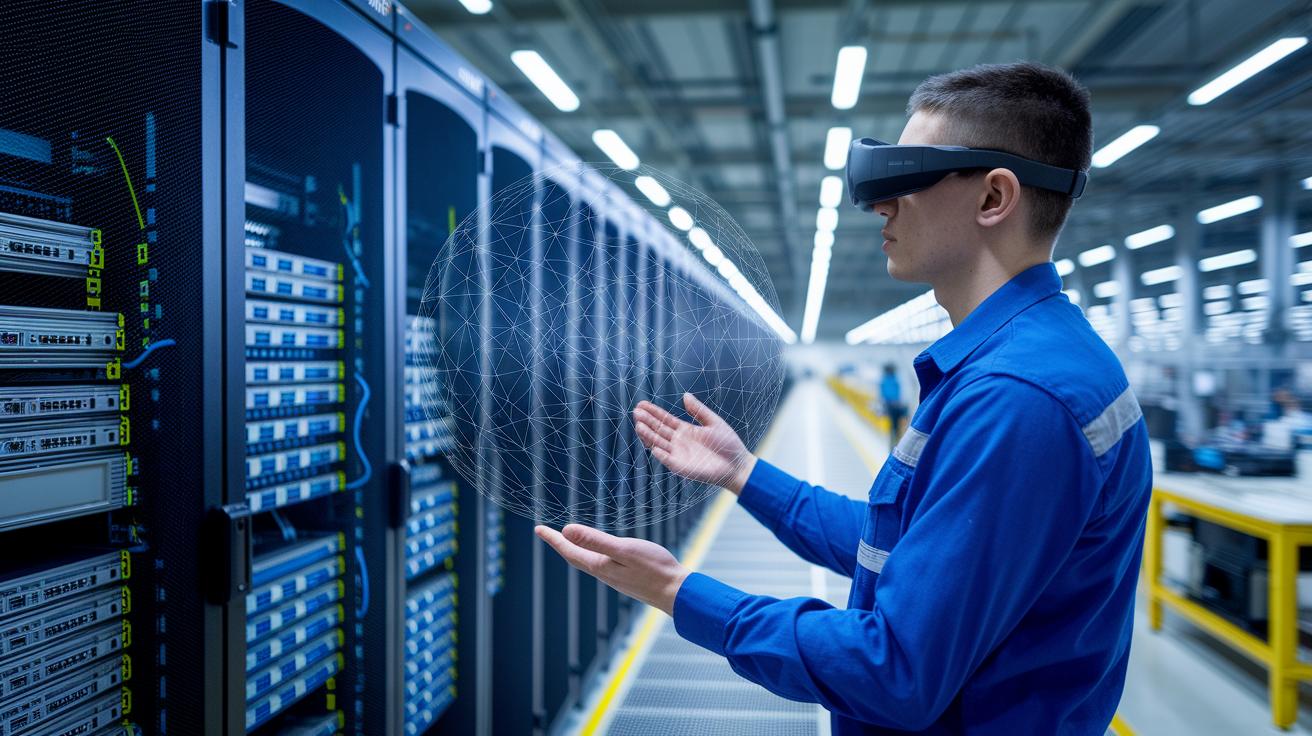
AI and machine learning are changing digital twin systems by empowering them to update, predict issues, and improve on their own. These smart technologies learn from the real-time data coming from sensors (devices that collect information) and adjust settings automatically. Imagine a digital replica that quietly tweaks its setup when it senses a small change, making maintenance smarter and simpler.
Augmented reality and virtual reality add an exciting, hands-on layer to digital twin interfaces. With AR and VR, you can explore 3D models that feel almost touchable, which is perfect for testing ideas and training. And with edge computing (processing data right where it's created), information moves fast. This means that even in remote or critical places, tweaks and predictions happen right on time.
Standardization and platform convergence are also paving the way for a unified digital twin world. New cloud platforms are coming together so different industries can use the same rules and share data easily. This collaboration helps digital twins grow into reliable and flexible tools that drive innovation and smooth operations.
Final Words
In the action, this article dove into digital twin technology, from its key features and real-time data integration to practical use cases across industries. It broke down the technical architecture and explained challenges like security and scalability with a friendly, clear approach.
We also explored how ROI and business growth drive innovation and digital transformation. Embracing digital twin technology today opens the door to a secure, efficient future. Keep moving forward with confidence and vision.
FAQ
What is digital twin technology?
The digital twin technology creates a real-time virtual model of a physical asset. This model uses sensor data to test ideas and optimize performance, making it easier for teams to enhance operations without risky experiments.
What are real examples of digital twin technology?
The real examples of digital twin technology include replicating factory floors and engine systems, as seen with Rolls-Royce’s IntelligentEngine. These models let companies simulate performance, diagnose issues, and improve product designs in a risk-free space.
What are the three types of digital twins?
The digital twin technology typically categorizes into three types: digital models, digital shadows, and full digital twins. Each type offers different levels of data interaction and synchronization to help with decision-making and efficiency.
Is digital twin technology part of AI?
The digital twin technology often works hand-in-hand with AI by using machine learning (software that learns from data) to predict performance and optimize processes. However, it remains distinct from AI itself.
How does digital twin technology impact healthcare?
The digital twin technology in healthcare means building virtual replicas of medical devices or even patient systems. These models help test treatments, plan surgeries, and improve patient outcomes while mitigating risks.
How does digital twin technology enhance construction projects?
The digital twin technology in construction lets teams create virtual models of building projects to monitor progress and catch issues early. This proactive approach improves scheduling and saves costs by avoiding setbacks later.
How does digital twin technology benefit agricultural practices?
The digital twin technology in agriculture uses sensors and real-time data to mimic fields or crops in a virtual setting. This method helps farmers optimize resource use, forecast yields, and manage crops more effectively.
What is the difference between digital twins and simulations?
The digital twin technology differs from simulations by continuously syncing with real-time sensor data. Unlike static, pre-planned simulations, digital twins offer an ongoing view that supports proactive maintenance and decision-making.
What are some popular digital twin software solutions including Azure Digital Twins and Siemens?
The digital twin software solutions, such as Azure Digital Twins and Siemens platforms, offer robust tools for creating and managing virtual replicas. They provide clear interfaces and strong data integration to meet a range of industry needs.
Where can I find a digital twin technology PDF for further information?
The digital twin technology PDF often acts as a comprehensive guide. You can usually find these documents on official company sites, research portals, or tech whitepaper repositories to explore detailed system insights.