

Have you ever wondered if today’s scientific breakthroughs were meant to shake up the old ways of doing things? Deep tech is that game-changing force rolled out from hours of hard work and creative engineering.
It isn’t just about small upgrades; deep tech completely transforms our daily routines and work habits. With smart artificial intelligence (computers that learn on their own), giant leaps in quantum science (using tiny particles for big results), and innovative new methods, this exciting field is set to reshape industries and our lives.
Imagine diving into a world where solid research mixes with breakthrough ideas that spark real change. Isn’t it amazing how tech can bring progress to our everyday lives?
Understanding Deep Tech: Definitions and Scope
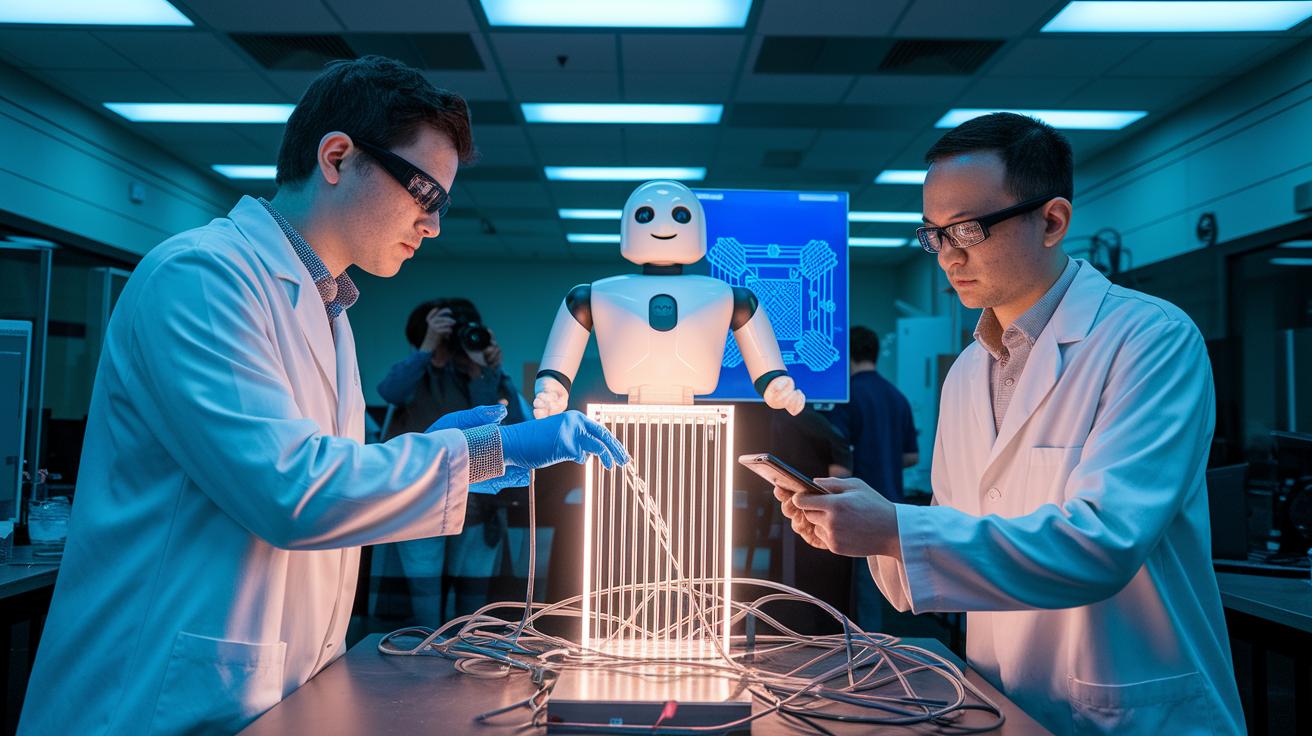
Deep tech means advanced technology born from years of scientific study and smart engineering. It covers areas like artificial intelligence, quantum computing, biotechnology (using living things in science), robotics, and blockchain. This type of tech turns deep, detailed research into everyday breakthroughs that can completely change our lives.
It’s all about shaking up old ways of doing things and opening new doors to innovation. Startups in this field use clever algorithms, data analytics (finding patterns in raw data), and scientific discoveries to bring fresh ideas. They’re not just tweaking old systems, they’re creating entirely new ways to work smarter and faster. Ever wonder how science can spark a complete revolution in how we live and work?
Succeeding in deep tech isn’t easy. It takes serious investment and a lot of patience since returns might take a while. Companies keep track of their progress with steps like patent approvals and meeting strict regulations. Plus, finding the right experts can be a challenge because only a handful of people in the world have the specialized skills needed. That makes every breakthrough a big deal and a key step in changing the market landscape.
Key Deep Tech Domains and Their Breakthroughs
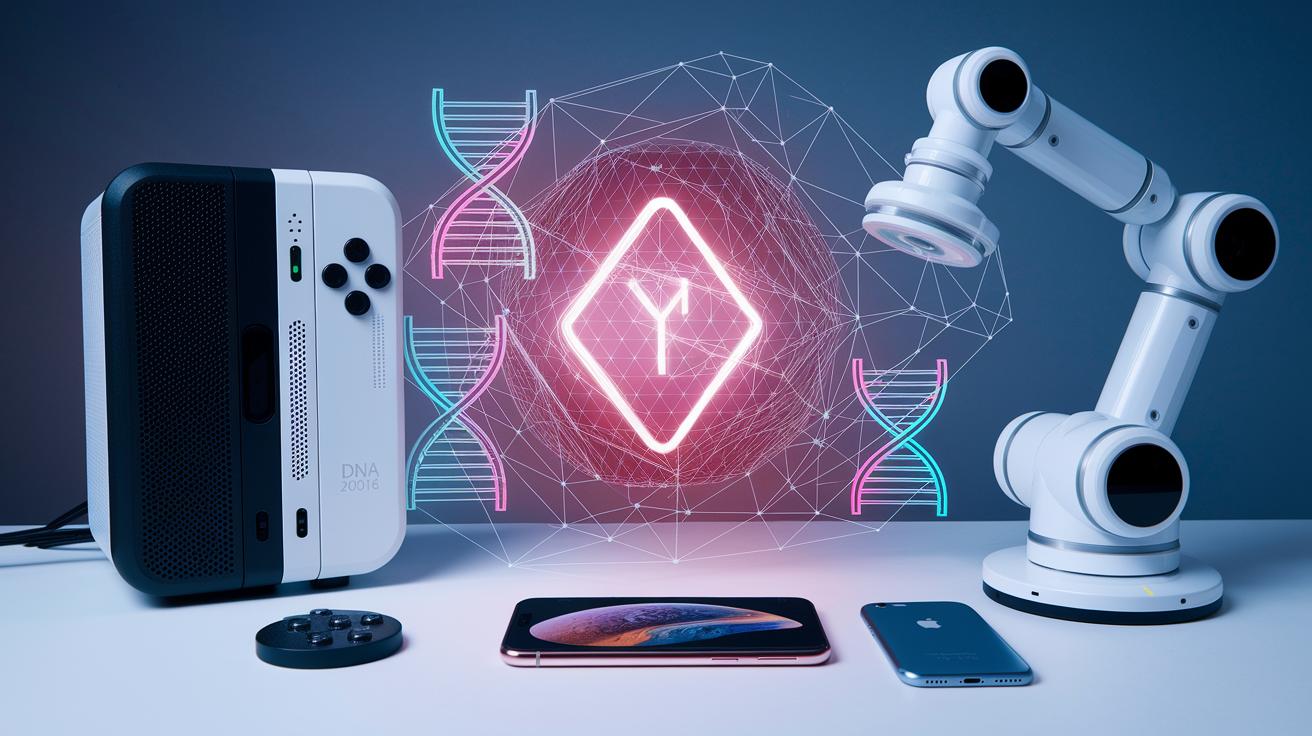
Deep tech is changing our world by using new scientific ideas to boost multiple industries. Technologies like next-generation AI and advanced blockchain systems expand what science can do, even if each one comes with its own set of challenges and real-life hurdles.
Artificial Intelligence
AI is reshaping how we interact with technology. Imagine a system that writes text, creates images, and even offers smart ideas at your fingertips. For example, self-driving cars use tons of sensor data in real time to figure out the safest route, much like how you’d check your surroundings before crossing the street. The big challenge is building secure systems that can change fast when needed. Think of smart traffic signals or personal digital assistants that simplify everyday tasks.
Quantum Computing
Quantum computing works in a whole new way by using qubits (the tiny building blocks of quantum data) to solve problems that regular computers can’t manage. Recently, one startup did a calculation in less than a second, a job that might take normal machines an incredibly long time. Even with these advances, scientists still have to fight issues like error rates and keeping the system stable. Yet, its applications, from secret code communications to simulating molecules for new materials, are truly exciting.
Biotechnology
Biotechnology is about using our genetic blueprint (the instructions in our DNA) along with modern science to craft customized medicines. By carefully studying your genes, researchers can develop drugs that work just right for you. Although the field faces challenges such as strict regulations and high research costs, its real-world benefits, from targeted treatments to faster diagnostic tools, make patient care much better.
Robotics
Robotics, boosted by AI, are making it possible for machines to work on their own even in extreme places like space. Imagine a robot that collects important data or even helps build things in outer space. Still, making these machines reliable in tough, unpredictable environments is no easy feat. Whether it’s for space missions or remote research, these robots are paving the way for new adventures in science.
Blockchain Technology
Blockchain provides a way to make digital transactions secure and unchangeable by using a decentralized ledger (a record that isn’t stored in just one place). This technology supports areas like digital finance and record keeping in organizations. While scaling these systems and improving their energy use are tough challenges, blockchain is already in use for secure cryptocurrency trading and transparent financial tracking.
| Domain | Primary Applications |
|---|---|
| Artificial Intelligence | Smart traffic systems, personal digital assistants |
| Quantum Computing | Secret communications, material simulations |
| Biotechnology | Customized medicines, faster diagnostics |
| Robotics | Space missions, remote scientific research |
| Blockchain Technology | Crypto trading, transparent finance |
Deep Tech Applications: Case Studies and Ecosystem Growth

Deep tech companies are creating amazing changes across many industries by turning complex science into everyday tools. They mix solid research with modern digital tricks that make problems seem not so hard anymore. It’s like watching a team turn a science experiment into a gadget you can actually use, and that’s pretty cool.
Take a closer look: these companies are all about secure, powerful innovations that meet today’s market needs. They build on smart ideas, like advanced data analysis (looking at numbers to pull out trends) and new ways of making things, that create a strong base for steady growth.
- AI research firm building systems for text, images, and sounds, all with a goal of reaching AGI (super smart, human-like computers).
- Biotech startup using proteins from fungi to craft alternative meats and dairy.
- Aerospace company designing reusable rockets and planning a commercial space station by 2030.
- Health tech venture linking genetic markers (tiny bits of your DNA) with treatments using AI.
- Construction firm using 3D printing to build structures, including a NASA-contracted launch pad.
- Quantum computing startup that reached quantum supremacy (a breakthrough where a quantum computer outperforms regular ones) in 2022.
- Cryptocurrency exchange known for high-volume trading and strong encryption (a way to lock down your data).
These examples show that success in deep tech comes from blending careful research, smart investment, and a team effort. Even when projects take a long time to develop or face tough regulations, these companies pull through by attracting the right talent. By constantly pushing the limits of science and adding secure, scalable tech, they set the stage for bold, groundbreaking innovations that lead the way for the next generation of transformative technology.
Technical Challenges in Deep Tech Development

Deep tech projects usually take a long time before they can hit the market. Imagine a startup spending around five years on endless experiments and tests before it can roll out a new innovation. While this process might seem slow, it’s a vital step in building groundbreaking solutions.
There’s also the challenge of finding experts with rare, specialized skills, and dealing with strict rules. Building something like a secure digital platform, for example, means not only hiring the right people but also meeting many detailed regulatory standards.
Another tough part is mixing knowledge from different areas, software, hardware, biology, and materials all come into play. Getting all these experts to work together smoothly is a bit like keeping all the gears of a machine perfectly in sync. This teamwork across fields is key to solving problems that one area alone might not be able to fix.
- Long research and development cycles
- Scarce specialized talent
- Strict regulatory approvals
- Complex patent and compliance processes
- Difficult cross-disciplinary coordination
Deep Tech Fuels Bold Scientific Innovation

Deep tech projects need a lot of money because they depend on long, careful research and special scientific breakthroughs. Investors jump on board even though it may take a while to see any returns due to the long research cycles. Big chunks of funding come in with the promise that hitting important patent goals and getting the right government approvals will bring more support. Government grants and investments from corporate venture arms team up with regular venture capital to create a strong financial base for these high-tech ideas. This mix of funds not only backs fresh science projects but also helps build an environment where new breakthroughs can turn into major market opportunities.
- Capital size: Investors aim to cover all the heavy costs of deep tech research and development.
- ROI timeline: These projects are seen as long-term, as the technology takes time to grow.
- Stakeholder mix: Government groups, corporate ventures, and traditional venture funds all join in.
- Sector focus: Money is spread across areas like AI (artificial intelligence), quantum computing (advanced computing), biotech, and clean energy tech.
Globally, we’re seeing more budgets put into deep tech fields. This steady rise in investments shows real confidence in upcoming science ventures and strengthens the market’s ability to support transformative projects. The combination of big money and cutting-edge research creates a space where bold, breakthrough ideas can truly take shape. Investors now understand that even with longer horizons for returns, deep tech is driving the kind of pioneering changes that reshape entire industries and open exciting new opportunities in the market.
Future Directions and Emerging Trends in Deep Tech

Deep tech is moving fast as quantum computing and artificial intelligence team up to solve tough challenges all at once. This mix, sometimes called quantum AI, brings together gentle digital smarts with solid science breakthroughs. Across North America, Europe, and Asia, experts are coming together in innovation hubs, sharing ideas and tools to turn theories into real-world solutions.
At the same time, green high-tech ideas and eco-friendly breakthroughs are stealing the spotlight. New work in AI and smart materials is changing how we manage energy, resources, and industries. Early tests in quantum sensing and advanced neural computing hint at tools that may soon transform how we monitor our world and make decisions. These exciting trends are laying the groundwork for a future where deep tech fuels smart, secure, and efficient progress.
- Quantum AI integration
- Global R&D partnerships
- Eco-conscious innovations
- Quantum sensing advances
Final Words
In the action, the article broke down deep tech by showing its advanced science roots and market-shaping innovations. It explained how breakthrough sectors like AI, quantum computing, and biotechnology are transforming our digital world.
We also looked at real-world applications, investment insights, and the technical hurdles that innovators face. With each section, the journey showcased how deep tech drives secure, high-performance solutions that pave the way for an exciting digital future.
FAQ
What are deep tech examples?
Deep tech examples include innovations like artificial intelligence, quantum computing, biotechnology, robotics, and blockchain. These technologies rely on years of scientific research and complex engineering to solve tough, real-world problems.
What is deep tech music?
Deep tech music is a genre that blends futuristic electronic beats with immersive soundscapes. It creates an innovative listening experience, often experimenting with rhythm and ambient effects to capture a modern vibe.
What are deep tech companies and examples?
Deep tech companies focus on breakthroughs emerging from scientific research. For example, firms harness AI, quantum algorithms, and biotech to introduce transformative products that reshape traditional markets.
What are deep tech startups?
Deep tech startups are new ventures driven by scientific innovation and complex algorithms. They invest in long-term research and development to launch disruptive products that challenge conventional industry standards.
What are deep tech products?
Deep tech products use advanced technologies such as AI systems, quantum computing platforms, biotech solutions, and robotics tools. They aim to tackle intricate problems and dramatically change everyday processes.
Is AI considered deep tech?
Yes, AI is considered deep tech because it depends on advanced algorithms and extensive scientific research. It transforms industries by offering innovative solutions that provide secure, efficient digital experiences.
How does deep tech differ from hard tech?
Deep tech focuses on breakthroughs from years of research in science and engineering, while hard tech generally refers to traditional, hardware-based products that are less centered on disruptive scientific discovery.
What is the difference between “deeptech” and “deep tech”?
There isn’t a notable difference; both terms describe advanced technologies based on intensive research. They are used interchangeably to refer to innovative fields such as AI, quantum computing, and biotech.
What is considered deep tech?
Deep tech includes technologies built on significant scientific discoveries, like AI, quantum computing, biotechnology, robotics, and blockchain. They use complex research to address important, real-world challenges.
What kinds of jobs are available in deep tech?
Deep tech jobs span research, engineering, and data analysis roles, among others. They also include project management and regulatory positions, often requiring specialized skills and deep scientific knowledge.