

Ever thought that a tiny chip could change so many parts of our lives? Microchipping technology used to seem like science fiction, but now it links different fields by offering extra security (ways to keep things safe) and a special ID system. Imagine a little radio waiting for a signal, these small devices are helping with everything from keeping track of pets to powering cool, high-tech tools. Let’s take a closer look at how this little wonder is opening fresh doors and building a more connected future in many areas.
Core Principles of Microchipping Technology

Microchipping technology is a smart little tool that uses a tiny RFID chip, about the size of a grain of rice, which works like a two-way radio. It holds a unique ID that connects to huge databases, making it a solid choice for tracking. A cybernetics professor first showed these chips in 1998, and by the early 2000s, FDA-approved VeriChip implants highlighted how this tech could really change lives.
The cool thing is that the chip works passively. It gets its power from the reader’s electromagnetic field, much like how a wireless scanner picks up signals without needing its own battery. The chip sends back its data using a method called backscatter (a clever way to communicate with very little energy). Think of it like a tiny radio that only wakes up when it hears a signal, pretty neat, right?
Security is a major focus here. The chip uses secure methods like encrypting its ID (scrambling the data to keep it safe) and making sure that only trusted readers can access it. This extra layer of defense stops any unwanted attempts to clone or misuse the chip. In short, microchipping technology blends a tiny size, smart power use, and strong security to create a seamless system for exchanging data safely.
Animal Identification with Microchip Implants

Veterinary microchipping is a quick and easy way to help pet owners feel secure. A tiny pet implant is safely placed under the skin (usually between the shoulder blades) so it carries a unique code. That code then gets added to a digital pet registry, a database that connects the implant with its owner’s contact details.
In many clinics, a technician scans the chip to make sure it’s properly logged in the database. They might even say, "We tune the scanner like adjusting a radio, ensuring a clear signal every time." This smart method works just as well for dogs as for cats.
Every May, Chip Your Pet Month kicks off campaigns that highlight these helpful pet recovery techniques. They encourage owners to use smart pet tagging systems that have led to quicker reunions, shorter stays in shelters, and better overall pet safety. Even though these implants don’t offer live GPS tracking, they serve as a reliable backup for pet identification and recovery.
- Reunite with your pet faster thanks to a dependable identification implant.
- Keep your pet safer with continuous safety monitoring.
Microchipping Technology in Healthcare and Security
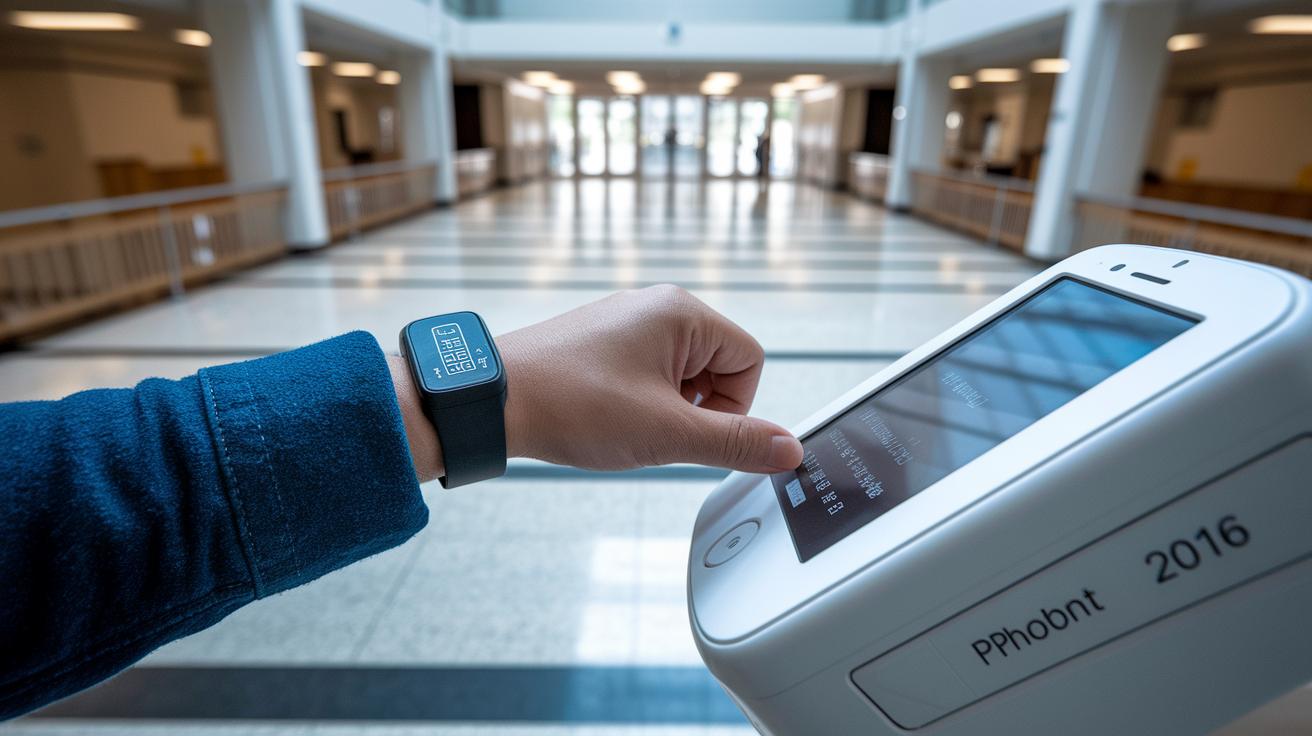
Microchipping tech is changing the way we handle healthcare and security. Tiny implants (small devices that carry important info) store a unique code that allows emergency responders to quickly pull up a patient’s details, like if someone has diabetes or Alzheimer’s, when every second counts.
At work, in hotels, gyms, or clubs, these chips mean you won’t lose your ID cards again. Imagine tapping a sensor that unlocks a door or processes a cashless payment, it’s like a gentle tap opening a vault of protection.
Digital monitoring systems also use this clever tech to keep tabs on who comes and goes. A secure building might rely on an integrated ID system that talks only to verified readers using secure (encrypted) signals. Plus, they log every entry, making sure personal details stay safe while tracking access.
Wearable devices and body implants that recognize your unique features team up to create a full digital monitoring setup. They use strict security rules to ensure only the right people can read the data, keeping your personal info just as it should be.
This smart mix of healthcare and security helps create safer places for everyone. Clinics, emergency rooms, and secure facilities now enjoy technology that links personal safety with digital convenience, opening a new era of secure and easy access for all.
Technical Advancements in RFID-Based Microchip Technology

Imagine a chip smaller than a grain of rice that can securely interact with your smartphone from across the room! Recent breakthroughs in implant technology have sparked some really cool trends in RFID. Today’s microchips are engineered to be less than 1 mm and still pack a punch with multiple sensor functions. Thanks to clever, power-saving designs, these chips work like a quiet engine in a high-tech car, handling impressive tasks without much energy.
New materials are playing a big role too. Flexible substrates and biocompatible coatings (materials that work well with your body) help reduce any unwanted tissue reactions and make the chips durable. Plus, the improved scanning range now lets devices pick up signals from over 50 cm away. Sensor calibration has become super accurate, about ±1 mm, which is a bit like tuning a radio just right for that crystal-clear sound.
Wireless data transfer shows off another exciting side of these tiny chips. They can quickly send and receive information, setting the stage for smoother connections with our mobile devices. Imagine holding up your phone to a secure door and having your ID scanned automatically, this is the promise of future integration with smartphones and IoT hubs. Emerging implant platforms are even making it possible to scan on the go using simple apps, so accessing real-time data will be easier than ever.
Benefits and Limitations of Microchipping Solutions

Microchip technology creates a lasting ID tie that helps stop theft and loss, boosts recovery chances, and makes medical access and security checks a breeze. Think about it, scanning your pet’s chip and getting a verified code instantly is like opening a digital safe with a secret key you can’t see.
This smart tech isn’t just for animals. For people, microchips can guard your personal info, speed up emergency care, and even smooth out contactless transactions. And here’s a cool fact: these chips only use energy when near a reader's electromagnetic field (that’s the invisible power source behind them), making them super efficient.
But there are a few bumps along the road. Research shows that chip movement happens very rarely (less than 1%), yet electrical issues or tissue reactions can still occur. There’s also a risk of infection, and these chips might interfere with MRIs or similar imaging tests. Some experts say we need to watch for long-term health effects as more data comes in. Plus, the costs add up, typically around $25–$50 for pets and $200–$400 for human implants, not to mention the expenses to set up and maintain the reading devices.
- Permanent ID tie that nearly eliminates theft or loss
- Smoother recoveries and easier access to medical care
- Potential for chip shift, electrical issues, and tissue reactions
- Costs related to implants and the necessary reader setups
When you balance these clear benefits against the possible risks, it’s easier for everyone, whether pet owners or medical professionals, to decide if microchip tech is the right move.
Ethical, Privacy, and Regulatory Considerations for Microchipping

Microchip technology is growing fast, and it sparks lots of discussion about how tracking affects our personal freedom. Choosing to get a chip is completely up to you, but it’s worth thinking about what it means for your own privacy and independence. Before you decide to get chipped, consider how it might impact your personal space, and remember that there are worries about someone sneaking a peek at or even changing your chip’s data.
When experts and lawmakers look at the rules, they say that both animal microchips and human implants need to be handled with clear, solid standards. In many areas, pet microchipping is required to help bring lost animals home, while human implants are totally optional. This difference shows the need for strict, easy-to-understand rules. Manufacturers and regulators work together to follow the latest data protection laws (rules that keep your personal information safe) to stop ongoing location tracking and other privacy risks.
People feel differently about human implants. Surveys reveal that more than 70% of pet owners support microchipping for their animals, but fewer than 30% of people feel the same about being chipped themselves. This split highlights why clear, ethical guidelines are so important.
- Keep your data safe with strong encryption (a method to lock your info) and secure reader checks.
- Fix any gaps in the rules about consent and privacy by updating ethical guidelines.
- Be clear and open about the laws that govern how these chips are used.
Balancing the benefits of better identification with the risks of data misuse is a real challenge in today's world of microchipping.
Future Trends and Innovations in Microchipping Technology

Picture a world where a little chip not only verifies who you are but even predicts what might happen next. AI-driven tools (smart computer programs that learn and predict) are making this possible by spotting patterns, especially for people like seniors or even your pets. Soon, your phone might send you a quick alert if it notices something odd, like your pet hanging around a busy street. It's like having a friendly helper watching over things.
Blockchain-secured systems are also stepping in to protect pet and human IDs. These systems create records that no one can change without permission, keeping your data safe. Meanwhile, real-time tracking is getting better with networks of readers that constantly check locations and update records instantly. This means your chip could easily work with smart home gadgets, car systems, or even city services.
All these innovations paint a promising picture of the future. With sharper pet tracking and nearly instant updates on your phone, the next generation of ID systems is set to make our digital world a safer and more responsive place for everyday life.
Final Words
In the action, you saw how microchipping technology powers everything from RFID chip basics to smart pet tagging, healthcare, and innovative security measures. The article walked through technical details and real-life benefits while balancing challenges and ethical questions. It also looked ahead to future trends like AI-driven tracking and blockchain-secured registries. Every segment underlines how microchipping technology is reshaping our digital world with simple, secure, and forward-thinking solutions. The innovations ahead promise an even safer, smarter, and more connected future.
FAQ
Q: What is microchipping technology for humans?
A: The microchipping technology for humans involves implanting small RFID chips that securely store unique identification data. These chips enable emergency medical access, cashless payments, and verified entry through encrypted, contactless scanning.
Q: What is microchipping technology for dogs?
A: The microchipping technology for dogs uses a tiny RFID chip implanted under the skin to hold a unique ID. This helps link lost pets to owner information via digital registries for fast and safe recovery.
Q: What is the microchipping technology cost?
A: The microchipping technology cost varies by application; pet chips usually range from $25–$50 per implant, while specialized human chips may cost $200–$400, including the required secure reader infrastructure.
Q: What are the reasons not to microchip your dog and is there a downside?
A: The reasons not to microchip your dog include potential infection risks and rare tissue reactions, alongside concerns over unknown long-term effects. However, these issues are minimal and often outweighed by the safety and recovery benefits.
Q: What is a microchip in a computer?
A: In computers, a microchip acts as a small integrated circuit that processes data. It performs vital functions by handling information through miniaturized electronic systems, similar in concept to RFID chips used in tracking.
Q: What is a microchip implant?
A: A microchip implant refers to a tiny, subdermal RFID device that stores a unique identification number. It is used for pet recovery systems and, increasingly, secure human identification methods.
Q: What country is implanting or putting microchips in humans, and are humans getting microchipped?
A: Some countries have explored voluntary human microchipping for secure access and health information, but no nation has widely mandated it. These initiatives remain experimental, with strict ethical and privacy controls in place.
Q: What does microchip technology do?
A: Microchip technology stores and transmits identification data using RFID communication. This allows for secure tracking, immediate emergency data retrieval, and convenient, contactless verification in various applications.
Q: Who are Microchip Technology, TSMC, ASML Holding, Intel, Texas Instruments, and NXP Semiconductors?
A: These companies are leading players in microchip design, manufacturing, and innovation. They drive advancements in RFID and integrated circuit technologies, ensuring robust, secure, and cutting-edge microchip solutions.