

Have you ever thought about how little clues hidden in the dark might help catch a criminal? Today’s forensic technology (a way to use science to solve crimes) turns tiny hints into strong evidence, sparking breakthroughs even in the toughest cases.
Investigators mix simple science with smart, modern tools to piece together puzzles, just like in your favorite detective movie. This new method not only points out old mistakes but also completely changes the way we solve crimes.
From detailed fingerprints to advanced DNA testing (reading the code that makes us unique), cutting-edge forensic tools are reshaping how we uncover the truth and bring justice closer to home.
Forensic Technology Foundations and Impact
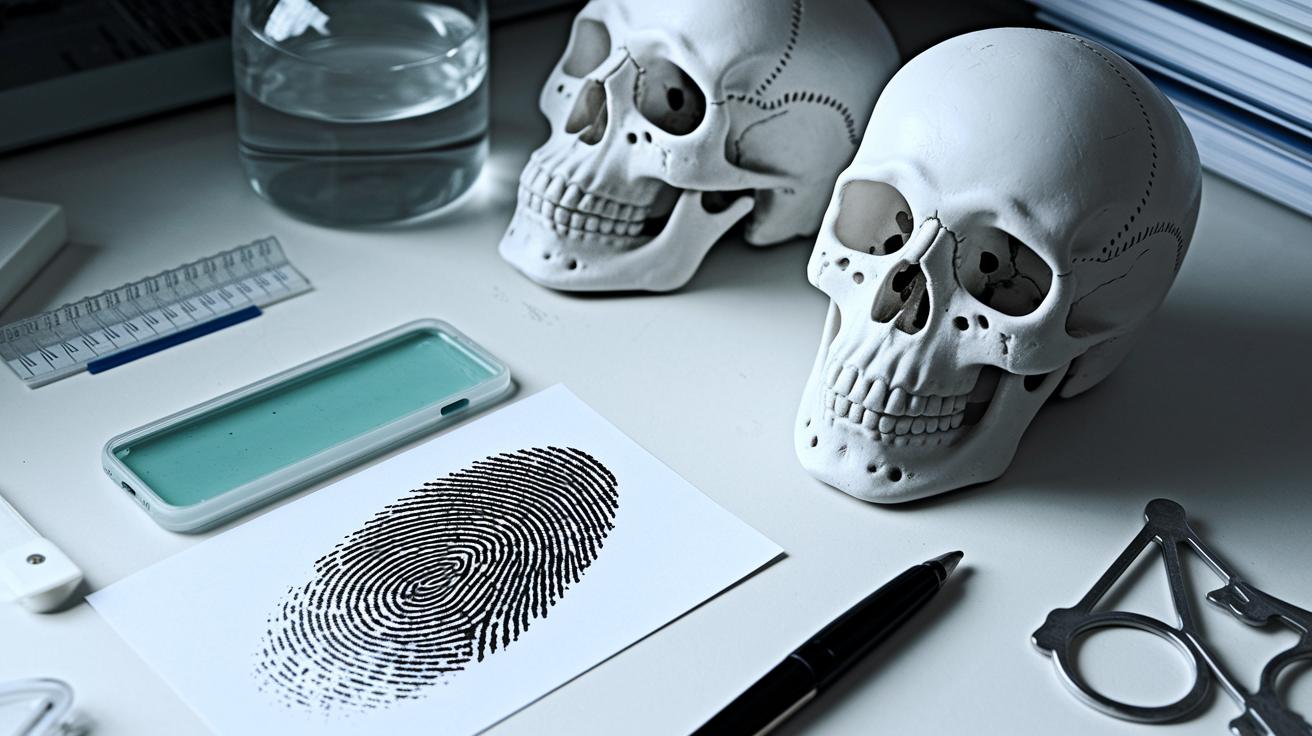
Forensic technology uses plain science to look at clues left behind at crime scenes. It uses lots of different tools and methods to examine both physical traces and digital hints. Today, we see a huge leap from the simple techniques of the past to innovative methods that make evidence gathering more accurate than ever. By mixing scientific principles with real-world practices, forensic technology supports both routine investigations and major cases, ensuring that evidence is sound in court and fair to everyone involved.
Key areas in forensic technology include fingerprint analysis, DNA analysis, anthropology, and wildlife forensics. Fingerprint analysis focuses on the unique lines on your skin, helping identify who was at a scene. DNA analysis, which often uses PCR (a method that makes many copies of a small piece of DNA, like a photocopier for genes), confirms identities even in tricky samples. Anthropology examines human remains to tell us about age, gender, and more, while wildlife forensics uses similar ideas when dealing with animal evidence. Each of these areas adds another piece to the puzzle, helping investigators get a clearer picture.
Forensic technology really makes a difference in solving cases. With evidence backed by science, police can zero in on suspects or clear those wrongly accused. When this kind of evidence is presented in court, it plays a big role in guiding decisions and boosting prosecution efforts. Plus, its careful and systematic approach not only cracks tough cases but also helps bring closure to families searching for missing loved ones.
Cutting-Edge Forensic Technology Tools and Equipment
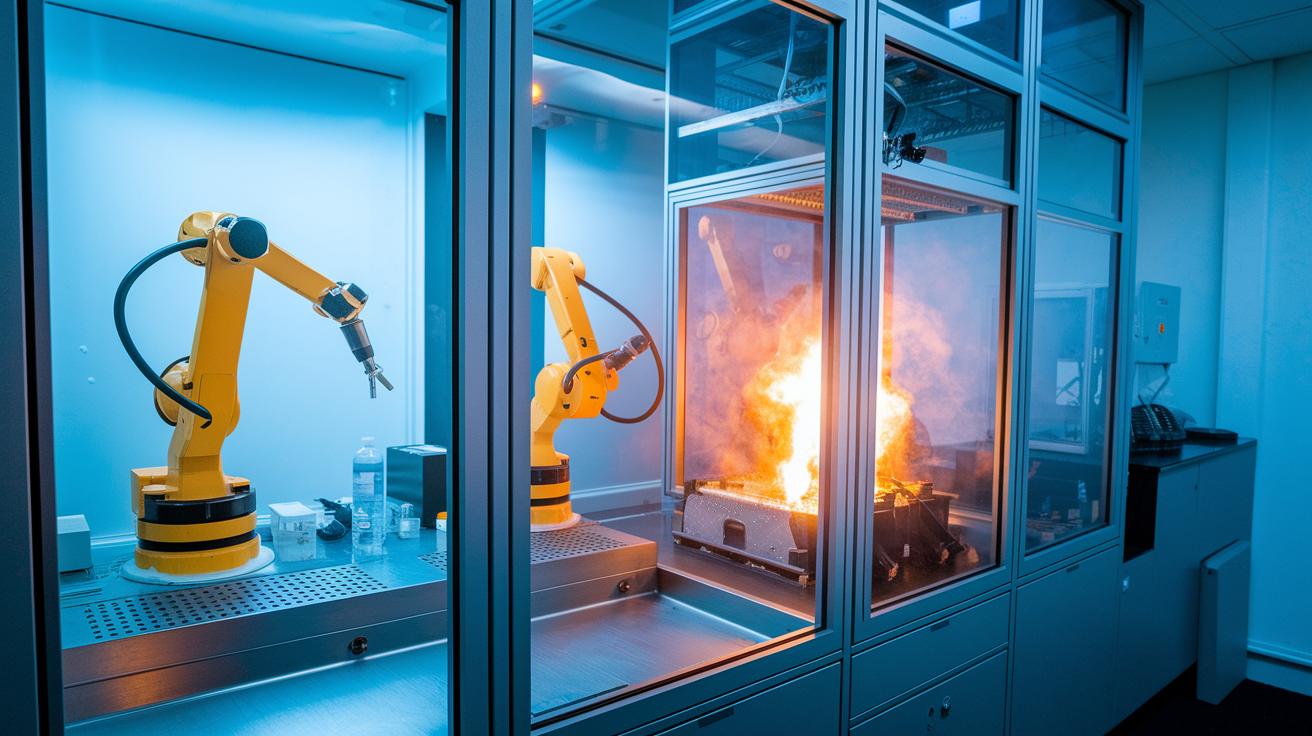
Modern forensic labs are now using smart automation and robotics to analyze evidence in ways we could only dream of before. Tools like PCR workstations, cyanoacrylate fuming chambers, and other advanced gadgets do tasks that once took hours by hand. These clever systems cut down on mistakes, speeding up analysis and making sure every sample is handled with spot-on precision.
Imagine a PCR workstation working like a fine-tuned copier that amplifies DNA or RNA (the building blocks of genetic material). Meanwhile, cyanoacrylate chambers help reveal hidden fingerprints on surfaces that were once a real challenge to examine. This mix of robotics and automation transforms a crime lab into a high-performance center where even the tiniest clue gets the attention it deserves.
| Tool | Function | Key Benefit |
|---|---|---|
| PCR Workstation | Duplicates DNA/RNA while keeping it clean from contaminants | Trustworthy genetic replication |
| Cyanoacrylate Chamber | Reveals hidden fingerprints on smooth, non-porous surfaces | Clearer and more detailed prints |
| NGS Platform | Provides whole-genome or targeted DNA sequencing | Deep genetic insights |
| NGI System | Merges palm prints, facial recognition, and iris scans for complete ID | Thorough biometric identification |
| FBCV | Delivers statistical bullet matching | Objective ballistic analysis |
| IBIS | Uses 3D imaging for comparing firearm and tool marks | Quick and accurate matching |
These innovative tools really boost both accuracy and efficiency in forensic investigations. With these devices working together, technicians can handle several samples at once without losing precision. Automation cuts down on manual errors and gives experts more time to dive into deep analysis and make critical decisions. It's like running a smooth, perfectly balanced assembly line, where every tool has its special role in making sure every piece of evidence meets high-quality standards. This streamlined approach speeds up case resolutions and strengthens the trust in forensic results.
Digital Evidence Tools and Automated Crime Scene Analysis

Today, smart tech and on-the-spot analysis are changing the way detectives gather digital clues. Using automation (letting machines do repetitive jobs), modern crime scene work blends in advanced devices that quickly collect, check, and secure data from both old and new sources. These tools speed up the work and help keep the evidence unspoiled, so every case gets a boost in trust and accuracy.
| Tool | What It Does |
|---|---|
| LA-ICP-MS | Analyzes glass at the smallest (atomic) level |
| Alternate Light Photography | Quickly spots fingerprints and traces of bodily fluids |
| High-Speed Ballistics Photography | Helps recreate the path (trajectory) of bullets |
| Video Spectral Comparator 2000 | Exposes hidden writing on surfaces |
| Digital Surveillance XFT Device | Extracts valuable data from gaming consoles |
| Social Network Forensics | Examines data from billions of active users |
| Log-Based Evidence Analysis | Uses siem cyber security to dive deep into device logs |
All these digital tools work together to make sure nothing important is missed. Automation cuts down on human mistakes and speeds up the journey from collecting evidence to presenting it in court. In short, this smart system builds trust with digital evidence and leads to breakthrough results in solving crimes.
Advanced Digital Forensics Methods in Modern Investigations

Today, digital forensics mixes clever computer programs and modern lab tricks to clear up tricky cases. By using tools like AI (artificial intelligence, a system that learns to recognize images and patterns) and advanced biological profiling techniques, experts can zoom through heaps of data and tiny clues with ease. These methods help rebuild crime scenes, from checking a drone’s memory card to processing data stored far away using blockchain-secured cloud forensics, and they also boost cyber crime investigations and digital evidence recovery. It’s a whole new way to go from the scene of a crime right into the courtroom.
Artificial Intelligence in Digital Forensics
AI is now a big part of sorting out digital evidence. It quickly scans through photos, fingerprints, and video clips to pick up details that the human eye might miss. Imagine an algorithm that looks at hundreds of pictures and spots a unique mark on a suspect's jacket. This kind of smart pattern spotting speeds up the process and helps make sure no little clue gets overlooked. It’s a bit like having a detective who never sleeps and gets sharper with every case.
Omics Techniques for Biological Evidence
Omics techniques, like genomics, proteomics, and even microbiome analysis, offer a clear view of biological samples. Think of these methods like a super zoom lens that examines the tiniest pieces of evidence, such as a single hair or a drop of fluid. By comparing protein patterns and DNA sequences, investigators can highlight personal details and even guess things like age or health. This detailed approach not only confirms who is who, but also adds a fresh perspective to piecing together a case.
Forensic Technology Sparks Crime Breakthroughs
Forensic tech is shaking up how we solve old cases, turning forgotten mysteries into clear, solved puzzles. With a fresh look and modern tools, experts are reexamining evidence like never before, even when traditional methods hit a dead end.
Take, for example, the OSBI Cold Case Update (News3 v1.0.0, Oct 4, 2025). Here, smart biometric ID mixed with Next-Generation Sequencing (a high-tech way to read DNA) uncovered tiny yet crucial genetic clues in a case decades in the making. Detectives carefully isolated these little traces, which eventually pointed them to a suspect hidden in the shadows all along.
Then there was a high-profile missing persons case where DNA phenotyping was used to predict a suspect's physical traits based on genetic markers. Imagine getting a face from a strand of DNA, it’s almost like piecing together a puzzle from scratch. This creative approach helped steer the investigation in a new direction, ensuring that even the smallest details built a strong, clear profile.
These examples show that modern forensic techniques aren’t just refreshing old practices, they’re completely rewriting the rulebook on crime solving. By combining scientific precision with smart digital tools, forensic technology is sparking breakthroughs that change the game in investigations and courtrooms alike.
Integration of AI and Machine Learning in Forensic Technology

AI and machine learning are shaking up forensic work in a big way. These tools now help match fingerprints with more than 95% accuracy, meaning even the tiniest smudge can point quickly to a suspect. They also use photographs to rebuild crime scenes, almost like solving a puzzle by putting the pieces together. This fresh look at evidence helps cut down on human mistakes and lets investigators zero in on important clues.
On another front, machine learning is changing how we handle digital data. For example, these smart algorithms scan billions of social media interactions (think of it as a giant digital playground) and spot patterns that just don't fit in. With this kind of automation, experts can see trends and connections much faster, paving the way for breakthroughs in investigations. In short, these advances streamline work and boost the trustworthiness of forensic analysis, even when the pace is fast and the stakes are high.
Career Paths and Education in Forensic Technology
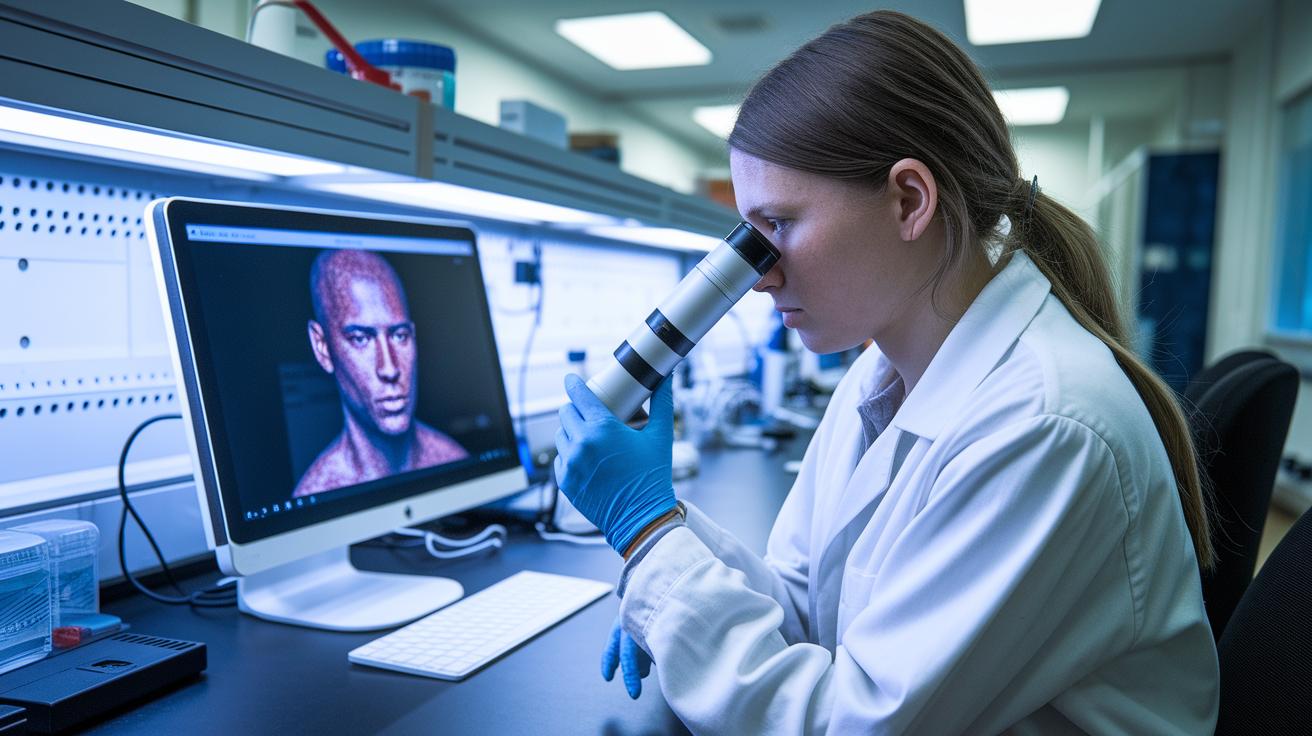
Stepping into forensic technology is like opening a door to a world where science meets detective work to solve intriguing puzzles. This field is rich with different roles, from decoding digital clues to handling physical evidence. Some paths, like 3D Forensic Facial Reconstruction, need higher college degrees in forensic science (the study of uncovering evidence) or similar areas, while others value the hands-on experience provided by tools like the Foldscope portable microscope during field training.
You can choose a clear educational path, earn specialized certifications, and look forward to salaries that reward careful work and expertise. It’s a field where smart learning meets real-world investigation.
| Role | Education Required | Median Salary |
|---|---|---|
| Forensic Lab Technician | Associate Degree or Certification | $50,000 |
| Digital Forensic Analyst | Bachelor’s Degree in Digital Forensics or Related Field | $65,000 |
| Crime Scene Investigator | Bachelor’s Degree in Forensic Science or Criminal Justice | $55,000 |
| Forensic DNA Analyst | Bachelor’s Degree in Biology, Chemistry, or Forensic Science | $68,000 |
Strong training programs and focused certification courses get you ready to face both the technical and thinking challenges in forensic technology. These career tracks require a mix of solid knowledge and hands-on training, and they reward you for learning continuously as technology changes. With clear steps and realistic salary goals, newcomers can navigate this evolving field with confidence, making a real difference in evidence science.
Future Trends and Innovations in Forensic Technology

New breakthrough tools are reshaping forensic analysis. For example, blockchain-based solutions (a secure system that records transactions) and cloud forensics (examining data stored online) help investigators work with data stored remotely. These tools let experts securely look at huge amounts of digital evidence, keeping it safe and easy to track, even when it's stored in bits and pieces. It’s a bit like having a strong digital backbone that supports quick investigations across different regions.
Drone forensics and portable devices that capture evidence are also changing the game in field work. Imagine having a tool that can collect clues right where they happen. At the same time, virtual and augmented reality are letting experts recreate crime scenes in 3D, so they can explore an area without actually going back there. This fresh approach helps teams piece together events in a new way, offering insights that might just make all the difference in solving a case.
Final Words
In the action, we explored forensic technology’s evolution, from hands-on lab tools to digital evidence and AI smarts in investigations. We saw how modern tools and career insights create a secure, high-performance pathway for justice. The blend of historical techniques and emerging digital methods shows that innovation isn’t just a buzzword, it’s a commitment to precise, efficient investigations. Every step brings us closer to a smarter, safer digital future, proving that progress in forensic technology lights the way forward.
FAQ
Frequently Asked Questions
What is forensic technology?
The forensic technology definition is a field that uses science methods like DNA and fingerprint analysis to examine evidence, helping resolve cases and support fair judicial outcomes.
What do forensic technologists do and what jobs are available?
The forensic technologists role involves analyzing crime scene evidence using advanced lab tools and digital methods, with job opportunities ranging from lab technicians to digital forensic analysts.
What is the forensic technology salary?
The forensic technology salary depends on experience and specific roles, with competitive wages reflecting the advanced skills required for detailed evidence analysis in securing justice.
What education options exist for forensic technology, including colleges, courses, and degrees?
The forensic technology education pathway offers specialized courses, degree programs, and certifications at accredited colleges, providing hands-on training in digital evidence, lab techniques, and crime scene investigation.
What are some examples of forensic technology techniques and tools?
The forensic technology examples include fingerprint analysis, DNA sequencing, digital evidence capture, and innovative lab equipment that all help improve case accuracy and justice in court.
How long does it take to become a forensic technologist and what is a forensic technology degree?
The forensic technology degree typically takes about four years to complete for a bachelor’s program, with additional on-the-job training and certifications needed to become proficient in forensic analysis.
How is Deloitte involved in forensic technology?
The forensic technology services at Deloitte use advanced digital tools and investigative methods, providing expert risk management and thorough evidence analysis to uncover critical details in complex cases.
What new technology is emerging in forensic science?
The new technology in forensic science includes AI-powered analysis, robotics, and enhanced digital tools that speed up evidence collection and improve accuracy, making investigations more efficient.
What forensic techniques are used in criminal investigations?
The forensic techniques in criminal investigations involve comprehensive DNA, fingerprint, and digital evidence analyses that help identify suspects and build reliable cases for judicial proceedings.