

Ever think about how your digital life feels like it's protected by a strong fortress? Your personal info acts as the key to a secure future. Now that more of our lives are online, even simple details like your name or address become really important. Imagine being clear on what’s private about you, then guarding it carefully at every step.
This hands-on approach not only locks down your personal data but also builds trust in a tech-filled world. Ready to explore the simple, key steps that help keep your data safe and your future secure?
Essential Principles of Personal Information Protection

Getting clear on what counts as personal information is the first step to keeping data safe. In laws like US Federal law, GDPR, CCPA/CPRA, CalOPPA, Virginia CDPA, and others around the world, personal information means lots of things. It can be as simple as your name or address, a number like your Social Security number or driver’s license, or even technical details such as your IP address (a unique number that helps identify your device online). Knowing these basics helps companies protect your valuable data.
This clear understanding also helps businesses earn your trust and follow rules set by laws like PIPEDA or the Australian Privacy Principles, and even new US state laws. Think of it like agreeing on the rules for a safe conversation. When everyone knows what is private and what isn’t, things work much smoother. Confusing these details can leave doors open for mistakes and weak security.
Different types of data, like personal data, PII (personally identifiable information, which means details that can link back to you), and sensitive personal information, all need special care. While basic info and ID numbers confirm who you are, tech IDs can help track online activity, and extra-sensitive information like health details or biometric data needs extra protection. Breaking down data into these groups helps ensure that each bit gets the right level of care.
personal information protection powers your secure future
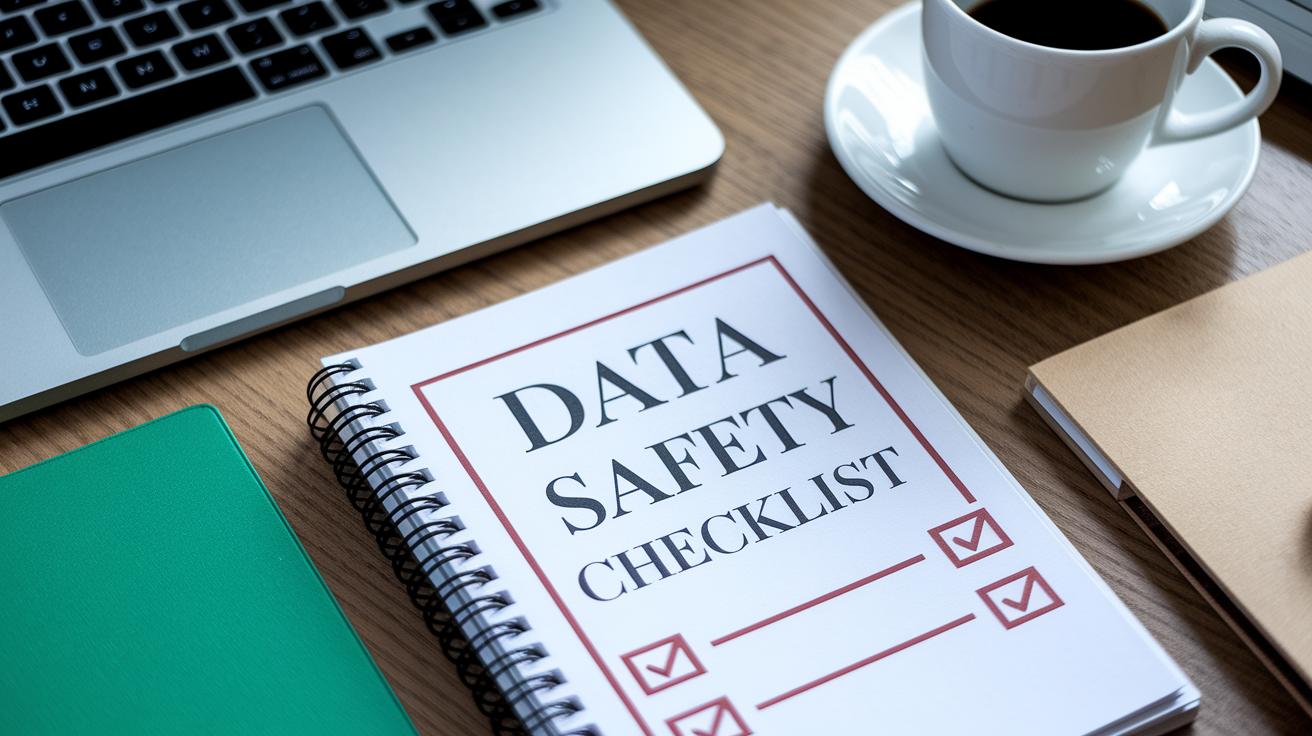
Today, keeping your personal info safe is more important than ever. It’s about taking simple, smart steps to guard your details and keep your systems running smoothly. First off, know what digital information you have, that way, you can protect what matters most.
Here are seven must-do practices:
- Inventory & Classification: Search for all your data and sort it so you know exactly what needs protection.
- Minimization: Only gather and keep the data you really need.
- Backups: Save copies of your important info both on your device and at another secure place.
- Snapshots: Use system snapshots for a quick fix if something goes wrong.
- Redundancy: Set up storage systems that fix errors on their own to keep your data available.
- Access Controls: Limit access so only trusted people can see sensitive data.
- MFA: Use multi-factor authentication (an extra phone or code step) to add a strong security layer.
When these steps work together, you create a strong system where data is easy to find, protect, and recover. This smart, layered approach not only lowers the risk of data loss but also helps block cyber threats quickly. By keeping extra data exposure to a minimum and using multiple layers of defense, organizations can protect their system’s health and ensure your privacy, paving the way for a secure digital future.
Regulatory Compliance in Personal Information Protection

Legal rules form the backbone of how we protect data. Companies must follow a maze of global laws to ensure that personal information is handled with care. It’s not just about ticking boxes, it shapes how data is managed, how open processes are, and how trust is built with consumers.
Take the EU’s GDPR for example. This rule gives clear rights to individuals and sets strict limits for reporting data breaches, emphasizing the need for clear consent (letting someone know and agree) and accountability. In the US, California leads with laws like the CCPA, which began on January 1, 2020, and its updated version, the CPRA, starting January 1, 2023. These laws deal with similar issues as the GDPR but come with their own unique ways of enforcing the rules. Other US laws, such as CalOPPA (from March 1, 2005), Virginia’s CDPA (as of January 1, 2023), Colorado’s CPA (from July 1, 2023), and CTDPA (also from July 1, 2023), add extra layers of protection with different fines and consent requirements. In Canada, PIPEDA (introduced in 2000) continues to be a key regulation, while Australia’s Privacy Principles of 2014 guide local data practices. And if you visit a government website with a .gov address and see an HTTPS padlock, it’s a sign the site is built to protect sensitive information.
All these standards show why it’s important to match our tech solutions with the law. Ignoring these rules can lead to heavy fines and damage a company’s reputation. So, staying on top of compliance isn’t just a legal duty, it’s a crucial part of keeping our digital world secure and trusted.
Technological Measures for Personal Information Protection
Encryption and authentication are the backbone of keeping your digital info safe. Think of fast at-rest encryption (often called symmetric encryption) as a quick scramble for your stored data, while another method (asymmetric encryption) helps share secret keys and create digital signatures that assure your info hasn't been tampered with. End-to-end encryption makes sure your messages stay private from the moment they leave until they arrive. Pairing this with multi-factor authentication, an extra check to stop unwanted access, really amps up the protection. Plus, using strict models like Zero Trust Security means every try to open your data gets a careful look.
Our network defenses and cloud solutions add even more security. Firewalls, along with systems that detect and block intruders, keep a close eye on the data going in and out so nothing suspicious slips through. Application controls further limit actions to only trusted ones within the system. For instance, cloud storage options like Cloudian HyperStore can handle huge amounts of data, boasting petabyte-scale backup power and transferring up to 18 TB per hour using a 16-node cluster. And with biometric checks that use your unique physical traits, there’s another layer of security when accessing sensitive areas. All these measures together build a strong, multi-layered shield to keep personal information safe in today’s connected world.
Organizational Strategies for Personal Information Protection: Risk Assessment and Incident Response

We know that solid oversight is key to keeping personal info safe. When companies set clear rules and assign responsibilities, it helps everyone work together for a secure future. Leaders can set boundaries and guide the team to avoid problems before they even start.
To catch issues early, firms take a close look at all their data. They check, sort, and map out the information to find any weak spots. By using simple tools like real-time alerts and data loss prevention measures (rules that help stop data from leaking), they fix problems fast and build a safer system.
Planning for the unexpected is just as important. Companies often run drills, like annual tests, to see if their backup plans really work. They copy data to different places so that if one site has trouble, your info remains safe and available.
When a breach happens, having a clear plan makes all the difference. Firms keep playbooks that outline exactly who does what when a problem occurs. They run regular practice sessions so every team member is ready for unexpected challenges. By learning from past experiences and updating their plans, they stay one step ahead of new threats while keeping personal info secure.
User Guidelines for Personal Information Protection: Secure Sharing and Online Privacy
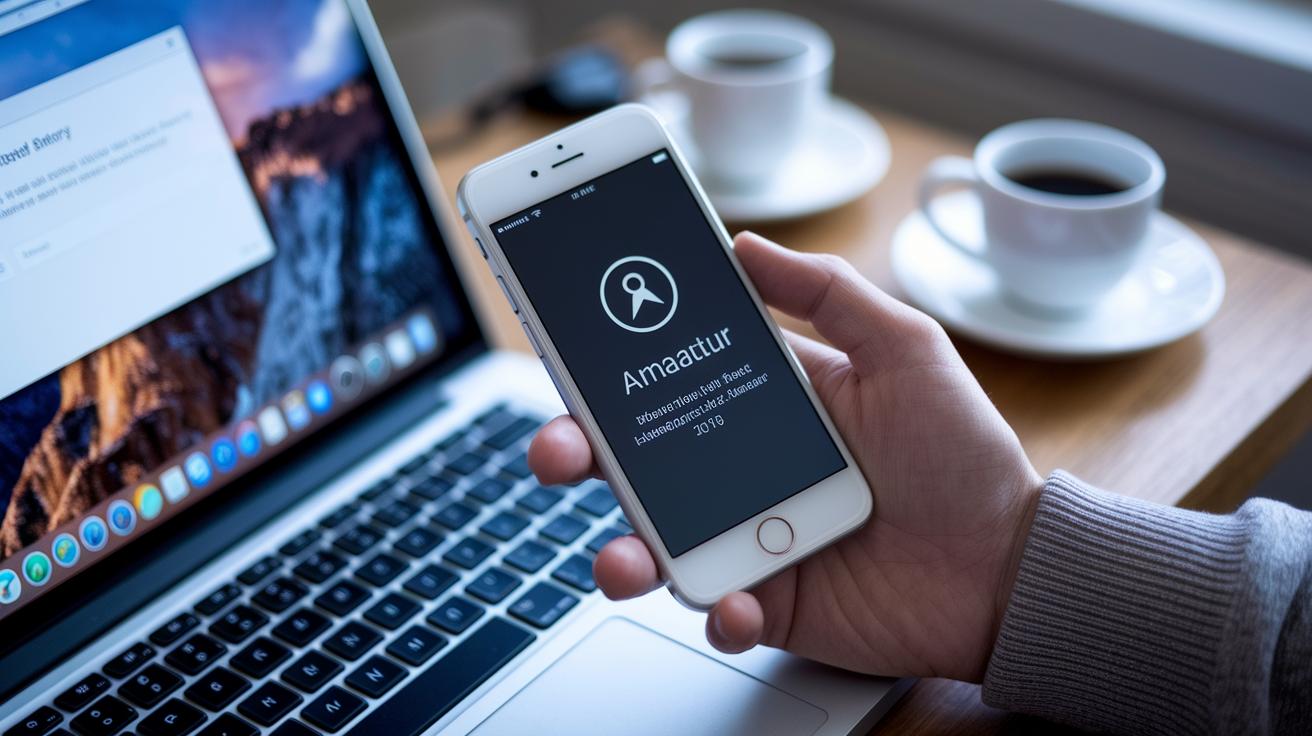
Let’s start by boosting your login security with some solid measures. Pick passwords that are tough to crack, think at least 12 characters using letters, numbers, and symbols, so your digital keys stay unique and hard to guess. Turn on two-factor authentication (like getting codes on your phone or using an app) to add an extra layer of protection, just like double-locking your door. And don’t forget to check privacy policies from time to time to know how your info is handled, giving you the peace of mind that your account stays safe from unwanted eyes.
When you’re sharing data online or using social platforms, be extra careful with your personal details. Manage your cookies in your settings and opt out of sharing parts that seem too personal. Always double-check for the padlock icon or the "https://" at the start of a site before entering your info so you know it’s secure. It’s also a smart move to review your app and social media privacy settings regularly, making sure they stick with the latest tips for online protection. For more guidance, take a look at tips on How To Protect My Data.
Final Words
In the action, we explored essential principles from defining personal data to the advanced authentication tools that keep your info safe. We dug into privacy practices, robust legal frameworks, and user tips for secure sharing, each piece aimed at building a resilient digital environment.
Every measure works together to boost security and streamline processes. Embrace these digital solutions with confidence as you step forward on a path of strong personal information protection and innovation.
FAQ
What is a personal information protection law and what does it cover?
The personal information protection law sets rules to keep your private data safe in various settings, including work and online. It ensures companies follow strict guidelines to handle your sensitive information securely.
What qualifies as personally identifiable information (PII)?
Personally identifiable information includes details like your name, address, and identification numbers, along with technical IDs that can link back to you, clearly defining the data that needs protection.
How is personal information protected online and on social media?
Protecting personal information online means using strong passwords, two-factor authentication, and careful privacy settings on social media platforms, which arms you with simple yet effective security measures.
What are 10 ways to protect your personal data?
Ten ways to protect your personal data include minimizing sharing sensitive details, using secure passwords, enabling extra authentication, and reviewing privacy settings regularly, each step designed to boost your online safety.
How is personal information protected in the workplace?
In the workplace, personal information is shielded through strict access controls and clear confidentiality protocols, ensuring that your private data is handled with care and kept out of unauthorized hands.
What is an example of information protection?
An example of information protection is encrypting data, which means converting it into a secure format so that even if intercepted, your sensitive data remains unreadable and safe from cyber threats.
What is the personal information protection law in the United States?
The US law for protecting personal information outlines how businesses must safely store and manage private data, emphasizing accountability and strong safeguards to prevent breaches and misuse.