

Ever wonder what it might be like if machines could chat with each other? Advanced integration technology is making that happen by linking smart controls and robotics so everything works together smoothly.
Imagine a team where every part knows exactly when to step in. Each machine plays its role, working like a well-rehearsed group. This mix of easy-to-use automation and modern connectivity not only ups efficiency but also sparks cool new ideas.
In truth, this technology helps industries turn tricky problems into fresh chances for growth. Isn't it amazing how a little smart collaboration can change the game?
Core Principles of Advanced Integration Technology
Advanced integration technology sits at the core of modern plant-floor systems. It combines robotics (automated machines) and intelligent systems (smart controls) with custom tools to build fully connected solutions. Imagine this: a simple tap sets off a flurry of robotic arms that put together complex aerospace parts like fuselages, wings, and empennage. It's a clear mix of precision and creative engineering that keeps the aerospace industry moving forward.
AIT’s method is all about unifying different systems across large production floors. This approach not only makes automated assembly work better but also opens the door to next-gen connectivity that joins remote designs with on-site projects. In truth, this kind of integration makes it easier for companies to shift smoothly into advanced cloud-based operations where all data and processes work together in one place.
Think about a small tweak in a robot’s programming that instantly syncs with several other systems at the same time. This vivid example shows just how much integration can boost efficiency. Thanks to this synergy, AIT has become a trusted lead contractor, installing hundreds of systems around the world and proving that advanced integration technology really meets the challenging needs of today’s businesses.
Technical Architecture Patterns in Advanced Integration Technology

Microservices and Middleware Integration
At AIT, our system relies on small, independent services working closely with middleware to keep everything running smoothly. Think of API-led connectivity (basically, how programs chat with each other) and event-driven systems (tech that reacts right away when something changes) as the backbone that holds our digital network together. Imagine a busy factory where every system jumps in immediately when needed, just like a team that quickly responds to a call for help. This friendly coordination makes sure all systems, from automated assembly parts to positioning tools, work perfectly together.
Automated Tooling Orchestration
Our automated tooling orchestration turns complex workflows into a well-rehearsed routine. Picture it like a conductor leading an orchestra, where every section comes in at the perfect time. AIT uses coordinated processes to handle tasks from friction stir welding to drilling and alignment. This precise timing makes the shift between tasks seamless, ensuring the whole operation runs efficiently and without a hitch.
Intelligent System Configuration Management
When you manage systems across hundreds of global sites, keeping them all in sync is crucial. Our intelligent system configuration management works like a trusted blueprint that every location follows. It ensures that updates and changes roll out evenly, kind of like a smooth software update that avoids any bumps along the way. This approach saves time, cuts down on errors, and keeps our integration technology performing at its best.
Business Benefits and ROI of Advanced Integration Technology
Advanced integration technology helps businesses reshape how they work by merging automated tasks with custom tools made in-house. This approach uses ready-made solutions that lower expenses, cut risks, and get projects done even when time is short. Automating jobs like assembly, alignment, and drilling boosts manufacturing flow and overall performance. In short, working with this tech sets you up for a clear return on investment.
- Cost savings through custom in-house tools and automation
- Lower risks with design-built, ready-to-go systems
- Better efficiency with faster cycles and little need for extra setup
- Easy scaling by repeating proven systems in different places
- Flexibility to handle tight deadlines and changing specs
Taking on advanced integration technology is a move toward a smoother, automated future. Companies not only save money but also adjust quickly to meet market shifts. This smart shift in automating processes means every part, from custom gear to in-house builds, joins together to boost performance and keep you a step ahead of the competition.
Industry Use Cases for Advanced Integration Technology

Advanced integration technology is changing how industries work by merging robots, smart controls, and custom tools into one smooth system. Think of it like watching a quick dance where machines work together perfectly. These systems tie together automated processes with careful controls, making both remote and on-site teamwork easier.
In aerospace, these integrated systems really stand out. For example, the Boeing 787 Final Assembly uses automated systems that cut production time by 30%, a big win for efficiency. And the Northrop Grumman E-2C project shows off laser indexing and drilling that delivers accuracy to within plus or minus 0.1 mm, which is crucial for safety and top performance in defense. Then there’s the Rocket Layup Mandrel, which saves up to 25% in costs by using resources smarter in space projects.
All these examples prove that industrial work is becoming more nimble and reliable. They show us how blending digital controls with physical automation creates a seamless link from planning to real-world production. It’s like watching a well-coordinated team that makes even the toughest jobs easier.
| Use Case | Industry | Key Technology | Outcome |
|---|---|---|---|
| 787 Final Assembly | Aerospace | Automated Assembly Systems | 30% cycle-time reduction |
| E-2C Wing Ribbing | Defense | Laser Indexing & Drilling | ±0.1 mm precision |
| Rocket Layup Mandrel | Space | Custom Mandrel Tooling | 25% cost savings |
Advanced Integration vs. Legacy Systems
Old systems used to rely on manual jigs and riveting, with every step done by hand. It was a lot like putting together a puzzle without a picture, slow, uneven, and messy. Workers ended up repeating tasks, which meant that quality could change from one run to the next. Scaling up production was tough because each piece needed special care and perfect alignment.
Now, modern integration changes the game with tech that streamlines each step. Using techniques like friction stir welding (a method that joins metals without melting them) and robotics-driven alignment (robots ensuring parts fit perfectly) leads to smoother, more consistent work. Imagine swapping a long, labor-intensive process for a smart, automated system that cuts processing time by up to 40%. It’s like upgrading from a clunky old phone to a sleek smartphone, everything works together in harmony.
Modernizing old assembly methods means companies can work faster, achieve more consistent results, and enjoy greater flexibility. Moving from manual assembly to automation not only boosts performance but also meets the high quality standards that today’s manufacturing demands.
Case Study: AIT's Aerospace Assembly Systems
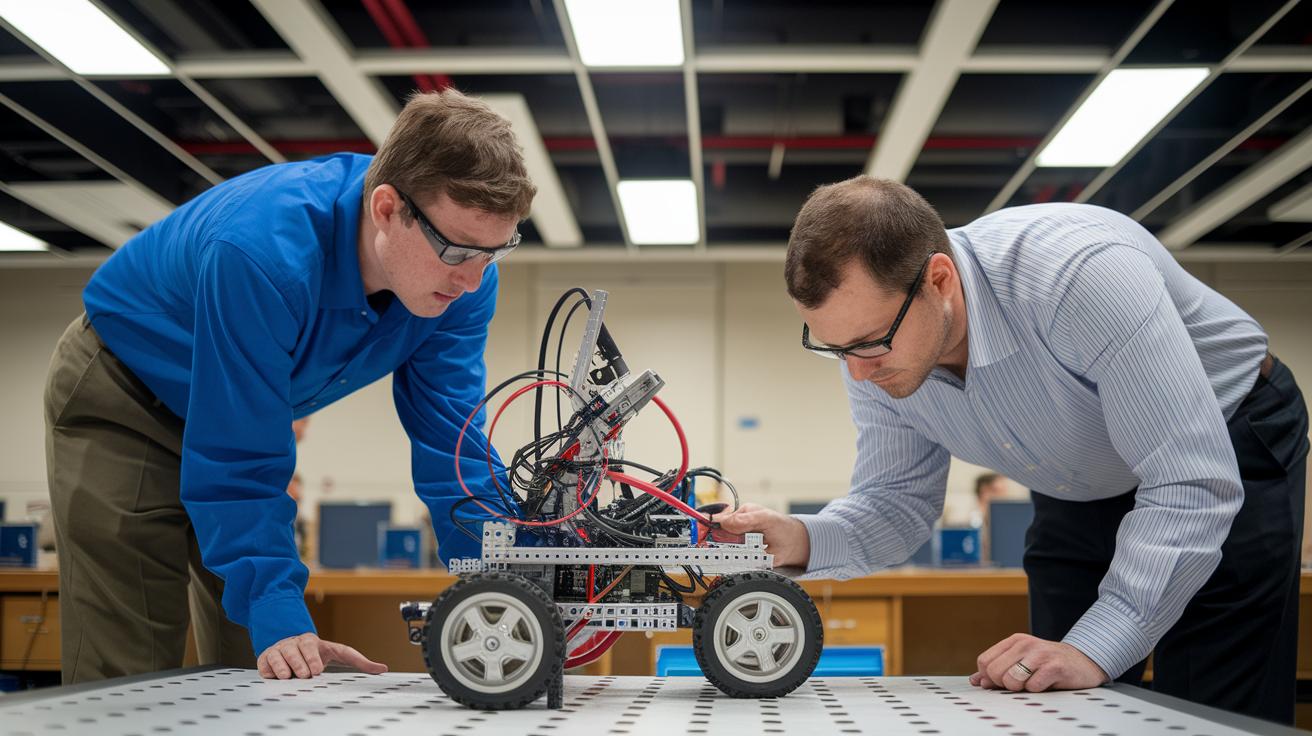
AIT has been a trusted leader in major aerospace projects, designing, engineering, and installing numerous integrated systems around the world. They worked on standout projects like the 787 Final Assembly System, Automated Part-to-Part Assembly, the Circumferential Driller, and the innovative ROCKET LAYUP MANDREL. Each project shows how smart technology brings together different robots and intelligent systems to create efficient and precise manufacturing.
Working from their headquarters in Plano, Texas, AIT mixes remote design work with on-site integration. This means engineers can work together smoothly, no matter where they are, ensuring every assembly step is planned and executed perfectly. It’s like having a digital command center that keeps every machine and sensor in sync. Ever think of it as a team of specialists tapping into the same data stream to solve a complex puzzle?
Their approach to connecting enterprise systems is simple and focused on real results. For example, the 787 Final Assembly project not only trimmed down production times but also improved quality control. Similarly, the Automated Part-to-Part Assembly system makes operations smoother by reducing manual steps, which cuts risks and boosts performance. These projects have sparked lessons that drive constant upgrades, proving that advanced integration isn’t just about making things run, it’s about changing the industry for the better.
Want to dive deeper? Learn more about integrated systems solutions, a resource packed with best practices and insights for modern enterprise upgrades.
Best Practices and Security Considerations for Advanced Integration Technology
Advanced integration technology calls for strong security that keeps every part safe. Think of robotics and smart systems needing secure paths, where certificate management (digital IDs that confirm each device is genuine) plays a big role. Imagine a network that works like a well-guarded building, where every door gets a special key so only trusted users can get in.
When you work both remotely and on-site, like at our Plano offices, you need encrypted links and solid access controls. These work much like a double-lock on your front door, adding that extra layer of safety. And when it comes to securing APIs (methods for software to talk with each other), every exchange is kept safe, just like you’d want it.
Sticking to strict aerospace and defense data rules makes our security even tougher. This means following clear guidelines that protect every bit of data moving through our systems. By doing so, we cut down on risky connections and build smart, dependable integration that businesses can trust.
Future Innovations in Advanced Integration Technology
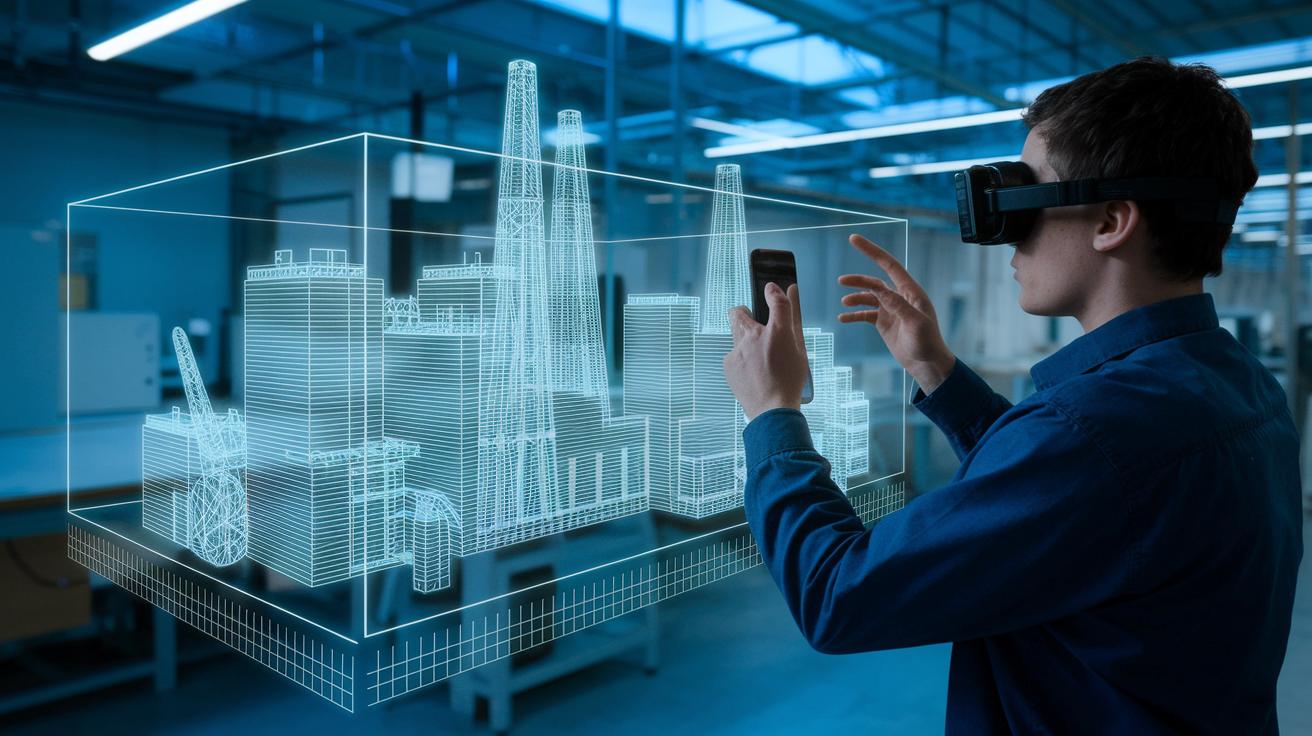
Looking ahead, integration technology is on an exciting journey with breakthroughs like AI-enhanced connectivity, digital twins, and edge computing (that is, processing data close to where it’s created). Imagine a digital twin as a live, virtual copy of a real system that helps engineers test and tweak processes in real time. For example, the ROCKET LAYUP MANDREL project uses these digital models to forecast performance before any physical build even starts.
Today, blending traditional tools with modern sensors is becoming the norm. By linking IIoT sensors (tiny devices that gather data from machines) with smart AI systems, companies are changing the way they predict maintenance needs and boost process efficiency. It’s a bit like your car letting you know when it’s time for an oil change.
Meanwhile, cloud and edge computing are coming together to change how we manage data. Cloud computing offers huge storage and mighty analytic power, while edge computing handles data processing right where it’s made, cutting down delays and adding an extra layer of security. Picture remote devices and on-site tools working in perfect sync, so data doesn’t have to travel far to be useful.
Looking to the future, businesses are set to rely on digital frameworks that adjust in real time. This kind of adaptive digital evolution keeps innovation flying fast, helping companies seize new breakthroughs for better agility and smoother operations.
Final Words
in the action, we explored how advanced integration technology unifies robotics, intelligent systems, and custom tooling to drive next-gen connectivity and digital transformation. We broke down technical architectures and highlighted business benefits like cost reduction, efficiency gains, and scalability. Our discussion covered real-world use cases and security best practices that ensure safe and smooth online operations. Every insight shows how modern digital frameworks can streamline processes while powering business growth. Embrace these innovations and look forward to a more secure, efficient, and dynamic future.
FAQ
Q: Who is the CEO of Advanced Integration Technology?
A: The CEO of Advanced Integration Technology is the top executive guiding the company’s strategy and operations. For the most current name and details, check the official press releases or company website.
Q: What is AIT technology?
A: AIT technology refers to fully integrated plant-floor systems and custom tooling used for automating aerospace assembly, combining robotics and intelligent systems to boost efficiency and precision.
Q: Who owns Advanced Integration Technology?
A: Ownership of Advanced Integration Technology is managed under Advanced Integration Technology LP. For further details on ownership, it’s best to refer to the company’s official disclosures.
Q: What are careers in Advanced Integration Technology like?
A: Careers in Advanced Integration Technology focus on innovative roles in design, engineering, manufacturing, and system integration, offering opportunities to work with cutting-edge automation and robotics in aerospace sectors.
Q: What is the Advanced Integration Technology stock price?
A: The Advanced Integration Technology stock price is tracked on financial platforms and market data sources. Check trusted financial websites for real-time pricing and performance information.
Q: What do reviews say about Advanced Integration Technology?
A: Reviews of Advanced Integration Technology praise its innovative solutions, effective integration of robotics, and robust performance in automated aerospace assembly, highlighting a strong reputation for modern industrial practices.
Q: Where is the address for Advanced Integration Technology?
A: The company’s headquarters is located in Plano, Texas. For the precise address and additional location details, refer to the official company website.
Q: How much does Denali Advanced Integration pay?
A: Denali Advanced Integration’s pay varies by role and experience level. For up-to-date salary details, consult current job postings or reliable salary data resources.
Q: What is Advanced Integration Technology Onex?
A: Advanced Integration Technology Onex likely refers to a specific business segment or product initiative within the company. For detailed insights, review the company’s official communications or related press releases.