

Ever wonder if what you see is really all there is? Augmented reality (tech that adds digital images to what you experience) is mixing our real world with digital touches to create something entirely new.
Imagine strolling through a museum where extra details pop up right before your eyes, or using your phone to see how a new chair fits in your living room. It makes everyday moments feel like small adventures that both entertain and inform.
In this post, we take a closer look at how AR works and why it's so cool. Ever notice how a simple tap on your screen can open up a whole new layer of information? That's the power of augmented reality, transforming ordinary experiences into something fresh and exciting.
Understanding Augmented Reality Technology: Definition and Fundamentals

Augmented reality adds digital items like pictures, videos, and even 3D models to the real world. It mixes what you see every day with extra data to help you learn more and interact in fun ways. Picture visiting a museum where a friendly guide pops up next to an exhibit, or using an app that shows how a new chair might look in your living room!
AR works on everyday devices like smartphones, tablets, smart glasses, and special headsets. These gadgets have cameras, accelerometers (which sense movement), and gyroscopes (which check direction). For example, smart glasses let you see extra details without holding anything, like a pilot’s heads-up display. Imagine pointing your phone at a menu and suddenly seeing dish details, reviews, and even nutritional info!
AR is all about keeping things simple and fun. With new tech improvements, devices are getting better at catching movements and showing clear images. Whether you’re shopping or learning, AR turns ordinary experiences into something interactive and engaging. It makes complex data feel almost like magic, drawing you into a live digital world where real and virtual blend together.
How Augmented Reality Technology Works: System Components and Software

At the heart of augmented reality, strong hardware components build the system like the backbone of your digital experience. Think of processors as the engine powering sharp displays, cameras, and motion sensors that capture every detail around you. And interaction feels natural, whether you tap a screen, speak a command, or use a simple gesture. Ever notice how a quick smartphone swipe triggers a cool digital overlay? That’s interactive visual computing, where digital content blends neatly with your surroundings.
Software plays an equally key role. For example, image registration makes sure digital items line up perfectly with what you see in the real world. Meanwhile, 3D rendering engines (which create three-dimensional images) bring virtual objects to life with clear detail. Scene interpretation technology teams up with the user interface, ensuring the digital display feels like a natural conversation. Picture a digital repair manual that not only shows you how to fix something but also highlights the components in real time, this magic happens through computer vision enhancements (tools that help computers understand images) working at high accuracy.
Tracking algorithms bring another smart twist by spotting markers, specific images or shapes used to anchor virtual objects. Sometimes, though, the system relies on non-marker methods that use the surrounding data to set the object’s place. These techniques boost computer vision to better recognize objects and surfaces.
Finally, real-time environment mapping ties all these parts together by constantly adjusting digital overlays to match live camera feeds. Imagine a digital map that refreshes as you move through a building, everything merges to create a seamless augmented reality experience.
Augmented Reality Technology Sparks Exciting Industry Transformation

Augmented reality is changing fields like architecture, interior design, healthcare, and industrial training. It adds digital layers that help people see details right before their eyes. Imagine a building inspection where a virtual overlay points out weak spots so architects and engineers can fix them quickly. This smart tech makes decisions easier and boosts overall productivity.
In stores, the digital experience takes on a whole new look. Customers can try on clothes virtually or see how furniture fits in their own homes with just a phone scan. Point your phone at a room, and suddenly a bright, interactive display of decor ideas appears. It’s a fun and engaging way to shop that also helps drive sales.
Even healthcare feels the difference. Augmented reality brings clearer visuals that help with diagnoses and patient education. Surgeons can practice complex procedures using accurate 3D models before the actual surgery. Picture a doctor examining a virtual model of a patient’s anatomy to feel more confident about a tricky operation.
Industries benefit too. Some AR systems get up and running in less than 30 minutes and offer hands-on training by simulating real tasks. Workers can practice repairs or maintenance in a virtual environment before handling real equipment. For instance, an oil platform might use AR for safe fire drills without any actual risk.
Remote support has also improved with AR. Field technicians can connect with experts in real time using live annotations, whether they are fixing machines in an industrial setting or solving tech issues in a store. This quick, visual help makes collaboration easier and speeds up problem-solving.
Advances in Wearable Augmented Reality Technology

Wearable AR tech is moving fast with lots of cool updates. Devices like Meta Quest 3/Pro and Apple Vision Pro show how smart glasses can turn everyday tasks into fun, interactive digital experiences. Meta Quest has already sold over 100,000 units, which tells us people really love it, while Apple Vision Pro keeps adding more neat features.
Headset displays are getting smoother and making AR experiences even deeper. Imagine sitting in your car and seeing a clear 3D display with voice and gesture controls. Ever notice how handy it is to see live navigation and car status right before your eyes? This kind of tech not only makes driving safer but also shows how wearable AR is growing into a big part of our lives.
The network is just as important. With fast 5G (a speedy internet connection), AR wearables can send heavy map data and 3D models to the cloud (big remote storage). This means you don’t have to rely on Wi-Fi as much, and the devices work better when you’re on the go.
- Better headset displays
- Smarter eyewear interfaces
- More portable digital experiences
These advancements make wearable AR a key player in changing our everyday digital world.
Augmented Reality Technology Trends and Future Outlook
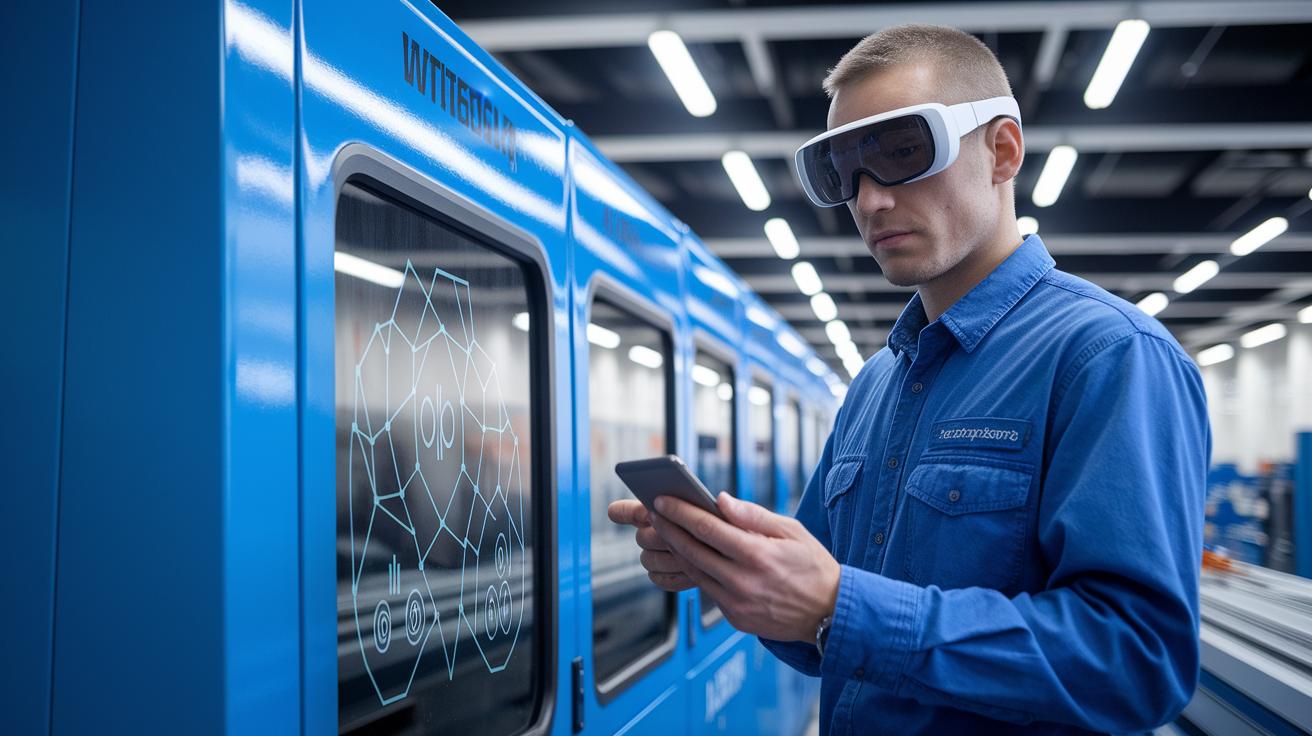
Imagine a world where AR not only makes your daily tasks a bit easier but also changes entire industries. With AI-powered AR (where smart tech helps computers understand the world), it now sees objects and surfaces much like that IKEA app that uses your voice to recreate your room in a virtual setting. This blend of AI and AR hints at a future where you might simply speak to create full 3D designs, making creative and business tasks smoother and more intuitive.
Mobile AR isn’t just for games anymore, it’s turning into a handy tool for businesses. Picture a technician getting live visual help while fixing a machine; this next-generation tool speeds up repairs and boosts accuracy. And with updates like ARCore 1.47 and ARKit 6 adding new features to detect objects and track rooms, the tech world is gearing up for an even smoother and more accessible AR experience.
WebAR and cross-platform AR apps are also breaking barriers, making these cool features available to more people. For example, Android devices already hold over 70% of the mobile AR market, and experts predict that AR/VR could reach over $62.9 billion by 2029. This shows that brands are likely to lean toward practical, social AR experiences instead of diving headfirst into full metaverse concepts.
New hardware and smart tech predictions are driving more investment into the next generation of AR tools. This surge is fueling research and sparking innovative ideas all over the world as AR continues to lead the way in our digital transformation.
Challenges and Considerations for Augmented Reality Technology Adoption

Mobile AR runs into some technical bumps that slow things down. Smartphones and tablets often don’t have enough processing power or battery life to keep AR running smoothly. Plus, with so many different devices out there, not every gadget supports the same features, which means developers have to work hard to make everything work together.
Head-mounted displays add another twist. They can be heavy and sometimes the controls don’t feel natural, making the user experience less enjoyable. It’s a bit like lugging around a heavy backpack on an easy-going hike, if it drags you down, you won’t want to use it every day.
Privacy and data security are big concerns too. When AR layers digital info over a live camera feed, private details might be at risk. That means rules and regulations need to catch up with the tech, ensuring we stay safe without holding back creativity.
To make AR work for everyone, smart network strategies like edge computing (processing data near the user) need to be part of the mix. And thorough, real-world user testing is a must to ensure AR systems deliver a secure and smooth experience wherever you go.
Final Words
In the action, the blog post dove into how augmented reality technology fuses digital elements with our everyday world, making immersive, interactive experiences a reality. It unraveled the basics of digital augmentation, explored vital hardware and software components, and spotlighted its impact across industries, from creative retail solutions to secure healthcare innovations. The discussion even touched on wearable tech breakthroughs and future trends, addressing challenges along the way. This journey shows that secure, high-performance digital solutions are not just possible, they’re paving the way for an exciting, connected future.
FAQ
Q: What are some examples of augmented reality?
A: The examples of augmented reality show digital content like images and videos overlaid onto real-world views on smartphones, head-up displays, and smart glasses for gaming, retail, and training.
Q: How does augmented reality work?
A: The explanation of how augmented reality works is that it uses cameras, sensors, and software to capture your environment and overlay interactive digital elements in real time using computer vision.
Q: What are augmented reality technology courses?
A: The mention of augmented reality technology courses refers to programs that teach you about digital augmentation fundamentals, including software development, computer vision, and interactive content creation.
Q: What is the difference between augmented reality and virtual reality?
A: The distinction between augmented reality and virtual reality is that AR adds digital elements to your real world, while VR creates a completely digital environment that replaces your view entirely.
Q: What are augmented reality apps?
A: The definition of augmented reality apps highlights interactive tools that blend digital content with live camera feeds to create immersive experiences in gaming, retail, education, and more.
Q: What is mixed reality?
A: The description of mixed reality explains that it combines real-world and digital elements in a way that they interact in real time, bridging AR and VR for a dynamic user experience.
Q: What are the three types of augmented reality?
A: The reference to the three types of augmented reality typically means marker-based AR (using digital markers), markerless AR (using environmental cues), and projection-based AR (projecting images onto surfaces).