

Have you ever noticed how nature acts like one big team? Every living thing, and even simple elements like sunlight or water, works together just like friendly neighbors, all keeping everything in balance.
When one part of nature changes, the whole system gently adjusts its rhythm. It shows us that working together isn’t just a trendy phrase; it’s how nature thrives every day.
Let’s take a closer look at how each piece contributes to a world that stays flexible and strong.
Components Ecosystem: Dynamic Integrated Synergy
An ecosystem is like a self-running neighborhood where plants, animals, and even tiny microbes mix with nonliving things like sunlight and water to keep everything in balance. Picture yourself strolling through a sunny field where every little blade of grass and soft breeze works together, each playing a part in nature’s big team.
In this kind of system, there are two groups: one made up of living things (the biotic) and one of nonliving things (the abiotic). The biotic group includes everything that’s alive, plants, animals, and microbes that grow, reproduce, and add energy to the scene. On the flip side, the abiotic group covers stuff like sunlight, temperature, water, and soil. This nonliving side not only keeps life going but also shapes how plants and animals behave and grow. For example, lots of sunlight can make plants grow thick and lush, which, in turn, attracts even more wildlife.
All these parts connect in a way that makes the whole system strong and flexible. Each element works on its own but stays linked to the others, almost like different parts of a well-tuned machine. And when something changes, a shift in temperature or a dip in water, the whole network adjusts, keeping the environment lively and thriving.
Nonliving Element Analysis in a Components Ecosystem

Nonliving factors are the quiet helpers that make sure life can grow and thrive. They set the stage, like a gentle background beat that keeps everything moving smoothly. These elements help plants sprout, animals find water, and communities settle in just the right spots.
- Temperature
- Humidity
- Light intensity
- Atmospheric pressure
- Water availability
- Carbon dioxide levels
- Soil and atmospheric nitrogen
Take temperature, for example. It not only affects how plants grow but also tells them when to bloom and drop their seeds. Humidity isn’t just about damp air, it gives both plants and animals the water they need to stay healthy. Light intensity powers photosynthesis (the way plants make their food), while atmospheric pressure can shift weather patterns, nudging species to move or adapt. Water is essential; without it, even the hardiest creatures struggle. Carbon dioxide is a key ingredient in energy production for plants, and nitrogen from the soil and air helps build proteins, which are vital for life. All these factors work together to shape how living things develop, reproduce, and spread throughout nature.
Biotic Component Roles in a Components Ecosystem
Biotic components are the living parts of an ecosystem. They include plants, animals, and tiny microbes that all work together. These living things fall into groups like producers, consumers, and decomposers, each playing a special role in keeping the system balanced.
Producers are like the builders of food. They make energy using photosynthesis (making food from sunlight) or chemosynthesis when sunlight isn’t available. Fun fact: deep-sea vent communities rely on chemosynthetic bacteria that use chemicals to produce energy instead of sunlight. Without producers, the rest of the ecosystem wouldn’t have the energy it needs.
Consumers come next by eating producers (herbivores) or even other consumers (carnivores). For example, herbivores like deer munch on plants while carnivores like wolves hunt herbivores. Their eating habits help move energy up the food chain and keep animal populations in check.
Decomposers and detritivores finish the cycle by breaking down dead material. Fungi and bacteria release nutrients back into the environment, and detritivores like earthworms consume decaying matter. This recycling keeps the ecosystem healthy by renewing the energy and nutrients that all living things need.
| Component Type | Examples | Key Function |
|---|---|---|
| Producers | Trees, algae | Primary energy capture |
| Consumers | Deer, wolves | Energy transfer |
| Decomposers | Fungi, bacteria | Nutrient recycling |
Energy Flow Mapping and Nutrient Cycle Examination in a Components Ecosystem

Every ecosystem has energy moving through different steps, almost like a friendly chain reaction. It all starts with producers, think plants that soak up sunlight and turn it into food through a process called photosynthesis (using sunlight to make their food). Then, herbivores (animals that munch on plants) take in that energy, passing on a smaller amount to the carnivores (animals that eat other animals). Fun fact: only about 10% of energy makes it from one step to the next, turning the whole process into a shrinking pyramid.
Plants, animals, and tiny microbes all play a part in the carbon cycle, which is like nature’s way of sharing and recycling energy. During photosynthesis, plants draw in carbon dioxide (CO₂, a gas in the air) to create food and store energy, just like charging a battery. Later, when plants and animals breathe, they let some of that CO₂ back into the air. As things break down after they die, the carbon returns to the soil, keeping the cycle going. Imagine a tree acting like a natural battery: it gathers energy and then slowly releases it back as its leaves fall and decay.
Another important cycle is the nitrogen cycle. Nitrogen is a key ingredient for life, but it needs to be changed into forms plants can use. First, nitrogen from the air is fixed (turned into a usable form) by nature. Then, through ammonification, dead plants and animals turn their nitrogen into ammonia (a simple chemical that plants can handle). Next, nitrification changes that ammonia into nitrites and nitrates, which are even easier for plants to take in. Finally, denitrification sends nitrogen back into the atmosphere. This whole process depends on helpful soil bacteria and the right environmental conditions.
On land, soils tend to hold onto nutrients longer, which means the cycle happens a bit slower but steadier. In freshwater and marine settings, nutrients often turn over much faster, creating quick but sometimes less stable changes in these environments.
Functional Interaction Processes in a Components Ecosystem
Imagine nature as a big team where every part, living or not, works together. Living things like plants and animals, and nonliving things such as temperature and sunlight, constantly interact. It’s similar to a gentle push and pull, where one change can start a chain reaction, much like falling dominoes.
Nonliving factors (abiotic factors) such as temperature, moisture, and sunlight are like secret helpers in nature. For example, a warmer temperature can speed up the reactions inside a plant, just like a warm kitchen helps cookies bake faster. Moisture in the soil lets tiny organisms (microbes) do their job breaking down dead material, which improves the soil. Sunlight gives plants the energy to create food in a process called photosynthesis, making it the key energy source for life.
Feedback loops add another interesting twist. When plants grow, they leave behind leaves and organic material that enrich the soil, helping it hold water and nutrients. This plant-soil partnership encourages even more plant growth. In the same way, when predators control herbivore numbers, it keeps plant communities balanced.
All these simple interactions show that every piece, whether it lives or not, is connected. Each part plays its role to keep the ecosystem balanced and strong, much like a team where every player counts.
Habitat Diversity Insights and Classification in a Components Ecosystem
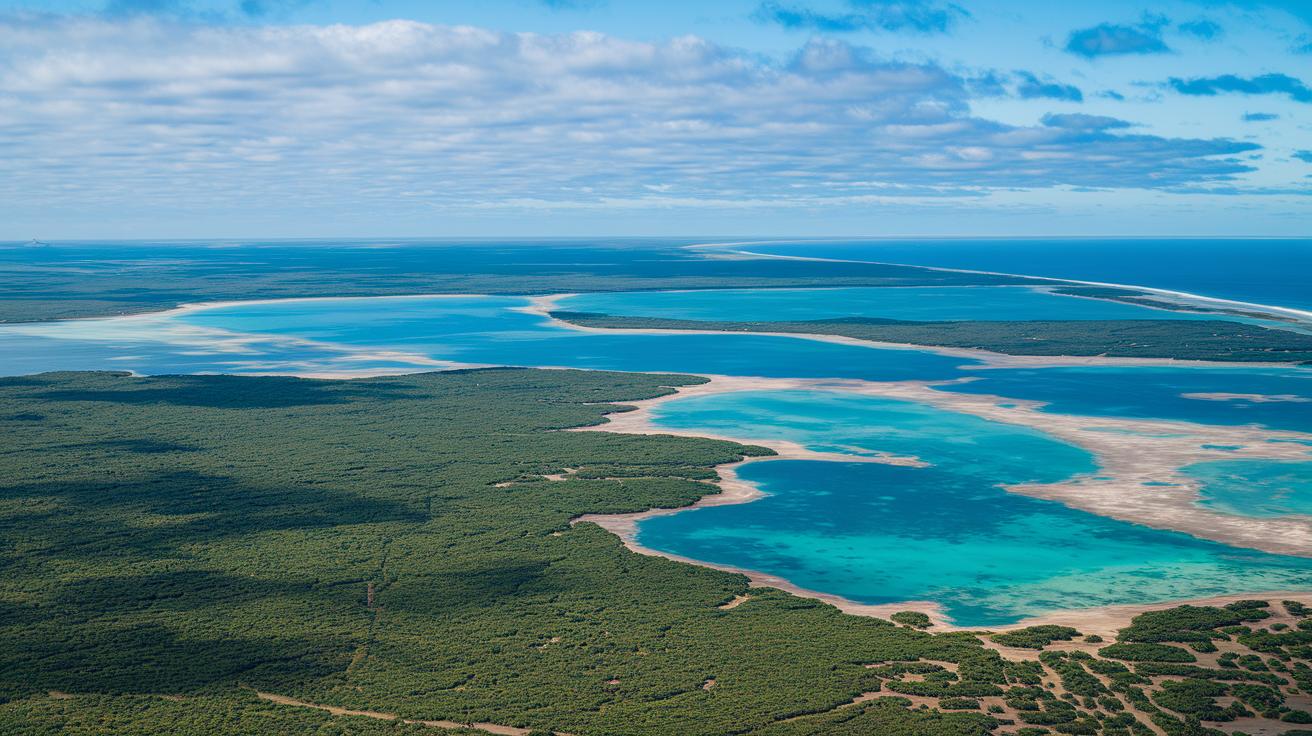
Around the world, habitats come in many different forms. Each one is shaped by its own weather, landscape, and available resources. Even a tiny patch of land can support a surprising mix of ecosystems, proving that nature loves variety.
You can think of major ecosystem types like forests, grasslands, deserts, and bodies of water. Forests can be warm and tropical or cool and temperate, filled with dense, green life. Grasslands are big open spaces mostly covered in grasses. Deserts, on the other hand, are dry and have only a few plants that can survive. Then there are freshwater places, like lakes and rivers, and the vast blue marine environments, each defined by the water they hold.
Scientists classify these ecosystems by looking at dominant plants, local climate patterns, and the mix of animal and plant life. They use these clues to sort ecosystems into groups, making it easier to understand how different species live together in various places. For instance, researchers might note the common types of trees in a forest or the kinds of grasses in a savanna to pin down the ecosystem's identity.
When comparing regions, say the Amazon and the Congo rainforests, you see that while both are rich with life, they have different climates, main species, and local challenges. These details help us see not just the common features, but also the unique differences that give each ecosystem its own character.
Ecological Equilibrium and Conservation Strategy Insights in a Components Ecosystem
Ecological equilibrium is when nature’s living things and non-living elements work together in balance. This smooth interaction keeps our natural world steady. Keystone species play a crucial role here. They’re like the key piece in a puzzle, if you remove or change them, the whole system can start to fall apart.
Humans, however, have been changing these natural systems a lot. Cutting down forests, expanding cities, and using aggressive farming methods shrink the natural homes of many creatures. These actions also mess up how nature traps carbon (a process that locks up carbon) and harms the delicate web that supports so many species. Imagine taking out an important piece from a jigsaw puzzle; soon, the complete picture is lost.
Climate change adds even more pressure. Hotter temperatures, different rainfall patterns, and events like coral bleaching (when corals lose their color and ability to support life) put extra stress on both land and ocean habitats. For example, coral bleaching doesn’t just hurt colorful reef communities, it also endangers the people who depend on them for food and protection. It’s a clear sign that we need to face climate change with real urgency.
To protect nature, many conservation efforts focus on bringing back keystone species, restoring natural habitats, and putting strong rules in place. Using sustainable practices (methods that won’t run out) and planning ahead helps nature recover and adapt. Working together, we can build a more balanced and secure environment for all life.
Final Words
In the action of exploring a components ecosystem, we uncovered how biotic and abiotic elements work together. The blog post examined each section, from nonliving element impacts to energy flows and habitat diversity insights. We also saw how functional interactions and conservation strategies keep ecosystems balanced. This ecosystem deep-dive paints a clear picture of technology-driven innovation and secure management, making it a dynamic blueprint for digital transformation and cybersecurity excellence. The future looks bright for leveraging these robust components ecosystem insights.
FAQ
How do ecosystem components shape the whole system?
Ecosystem components consist of biotic factors (plants, animals) and abiotic factors (water, sunlight) that interact to drive energy flow and nutrient cycling, forming a self-sustaining network.
What are some examples of ecosystem components?
Ecosystem components appear in forests, grasslands, freshwater bodies, and marine settings—each showcasing living organisms working alongside non-living elements like water, light, and soil.
Where can I find detailed resources like PDFs or PPTs on ecosystem components?
Detailed resources such as PDFs and PowerPoint presentations are available online, offering structured outlines and clear diagrams that explain the roles of both biotic and abiotic components.
What defines the structure of an ecosystem?
The structure of an ecosystem is defined by the arrangement and interaction of its components, including grouping of living organisms (producers, consumers, decomposers) and abiotic elements like climate and water.
What basic components or necessities does an ecosystem require?
When defining essential needs, ecosystems require core elements such as sunlight for energy, water, air, soil, and living organisms, with extra factors sometimes added to highlight environmental complexity.
What are the different types of ecosystems?
Ecosystem types include forests, grasslands, deserts, freshwater, and marine systems. Depending on criteria, classifications may list between four and seven main categories to explain varying natural settings.
What key terms should I know about when studying ecosystems?
Key terms include ecosystem (a community and its environment), biodiversity (the variety of life), biosphere (all Earth’s life zones), ecology (the study of interactions), organism (a living being), and natural environment (surrounding conditions).