

Ever wonder if your company might be missing a secret way to grow? A clear digital plan can guide your team step by step, turning big tech dreams into everyday wins. Imagine it as a treasure map that shows everyone, from top leaders to team members, the best path forward. As we explore how a digital roadmap makes growth possible, you’ll see how a well-organized plan lights the spark for fresh ideas, speeds up progress, and helps every decision matter.
Defining the Enterprise Digital Roadmap: A Structured Framework
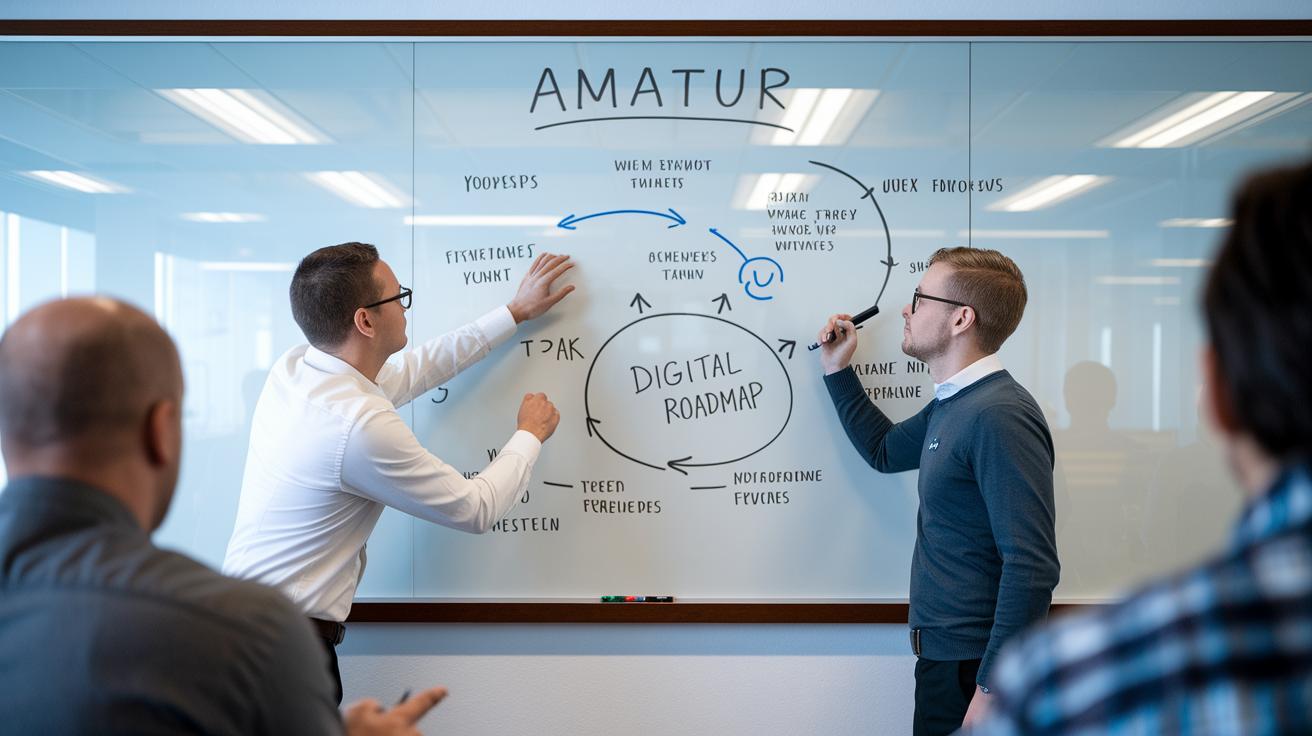
An enterprise digital roadmap is a smart, step-by-step plan that connects your long-term digital dreams with everyday actions. It isn’t just a high-level idea; it’s a practical, people-first guide that shows everyone, from top execs to team members, exactly how to help. Think of it like a modern business blueprint that maps out your journey, ensuring everyone knows their role along the way.
This approach works in nine easy steps. First, you figure out what success looks like by linking digital goals to clear outcomes, like faster service or a friendlier customer experience. Ever imagine slashing customer wait times by 20%? That kind of win really lifts spirits at work and makes customers happier.
Next, you highlight how different roles make an impact. You then design a simple plan using proven methods (like the Prosci ADKAR Model, which is just a way to help people get comfortable with change), set up clear tasks, and put the plan into action. Along the way, you keep an eye on progress using both technical numbers and real, everyday feedback.
After this, you tweak your actions based on what you learn, blend new practices into your daily routine, and check important milestones at regular intervals. Finally, you pass the reins to your operational leaders to carry the plan forward. Each step works together to keep the business on track while fueling steady, creative growth.
In the end, this structured digital roadmap becomes your go-to plan for all strategic digital projects, ensuring everyone moves in sync towards a bright, modern future.
Assessing Your Current IT Landscape for Roadmap Foundations

Start by taking a close look at every part of your IT setup: the hardware, networks, data storage, software, and apps. Think of it like checking your car before a long ride, making sure everything runs safely and smoothly.
Then, use a simple template to record key details. Jot down how long your systems stay up (uptime), where things slow down (performance bottlenecks), and any missed connections between systems (integration gaps). This step gives you a clear picture of where you stand.
Next, let data management tools like surveys, system audits (a detailed check-up), and vendor reviews be your trusted helpers. They collect useful numbers, error rates, tool usage, and more, that show the real state of your IT environment.
A quick overview can look like this:
| Component | Key Metrics |
|---|---|
| Hardware | Uptime, Bottlenecks |
| Software | Error Rates, Integration Gaps |
This careful review builds a solid base for your IT roadmap, helping you decide what to upgrade and how to modernize your systems step by step.
Setting SMART Objectives and Data-Driven Solution Design

After you’ve taken a close look at your current IT setup, it’s time to set clear SMART goals that line up with your business aims. Think of these SMART goals as friendly promises your team makes, they need to be specific (clear), measurable (countable), attainable (doable), relevant (important), and time-bound (with a deadline). For example, you might decide, "Boost our system reliability to 99.9% in the next six months." This kind of clear goal really cuts down on any mix-ups.
Now, let’s dive into the actual data. Use technical numbers like tool usage and error rates, and don’t forget to consider how your team feels about these changes. These details help you figure out where tweaks might be needed. Imagine not just saying “we need better performance” but actually measuring it, maybe by reducing errors or getting more positive feedback from users.
You can even tap into advanced tools like analytics, AI (a way for computers to make smart decisions), and machine learning to shape solutions that fight off digital challenges. Say your data shows that process times are dragging on; you might aim to cut those times by 30% by automating routine tasks. It’s like switching from an old typewriter to a modern, fast laptop.
To keep everything straight, try these simple steps:
| Step | Description |
|---|---|
| Set Clear Goals | Make your goals specific to boost efficiency, improve customer experience, or build better teamwork. |
| Monitor Progress | Keep an eye on both technical metrics and team feedback. |
| Adjust Plans | Use insights from your data to fine-tune your strategy. |
This method makes sure every digital solution is crafted to be clear, accountable, and ready to fuel long-term growth.
Crafting a Technology Innovation Framework & Cloud Migration Blueprint

Start with the essentials. Pick tech that can grow with you and work well together, like AI platforms, cloud services, and advanced analytics (tools that help you understand your data). Think of it as setting the stage for an amazing show where every part plays its role perfectly. Imagine your cloud migration being as smooth as switching from riding a bike to zooming on a high-speed train.
Next, make the cloud your go-to. Set up your IT around cloud services so you can roll out changes faster and be more flexible. Begin by deciding which tasks need the most attention, then add strong security steps to keep your digital goodies safe (like locking up treasures). As one handy tip goes, "Secure your data like it's the rarest treasure locked in a vault."
Then, create clear rules that help all your tools play nicely together. This means setting up ways to manage your tech partners so that everything fits together smoothly. Here are some key parts to remember:
| Key Component | Focus Area |
|---|---|
| Architecture Design | Planning with a cloud-first approach and scalable options |
| Workload Prioritization | Focusing on the most essential tasks first |
| Security Integration | Strong measures to keep your data safe |
Experts predict that digital spending will skyrocket by 2026. In truth, having a solid plan for cloud migration is more important than ever.
Embedding Cybersecurity Integration and Compliance in Your Roadmap

Cybersecurity should be part of every step in your digital journey from day one. Think of it like checking your car before a long trip, a quick risk check helps you spot any issues early on. Use tools like identity and access management (a way to control who gets in), strong encryption (like a secure lock for your data), and real-time monitoring that keeps an eye on everything. It’s just like installing a smart alarm system in your digital home.
Next, make sure your plans line up with data protection laws. This helps every safeguard meet the right standards and builds trust with everyone involved. Imagine it as double-checking that every door in your house is securely locked.
You can break this down into three key steps:
| Phase | What to Do |
|---|---|
| Planning | Start by adding security needs right from the beginning. |
| Deployment | Run compliance checks as you launch your systems. |
| Feedback | Keep updating your measures based on audits and user feedback. |
This simple three-step approach not only keeps your digital assets safe but also builds strong trust every step of the way. When cybersecurity and compliance take center stage, your digital roadmap drives growth and acts like a vigilant guardian for your enterprise.
Prioritizing Initiatives and Resource Allocation via Agile Change Pathway

Start by using an impact-versus-effort matrix to sort your projects. This simple method makes it easy to spot the tasks that bring big rewards without requiring too much work. Think of it like quickly fixing a drip before repainting a whole wall, small fixes can really pay off.
Next, be smart with your budgets and talent. When 93% of CEOs see better productivity after training their teams, you know that supporting your crew is key to moving forward. Set up clear project plans with checkpoints at 30, 60, and 90 days to keep everyone on course.
Also, blend technical rollouts with support actions like clear communication, training, and leadership backing. So when one team launches new software, another is already helping staff get used to the change. Using a straightforward method like the Prosci 3-Phase Process (a step-by-step guide) makes sure each tech move gets the right support.
Key steps include:
- Scoring projects with an impact-versus-effort matrix
- Creating project plans with clear milestone reviews
- Combining tech updates with good communication and training
| Initiative | Effort | Impact |
|---|---|---|
| System Upgrade | Medium | High |
| Staff Training | Low | High |
In truth, this agile approach helps you use your resources wisely and deliver projects on time.
Executing, Monitoring, and Iterating Your Digital Roadmap with KPIs

Keeping track of your digital roadmap is a bit like checking both a technical meter (like uptime and error rates) and your team's mood (employee sentiment). It’s the gentle check-up that shows you how your digital systems and your team are really doing. Regular reviews at 30, 60, and 90 days act like friendly check-ins that help you see where you stand and guide you to make smart adjustments along the way. For example, asking, "How confident are you in our new software roll-out?" can reveal insights that lead to quicker improvements.
To turn all that feedback into real action, set up a loop that keeps gathering data from surveys and user analytics. A simple table to track these metrics might look like this:
| Metric | Frequency |
|---|---|
| Uptime | Daily |
| Error Rates | Weekly |
| Employee Sentiment | Monthly |
Given that only 16% of organizations see real success with their digital transformations, strong monitoring and timely changes are key. It’s all about using every bit of feedback to boost innovation and deliver clear, measurable business value.
Governing and Sustaining Your Digital Roadmap for Continuous Success

Creating a solid digital roadmap is just the first step. Real growth happens when you weave new habits into your everyday work, updating your records, encouraging constant learning, and setting up ways to celebrate team wins. It’s a bit like giving your high-performance engine a regular tune-up to keep it running smoothly.
Another key part is using Prosci Phase 3 (a proven method to support change). This approach helps move responsibility from the transformation team to regular managers, making digital projects a natural part of how you work, not just a one-off effort. Once your new system is running, let your team leaders take charge of training and gather feedback, ensuring a cycle of ongoing improvement and shared ownership.
You’ll also want a backup plan in place. Business continuity and disaster recovery plans act like a safety net for your company. They get you ready to bounce back if something unexpected happens, so you can keep things moving without skipping a beat.
| Governance Element | Key Action |
|---|---|
| Continuous Learning | Regular training and knowledge sharing |
| Ownership Transfer | Shift leadership roles to operational teams |
| Resilience Planning | Implement business continuity and disaster recovery |
This thoughtful approach helps secure your digital wins and sets you up for lasting success.
Case Study: Scaling Nationally with a Structured Digital Roadmap

Logistics “R” Us made a courageous move by following a nine-step digital plan to grow across the country. They set clear digital goals that matched their growth targets and turned these ideas into a strong competitive edge. They worked hard to improve how their customers feel about their service, keep their systems rock solid, and lower their costs. Think of it like sending a letter that always gets delivered on time instead of waiting around like a slow postcard.
Using a simple business mapping process (imagine drawing a clear map for your goals), they saw some great wins. Their system was up and running 99.5% of the time, and delivery times got 20% faster. This meant fewer hiccups, happier customers, and a boost to their reputation. The digital plan kept every project in check with real business results. By setting clear goals and keeping a close eye on performance, Logistics “R” Us beat big competitors, proving that having a solid digital strategy really fuels growth.
| Metric | Before | After |
|---|---|---|
| System Uptime | ~95% | 99.5% |
| Delivery Times | Standard | 20% Reduction |
Final Words
In the action, we’ve explored a structured framework that bridges digital ambitions and tangible steps. We covered everything from assessing IT landscapes and setting SMART objectives to building robust cloud and cybersecurity blueprints. Each step reinforces a smooth, human-led pathway to modernizing business operations. By combining hands-on strategies with agile change practices, you're well on your way to creating a digital roadmap for enterprises that drives success and innovation. Embrace the journey forward and enjoy the growth ahead.
FAQ
How can I use a digital roadmap template or example for my enterprise?
The digital roadmap template offers a clear guide that aligns business goals with practical steps. It typically comes in formats like PDF and provides example components to help drive your digital transformation.
How do you create or build a digital roadmap?
Creating a digital roadmap starts by assessing current systems, defining SMART goals, and aligning digital initiatives with measurable outcomes. This structured process helps you drive successful enterprise transformation.
What is the AWS digital transformation checklist?
The AWS digital transformation checklist is a resource that guides enterprises in aligning cloud migration and modernization priorities. It ensures your roadmap integrates secure, scalable practices using AWS services.
What are the 5 D’s of digital transformation?
The 5 D’s of digital transformation typically outline key steps such as digitize, democratize, decouple, decentralize, and disrupt. They offer a framework for evolving legacy systems and embracing new, agile solutions.
What are the 4 pillars of digital strategy?
The 4 pillars of digital strategy generally include customer focus, operational efficiency, innovation, and data-driven insights. They form the foundation that ensures your digital roadmap supports forward-thinking business decisions.
What is a digital roadmap?
A digital roadmap is a detailed plan that links your long-term business strategy with actionable digital projects. It outlines milestones, assigns ownership, and ensures that technology initiatives align with business goals.