

Ever notice how a clear digital plan can spark big changes in your business? Think of a digital roadmap like a recipe that turns your big ideas into easy, step-by-step actions. It shows you where you are now, helps you set simple goals, and guides you in making smart choices that drive new ideas. Whether you're a startup or a seasoned company, a solid digital roadmap can light the way to exciting opportunities and lasting growth.
Key Steps in the Digital Roadmap Development Process

A digital transformation roadmap is a clear, step-by-step plan that lines up your business goals with real actions. It’s like writing down your daily to-do list, only on a larger scale, laying out goals with a timeline, assigning tasks, and blending technology, people, and company culture. For instance, when a startup gets ready to launch a product, it lines up its target market needs with clear team roles, much like putting together the pieces of a puzzle.
There are eight main steps in this process. First, take a good look at where your business currently stands, so you know what works and what needs help. Next, set specific, measurable goals (we call these SMART objectives) that match your business needs perfectly. Then, bring in your team and top managers to make sure everyone’s on board and excited to get started.
After that, plan your budget for new talent, tools, and technology. With your resources set aside, pick the right tech, whether it’s artificial intelligence (a smart computer program), cloud solutions (storing data online), or advanced analytics (deep data insights), that fits your project. It’s also important to create a strong plan for overseeing and managing the work. Once you have a plan in place, run a pilot test in a small setting to see what works best, and finally, keep tweaking things based on feedback, much like checking your map on a long journey to ensure you’re headed in the right direction.
Each of these steps plays a key role. By knowing exactly where you are and setting clear targets, you turn big ideas into real plans. Including everyone in the discussion makes sure no one feels left out, and having a solid budget keeps everything practical. Choosing the right technology and maintaining good oversight ensures you’re moving forward strategically. Testing and adjusting along the way keeps your plan fresh and effective.
Assessing Current State and Digital Maturity for Effective Digital Roadmap Development

Start by taking a close look at your company's digital skills, its systems, processes, talents, and the readiness of its data. Think of this step as a quick car check before a long trip; you want to know if every part is up to the task. By spotting what works well and where there are gaps, you get a clear picture of what needs improvement. This groundwork is key because it makes sure your digital plans are built on a real understanding of what’s already in place.
A full digital audit is like a secret tool for your roadmap. Running a tech readiness check means you compare your current ways of working with industry standards and what you'll need down the road. Picture it like reading a report card that tells you where your team shines and where a little extra help might be needed. This process highlights the gaps so you can set clear, achievable goals for moving forward, aligning your resources for a smooth digital transformation.
Defining Objectives, Metrics, and Success Criteria in Your Digital Roadmap Development Process
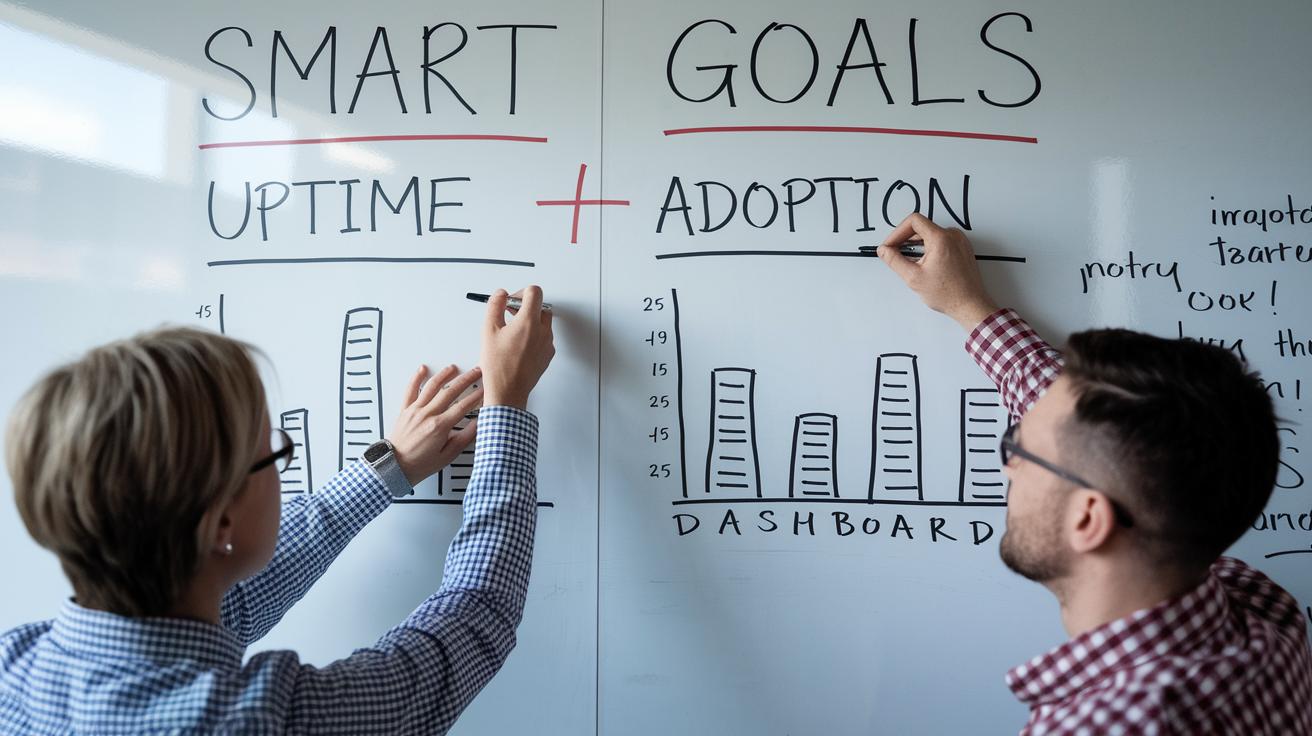
Start by nailing down clear goals using the SMART method (that means goals should be Specific, Measurable, Achievable, Relevant, and Time-bound). When your goals fit this method, it's easy to see how they connect your big business aims with everyday tasks. Imagine telling your team, "Let’s boost system uptime by 5% next quarter." That clear, simple target keeps everyone on track and know exactly what to work towards.
Once your SMART goals are set, it's time to figure out how you'll track progress. In digital planning, you want to keep an eye on two things. First, the tech side, like system uptime and performance scores, which show how the tech is doing. Then there’s the human side, like user satisfaction and training success, which tell you how well people are adapting to changes. By checking both technical details and personal factors, you can easily spot what’s working and what might need a little extra attention.
• How often your system stays up and running
• The rate at which new features are adopted
• How fast you roll out new capabilities
• Levels of user engagement and satisfaction
• Training completion and skill levels
• Return on investment (ROI) for your digital projects
Stakeholder Engagement and Change Management Methodology in the Digital Roadmap Development Process

We use a simple, proven approach like the Prosci ADKAR Model to guide our digital transformation. This method, built around five key steps, Awareness, Desire, Knowledge, Ability, and Reinforcement, ensures everyone understands why change is needed and how they can pitch in. When each team member knows their part, the whole transformation feels smoother and more connected.
Getting everyone involved is really what makes change effective. We bring together top leaders, tech experts, department heads, and everyday users in one friendly communication loop. Regular chats, like weekly calls or bi-weekly workshops, help keep the message clear and motivate everyone to stick with the plan. This ongoing feedback loop builds trust and makes it easier to adopt new innovations while keeping any pushback to a minimum.
| Stakeholder Group | Role | Engagement Method |
|---|---|---|
| Executives | Sponsor/Decision-maker | Monthly steering meetings |
| IT Leadership | Technical governance (managing technology needs) | Weekly alignment calls |
| Department Heads | Business requirements owner | Bi-weekly workshops |
| End-User Champions | Adoption advocates | Training sessions & feedback forums |
Technology Selection and Innovation Blueprint Creation in the Digital Roadmap Development Process
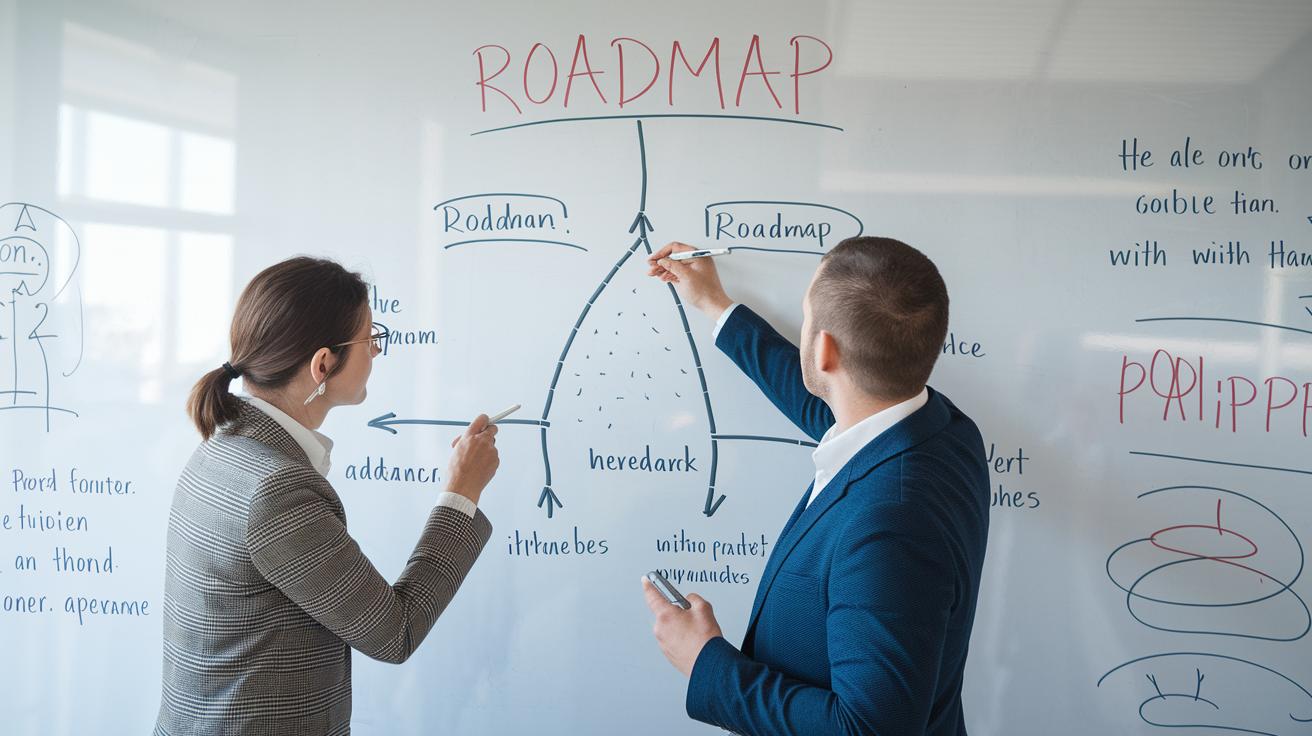
Picking the right digital tools is a big deal when you want to spark innovation. Start by checking where your current technology falls short and decide on clear goals that match your business needs. For instance, consider AI (which helps computers make smarter choices), cloud platforms (online systems to store your data and apps), and advanced analytics (tools that help you understand large amounts of data). Focusing on tools you can use again, not just one-time fixes, helps your technology work for both immediate needs and long-term growth.
Mixing new tech with solid training, clear communication, and a good integration plan can really smooth the transition. When your team has a step-by-step guide to adopt the technology, they feel more ready to handle change. A well-planned innovation blueprint acts like a map, linking every new tool with practical steps that support your business and boost team confidence. By investing in emerging technology and planning ahead, your digital roadmap becomes a living guide that adapts to new opportunities while keeping your workforce on pace with change. This approach not only improves tech performance but also creates a friendly atmosphere of ongoing learning and innovative thinking.
Sequencing Initiatives and Applying Agile Implementation Framework in the Digital Roadmap Development Process

Breaking your digital roadmap into clear initiatives is like organizing a toolbox for a big project. Each package holds related tasks in neat waves, just like planning key stops on a road trip. First, you decide which spots are must-see, then you line them up to keep your journey smooth. For instance, you might start by upgrading your customer service system before launching a larger digital strategy.
The Prosci 3-Phase Process is a simple way to handle change. In the first phase, Prepare Approach, you build a strong base by looking at what you have now and what you need. Then in Manage Change, you roll out your plan and keep everyone in the loop. Finally, Sustain Outcomes makes sure your progress lasts as you pass the baton to your operations team. This clear plan shows why every step is important in your digital transformation.
Integrating agile sprints brings a fresh, dynamic twist to your plan. These short, focused cycles let you try out new ideas, gather quick feedback, and make small tweaks, much like testing a mini recipe before serving a full meal. This method helps you dodge big mistakes and build on small wins. Regular feedback loops keep the process refined and ensure your approach continues to spark innovation throughout your roadmap journey.
Tracking Progress, Overcoming Pitfalls, and Applying Best Practices in Your Digital Roadmap Development Process

It’s important to check your progress regularly to keep your digital plan on track. When you look at both technical numbers (like system uptime and performance scores) and people signals (such as user satisfaction and training done), you get a clear picture of how your projects are doing. Set a time to review every 30, 60, or 90 days so you can see trends early and tweak your strategy if needed. For example, if a test project shows less user interest at the 60-day check, you can quickly adjust your plan to meet user needs better.
Many groups run into troubles when planning without clear goals, working poorly together, not tracking progress, or ignoring risks. While planning your roadmap, be sure not to treat big goals as just dreams. Choosing the wrong tools and not communicating well can also throw off progress and make it hard for the team to stay on the same page. Think about a day of work with no clear tasks, it’s easy to get distracted and miss deadlines. Spotting these issues early sets up a stronger and more reliable plan for change.
Using tried-and-true best practices can help make your digital transformation a real success. Make sure every part of your plan fits what your customers need and has clear targets. Getting team champions on board and going for quick wins builds momentum. Keep communication open and stay flexible so you can pivot when things change. And by using technology that can grow with your business, your digital roadmap will evolve with the market and always support your organization’s needs.
Digital Roadmap Development Process Fuels Innovation

Our free, visual template is here to guide you on your digital transformation journey. It neatly brings together all your projects, deadlines, key measures, and who’s in charge, all in one place, kind of like a handy travel map. With clear milestones, resource checklists, and set dates, you can easily see how everything lines up with your main business goals. Think of it as your personal digital dashboard, simple markers that ensure every small task is noticed and each team member knows their part in driving new ideas forward.
To give your digital project a kick-start, check out our step-by-step guides and clear documentation. They slice complex topics into easy, actionable steps. Whether you’re building your first roadmap or fine-tuning an existing one, these resources show you exactly how to match new digital tools with your business aims. They make sure every project is organized, measurable, and has clear responsibility so nothing slips by unnoticed. For a quick look, our digital roadmap framework provides a visual outline that helps with planning and making things happen. You can also find detailed directions on building a digital roadmap at our links. These tools are here to help your team stay flexible, spark creativity, and turn your vision into real results, each step as practical as it is inspiring.
Final Words
In the action, this blog post breaks down each essential step of building a digital roadmap development process. It shows how to assess where you are and plan ahead with clear, actionable steps.
The guide takes you through setting smart goals, engaging key players, and selecting the right technologies, all crucial for a smooth digital transformation journey.
Every step is designed to help you secure robust data protection while driving business growth. Embrace these insights and move forward with confidence and innovation.
FAQ
Digital roadmap development process template
The digital roadmap development process template serves as a visual guide outlining key steps and milestones. It helps teams align their digital initiatives with business goals and plan resources effectively.
Digital roadmap development process steps
The digital roadmap development process steps break down the journey into clear actions, such as assessing current capabilities, defining objectives, engaging stakeholders, selecting technologies, and piloting solutions for successful transformation.
Digital roadmap development process PDF
The digital roadmap development process PDF provides a downloadable, structured document that outlines the sequential steps and best practices, making it easier for teams to plan and execute their digital initiatives.
Digital roadmap development process example
The digital roadmap development process example illustrates a real-world scenario where an organization maps out its digital transformation journey, detailing each step from initial assessment to iterative improvements for a secure digital future.
Digital roadmap template
The digital roadmap template offers a ready-to-use framework that visually outlines timelines, initiatives, and key performance indicators. It helps teams stay organized and focused on achieving digital transformation goals.
Digital transformation Roadmap PDF
The digital transformation Roadmap PDF presents a structured, downloadable guide that maps out critical initiatives, timelines, and metrics, allowing organizations to plan their transformation with clarity and confidence.
Digital roadmap examples
The digital roadmap examples showcase different approaches organizations have taken. They highlight practical steps, visual layouts, and key metrics, offering inspiration and clear guidance for building your own actionable plan.
Digital transformation roadmap template
The digital transformation roadmap template is a ready-to-use tool that provides a structured layout for planning and tracking digital initiatives. It helps align business priorities with technology solutions and measurable goals.
How to develop a digital roadmap?
To develop a digital roadmap, start by assessing your current state, then define clear, SMART objectives. Engage stakeholders, allocate resources, select the right technologies, and continuously pilot and refine solutions based on feedback.
What are the 4 pillars of digital strategy?
The 4 pillars of digital strategy typically include digital vision, customer experience, operational excellence, and technology enablement. Each pillar guides the planning and execution, ensuring an integrated approach for successful transformation.
What does digital roadmap mean?
The digital roadmap means a structured plan outlining the steps, initiatives, and resources needed to achieve a company’s digital transformation. It serves as a clear guide to align business goals with technology implementations.
How to develop a process roadmap?
To develop a process roadmap, first assess current processes, then define clear, measurable objectives. Outline the sequential steps, assign responsibilities, and implement iterative reviews to ensure continuous improvement and effective change management.