

Ever thought planning your digital future could spark real growth? Digital roadmap planning links your business goals with simple, step-by-step actions to keep everyone on track. It’s like charting a journey where each step turns ideas into real results. This method not only boosts tech improvements but also helps everyone know their part in the process. When you align your vision with clear actions, a well-built digital plan becomes the engine driving your company’s growth and innovation.
Getting Started with Digital Roadmap Planning
Digital roadmap planning sparks digital growth by clearly linking business priorities with measurable success metrics that keep everyone, from executives to team members, focused on a common goal. A digital roadmap is a structured plan that assigns clear ownership and establishes a well-defined vision, scope, and stakeholder roles right from the start. To understand more about this concept, check out "What Is a Digital Roadmap" (https://sitescard.com?p=270). This approach ensures that every digital transformation step is purposeful and aligned with your organizational priorities.
When you create a digital roadmap, you lay out a comprehensive plan that not only targets technology enhancements but also prioritizes people-centered outcomes. The planning framework principles help you assess how different roles and departments are affected, guaranteeing that communication, training, and support are woven throughout the process. This alignment makes sure that technology works hand in hand with business objectives and that every member understands their role in the digital journey.
Digital transformation is an ongoing process rather than a one-time project. By integrating actionable metrics, assigning responsibility, and reinforcing collaboration across all teams, your digital roadmap becomes a dynamic blueprint that adapts to feedback and evolving business needs. This proactive planning paves the way for continuous innovation and growth in a rapidly changing digital landscape.
Digital Roadmap Planning Frameworks and Models

Digital roadmap planning gets a boost from tried-and-true frameworks and models that help you set up both tech and IT strategies. For example, the Prosci ADKAR framework guides teams through change management (a way to help everyone get comfortable with new digital systems). BOC Group also offers smart solutions: ADONIS helps manage business processes, ADOIT lays out a clear enterprise structure, and ADOGRC keeps governance, risk, and compliance in line. These models break down complex digital projects so each team member knows their part in a smooth transformation.
Digital transformation can be sorted into four neat categories: process, business model, domain, and cultural. This clear breakdown gives you a roadmap that’s both complete and flexible. A company might improve efficiency by redefining its processes, adjust its revenue approach with a business model change, tap into new areas with a domain shift, or foster a tech-friendly culture with some changes in mindset. The journey often follows five key steps: define the scope, outline what’s needed, prioritize projects, plan the timeline and budget, and track progress with clear metrics. Imagine a small tweak, like streamlining approval workflows, sparking a big boost in productivity, much like the gentle tap that unlocks a vault of protection.
Using structured templates and models makes planning straightforward by keeping each phase of the digital journey organized. To dive into these clear approaches, check out the Digital Roadmap Framework (https://sitescard.com?p=378), which shows practical methods to align technology with solid business goals while keeping change management stress-free.
Key Components of a Comprehensive Digital Roadmap Plan
The digital roadmap plan isn’t just a boring checklist, it’s a lively guide that shifts with the times. It helps you see how each step matters in many different fields, offering insights and real-life examples along the way.
Define Scope
Figure out where you’re headed by matching your big ideas with clear business goals. For example, a retail business might work on making its online store smoother. It’s like setting your GPS before a road trip: you decide on your destination and stay open to a few surprises along the way.
Outline Requirements
Next, jot down everything you need to bring your vision to life. In a place like healthcare, you might need to secure patient records and simplify booking appointments. Think of it like gathering all the ingredients for your favorite dish, each one, from a user-friendly setup to strong data locks (a way to protect your information), is essential.
Prioritize Requirements
Now, sort out what’s most important based on its impact and how doable it is. In a fast-moving field like finance, you might focus on tight digital security before adding extra features. It’s like choosing the best route during rush hour: tackle the big wins first, then consider the rest.
Plan Timelines & Budgets
Set clear milestones and reasonable budgets while keeping a bit of wiggle room in case something unexpected comes up. Whether you’re in education or manufacturing, imagine planning your journey with well-timed stops to keep you moving forward without overspending.
Track Progress
Keep an eye on how things are going by using clear metrics and easy-to-understand checkpoints. It’s much like watching your car’s fuel gauge on a long drive, constant monitoring helps you adjust and stick to your digital game plan.
By piecing together these steps, your roadmap turns into a smart, flexible tool that meets the unique challenges of any industry while staying agile in our ever-changing digital world.
Step-by-Step Guide to Creating Your Digital Roadmap

When you start building your digital roadmap, begin with clear tech goals and handy checklists. Mix technology rollouts with strong leadership support and simple ways to keep everyone in the loop. For example, think about setting 30/60/90-day targets, easy steps that let your team adjust as you get real feedback.
- Define easy-to-understand tech goals.
- Set up solid ways to communicate.
- Kick off practical training sessions.
- Create checklists that focus on clear outcomes.
- Plan 30/60/90-day targets.
- Regularly collect feedback from your team.
- Hand over ownership to everyday operations.
This approach ties smart planning to action. It combines clear tech plans with the flexibility to change based on real results. In truth, by tweaking your targets and listening to your team, your roadmap stays fresh and true to your digital vision.
Best Practices and Common Pitfalls in Digital Roadmap Planning
When you're planning your digital roadmap, remember that people come first. Having leaders who back the plan and teams across different areas working together makes everyone feel part of the journey. Plus, using clear KPIs (key performance indicators, or simple success measures) helps keep everything on track.
It’s easy to get caught up in shiny new tech while forgetting to get your team ready. In fact, only about half of companies with urgent AI plans succeed because they miss the culture side and strong leadership. When internal communication isn’t clear, team support can quickly fall apart.
A smart move is to mix in a solid change management plan. Leaders should share the vision and open up ways for everyone to give feedback. For example, holding regular team meetings where you discuss progress, like how well new tools are adopted or if error rates drop, can really keep the team aligned.
Avoiding common pitfalls means balancing your tech goals with practical training and support. When departments work together and you measure real results along with how the team feels, it all comes together nicely. With strong leadership and clear direction, your digital roadmap turns into a living guide that grows and adjusts as needed.
Innovative Technologies and Trends Shaping Digital Roadmap Planning
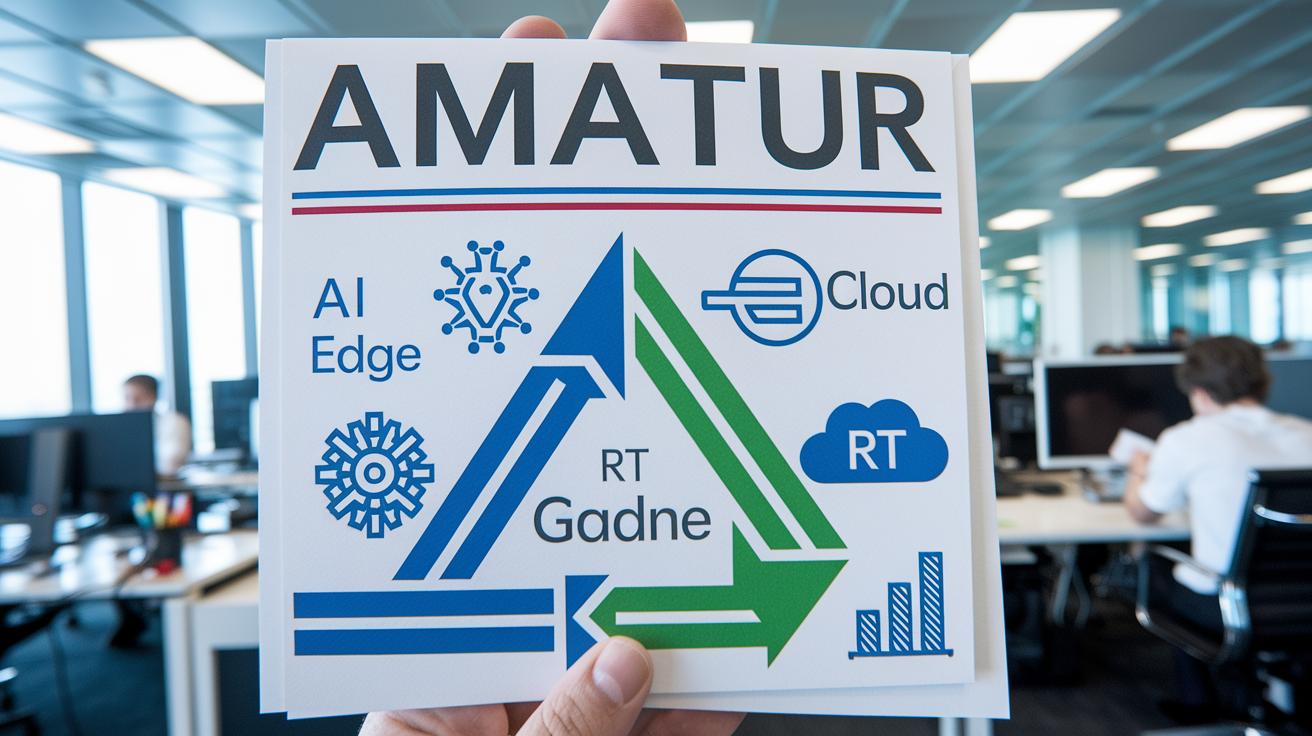
Innovation fuels how we map out our digital future. Smart tools like AI-driven automation (using clever programs to get work done) and edge computing (handling data right where it's made) are shaking up everyday business operations. Blockchain platforms help lock down transactions and keep data safe, while real-time data analytics show trends as they happen, giving leaders clear guidance. All these advances lay the groundwork for strategies that adapt as fast as the digital world moves.
Cloud services that can scale with your needs, along with IoT integrations, let businesses connect devices and systems easily. They bring flexibility, simplify data handling, and keep things running smoothly. And when we chat about how AI might reshape internet setups, it sparks new ideas on making networks smarter and tougher. Embracing these trends means building a strong, forward-thinking setup that keeps pushing for the next big breakthrough.
Staying up-to-date with these fresh tech trends means IT leaders can match the right skills to business needs. By keeping an eye on developments in AI, edge computing, and cloud tech, teams can make smart choices that drive digital growth. This flexible approach not only makes day-to-day work more efficient but also boosts trust among everyone involved. Investing in these trends is a clear step toward a secure, agile, and future-ready digital world that keeps inspiring creativity every day.
Case Study: Digital Roadmap Planning for Logistics “R” Us
Logistics “R” Us is a made-up company on a mission. They wanted to stand out against big players by using a smart digital plan. Their focus was clear: make life easier for customers, make their systems rock-solid (that means very reliable), and cut down on costs. The team wanted to match their digital changes with clear goals so that updating their tech wouldn't feel like guessing. They especially worked on making sure their digital systems worked well every day – so that neither customers nor team members had to deal with annoying glitches.
| Objective | Timeline | Owner |
|---|---|---|
| Enhance customer digital interface | 30 days | Digital Transformation Team |
| Improve digital systems reliability | 60 days | IT Operations Manager |
| Optimize cost efficiency for digital operations | 90 days | Finance and IT Collaboration Council |
The roadmap worked like a step-by-step guide. Each phase was planned out so that improvements happened one step at a time. By focusing on a stronger system, they cut down on downtime and kept users happier. And guess what? They used the table above to check their progress, adjust on the fly, and make sure every goal got met on time. This flexible plan built trust in the team and showed that a clear visual guide can really help assign tasks and keep everyone on track. In essence, Logistics “R” Us turned digital hurdles into chances to win by following a clear, actionable digital roadmap.
Measuring Success: Metrics and KPIs for Digital Roadmap Planning

To see how well your digital plan is doing, you need to watch both tech numbers and people feedback. Tech numbers include details like how often tools get used and how many errors occur. For example, you might notice that an app makes fewer mistakes over a 30-day period, much like seeing a car run smoother after a tune-up. These figures tell you if your digital tools are doing their job.
People numbers are just as key. They cover things like how your team feels about the new tools and how quickly they start using them. Imagine asking, "Are you comfortable with these new tools?" and then tracking how many team members actually embrace the change. Checking in every 30, 60, or 90 days helps you spot trends early, so you can tweak your plan if needed. This friendly balance shows that not only is the tech working, but it’s also easy for everyone to handle.
Another check is to see how well your team grows with the tech. Think of this as a friendly health check that shows if you're getting better at using digital tools over time. As you hit your goals, your digital plan keeps improving, becoming a guide that’s always adapting and growing with you.
Final Words
In the action, we explored how digital roadmap planning links your business goals with cutting-edge tech, using clear planning framework principles, step-by-step guides, and best practices to drive secure transformation.
We also looked at key components like scope, requirements, timelines, and KPIs, along with emerging trends keeping the process innovative and people-centered.
Keep embracing digital roadmap planning to stay ahead, drive growth, and confidently navigate today’s dynamic digital landscape.
FAQ
Q: What is a digital roadmap planning template or digital roadmap template?
A: The digital roadmap planning template is a structured guide that outlines steps to align technology with business goals, helping teams define vision, scope, and measurable milestones (see “What Is a Digital Roadmap”).
Q: What digital roadmap planning tools and PDFs are available?
A: The digital roadmap planning tools and PDFs offer ready-to-use resources that organize planning steps, track progress, and assign roles, making the process secure and easy to follow.
Q: What are examples of digital roadmap planning and digital transformation roadmaps?
A: Digital roadmap examples detail practical approaches to defining scope, prioritizing actions, and measuring success, while digital transformation roadmap examples show how tech can continuously align with business objectives.
Q: What defines a digital roadmap planning framework?
A: The digital roadmap planning framework is a structured model that establishes clear priorities, assigns ownership, and uses measurable metrics, ensuring all parts of a business stay in sync with digital objectives.