

Ever wonder if your digital secrets are truly secure? Encryption (a way to lock down your data) turns your private info into a secret code that only the right key can unlock, much like a diary with its own personal lock.
In our online world, knowing how symmetric (using one key) and asymmetric (using two matching keys) methods work is really important. This blog walks you through the benefits of encryption for data protection and shows how these techniques build the strong base of your digital security.
With these tools, you can keep your personal details safely hidden from prying eyes.
How Encryption Data Protection Fortifies Your Sensitive Information

Encryption turns your sensitive data into a jumble of unreadable letters using clever codes and keys, it works just like a lock secured with a unique key for your digital treasures. In plain terms, only someone with the right key can change this scrambled text back into words you can understand.
There are two main methods. First, symmetric encryption uses a single secret key to both lock and unlock your data. Think of it like keeping your diary in a special safe that only one key can open, ideal for protecting files on hard drives or USB sticks. On the other hand, asymmetric encryption uses two keys: a public key to lock the data and a private key to unlock it. This two-key method is great for data sent over the internet, as it handles key sharing in a safer way.
Today, many systems mix these methods for extra security without slowing things down. They use asymmetric encryption to safely share the secret key needed for symmetric encryption, giving your digital world a strong, layered guard. Plus, with smart built-in encryption and fast network setups, you hardly notice any delay. Encryption isn’t just about keeping your info secure; it forms the backbone of online safety protocols that help protect our increasingly connected world.
Core Principles of Encryption Data Protection
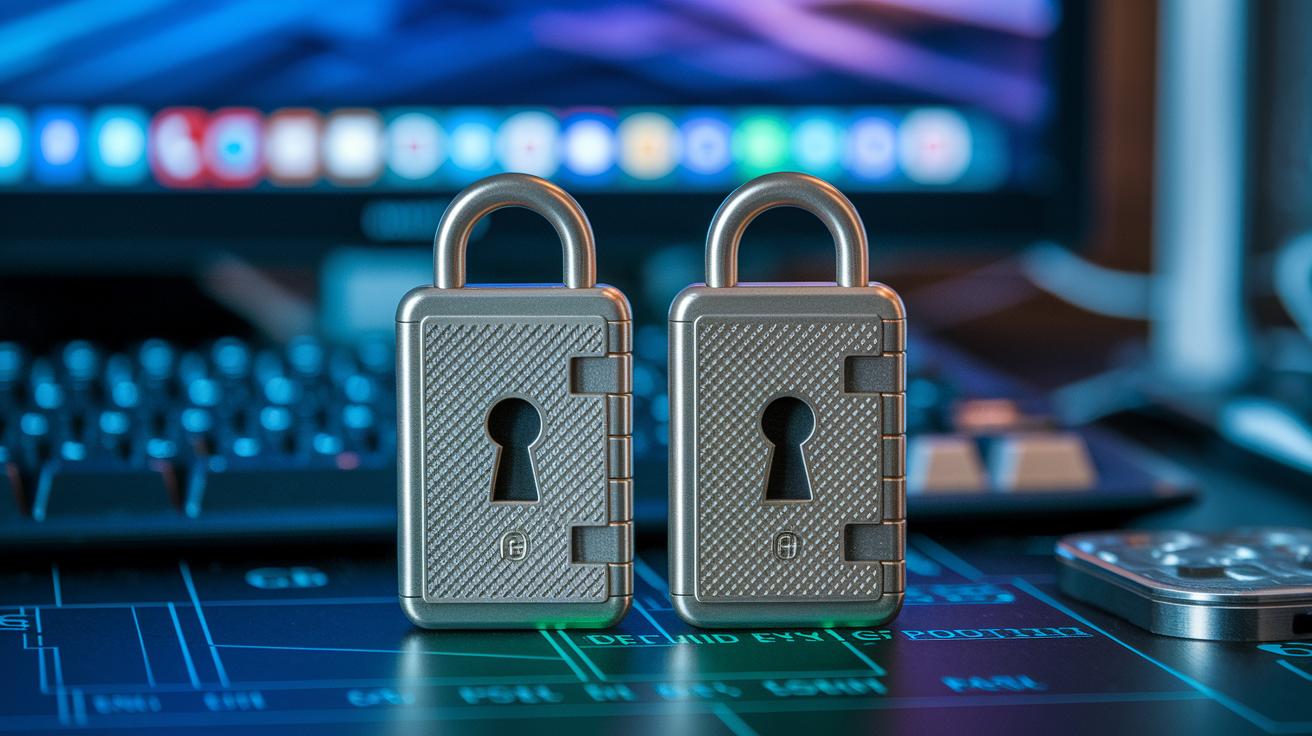
Symmetric encryption works like a trusty safe that uses one key to lock and unlock your data. It’s perfect for keeping lots of files secure, imagine stashing your favorite photos in a personal vault that only you can open.
Asymmetric encryption uses two different keys: one public to lock your information and one private to unlock it. Think of it as sending a secret note where only the person with the right private key can read it.
Good key management is at the heart of both methods. This means creating strong keys, storing them safely, handing them out carefully, and updating them as needed, like taking care of the keys to your home to keep everything secure.
In truth, even the best encryption can fail if keys aren’t managed properly. That’s why making sure each key is handled with care is key to keeping your data safe every step of the way.
Proven Encryption Data Protection Methods and Algorithms

Strong encryption methods are the heart of keeping digital systems safe. AES is the top choice, using keys of 128, 192, or 256 bits to lock your data up tight. Think of your data as treasure in a vault, and AES is the tough lock that only the right keyholder can open. Pretty neat, huh?
Triple DES works by adding layers of security, using three 56-bit keys one after the other. It's like putting three locks on your door for extra peace of mind. RSA uses big prime numbers (numbers that only divide by 1 or themselves) to build a tricky puzzle that only the matching private key can solve. And then there are Blowfish and Twofish, which let you choose different key lengths while working fast even when you have loads of data to encrypt.
Format-Preserving Encryption keeps your data looking the same while hiding it safely, just like keeping a phone number in the right format but under wraps. Then there's Elliptic Curve Cryptography (ECC). It offers solid protection with smaller keys so that things run really fast. Imagine ECC as a light, alert guard that helps your data zip through networks securely.
| Algorithm | Key Sizes/Characteristics | Typical Use Case |
|---|---|---|
| AES | 128/192/256-bit | Data at rest and in transit |
| Triple DES | Three 56-bit keys | Legacy systems and extra layered security |
| RSA | Public/private key pair | Secure key exchange and digital signatures |
| Blowfish/Twofish | Variable key lengths | High throughput, flexible data protection |
| ECC | Shorter keys, efficient performance | Fast, secure communications over networks |
Which algorithm you choose really depends on what you need, whether you're protecting stored files or making sure messages get through safely.
Best Practices for Implementing Encryption Data Protection

First, set clear safety goals and sort your data. Figure out which information is the most sensitive and needs extra protection. It’s a lot like drawing a simple map before starting your secure journey.
Next, pick encryption tools that match your data's value. Imagine choosing a vault that fits perfectly for your precious items. Make sure the software locks work smoothly both when your data is sitting still and when it’s zipping along.
When you add encryption to your current systems, try to keep it as smooth as possible. Plan in a way that doesn’t disturb everyday work, kind of like putting on an extra lock without having to change your whole door.
Managing your keys is super important. Here are a few friendly tips:
| Step | Action |
|---|---|
| Create Strong Keys | Use trusted methods to make keys that are hard to crack. |
| Secure Storage | Keep your keys in safe spots to stop unauthorized access. |
| Key Rotation | Change your keys regularly to lower the risk of them being exposed. |
| Audit Trails | Keep detailed records to track key use and changes. |
Also remember that encryption shines best when it works with other safety tools. It should team up with firewalls, security software on your devices, and VPNs (secure channels for data) to form a strong, layered defense. Ongoing training is key, too, when everyone on your team understands encryption, they’re all part of keeping things safe.
All of these steps come together like building a digital fortress. With thoughtful planning, careful choices, smooth integration, and regular management, you can protect your data every step of the way.
Compliance and Regulatory Standards in Encryption Data Protection

Regulatory compliance for encryption isn’t optional, it’s required by law. Rules like GDPR, HIPAA, and PCI DSS call for strong encryption for both stored data (data at rest) and data moving through networks (data in transit). Think of it this way: your digital files are treasures, and the rules say you need to lock them up in a safe that also keeps track of who opens it. This means you need solid key management, from creating secure keys to keeping detailed logs of their use.
It’s really important to match your encryption needs with these rules. For example, if a company handles medical records, it must stick to HIPAA standards to keep patient information safe. Compliance isn’t a one-and-done task, it takes ongoing checks and risk assessments. Regular reviews help spot any weak points in your encryption before they turn into serious issues. Keeping clear documentation of these reviews not only meets legal requirements but also builds a trail of accountability.
Missing the mark on compliance can lead to big fines and hurt your reputation, which can cost a lot more than investing in secure encryption practices. Companies should monitor their encryption policies carefully, much like a home security system that alerts you to unusual activity. This proactive approach not only creates a safer digital space but also assures customers that their sensitive information is protected at every step.
When the law changes, staying updated with new standards helps keep your encryption strategies effective and in line with privacy protections.
Enterprise Tools and Solutions for Encryption Data Protection

Organizations today lean on strong encryption tools to keep private data safe. Many companies use software that wraps files and messages in secure code (a method that scrambles data so only authorized people can read it). These enterprise tools are built to keep data locked up when stored, sent, or even backed up, almost like a digital fort in action.
Hardware security modules (HSMs) add another safety net by taking care of key generation and storage. Essentially, they safeguard the keys (the secret codes) so no one uninvited gets in, all while handling crypto tasks quickly. And cloud services aren’t far behind, they now include built-in encryption to protect data whether it’s sitting still or whizzing around online. Think of it like having a personal vault in the cloud that holds your keys safely.
Endpoint solutions step in by weaving encryption right into your computers and phones, so your data stays secure without missing a beat in your daily routine. Backup systems are giving encrypted archives a big boost, ensuring even old data remains safe. Picking the right tool often depends on how well it meshes with your current setup, how fast it works, and whether it’s a breeze to manage. It’s like finding the perfect fit for your toolbox.
Together, these tools build a layered defense system that not only protects key data but also keeps your business operations running smoothly. It’s all about balancing easy integration with top-notch security. With the right encryption solutions in place, you can confidently guard your digital assets and keep a competitive edge in our connected world, each tool working together to build a stronger shield.
Final Words
In the action, our blog explored how encryption data protection transforms sensitive data into a secure digital vault. We broke down the basics of symmetric and asymmetric encryption, reviewed leading algorithms, and shared practical best practices for maintaining strong security. We even covered regulatory standards and enterprise tools to guide your secure journey. Every step builds a robust framework for safeguarding information. With these insights, you're set to navigate digital transformation with confidence and protection. It's a bright future for secure, innovative online operations.
FAQ
Q: What is encryption and data protection?
A: Encryption and data protection refer to processes that convert your plain data into coded text (ciphertext) using algorithms and keys. This method keeps your sensitive information safe from unauthorized access.
Q: What are the types of data encryption?
A: The types of data encryption include symmetric encryption (using one key), asymmetric encryption (using a public/private key pair), and hashing (a one-way conversion), with some systems also exploring homomorphic encryption for advanced needs.
Q: What are the three types of data protection?
A: Data protection typically includes encryption (coding your data), backups (creating secure copies of data), and firewalls (blocking unauthorized access), all working together to secure your digital environment.
Q: What are some examples of encryption data protection and the algorithms used in cybersecurity?
A: Examples include AES (a global gold standard for encryption), RSA (for public-key methods), and Blowfish (known for its speed), all working to shield sensitive information from cyber threats.
Q: What are the GDPR encryption requirements?
A: The GDPR encryption requirements call for strong encryption methods and robust key management to protect personal data both at rest and in motion, ensuring compliance with strict privacy standards.
Q: What is asymmetric encryption?
A: Asymmetric encryption uses a pair of keys—a public key and a private key—to secure data exchanges, allowing you to safely share information without exposing your private key.
Q: How do encryption data protection software and tools enhance network security?
A: Encryption software and tools encode your digital data, forming a secure barrier that protects your network structure and sensitive information during data transfers.
Q: How does cryptography support network security and information privacy?
A: Cryptography secures communications by transforming readable data into unreadable code, which ensures that only authorized recipients can access and understand your information.