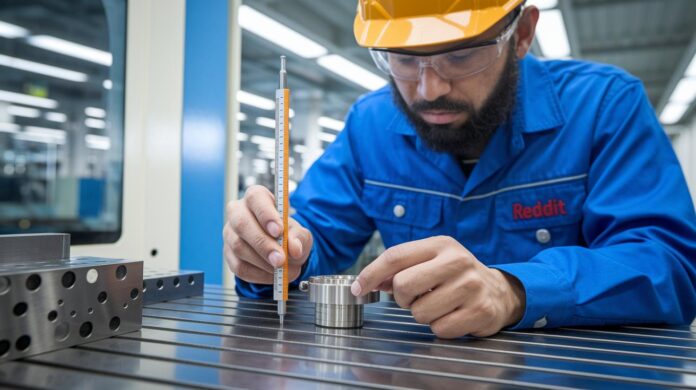

Ever wonder how small details make a huge difference in engineering? Think of it like tuning a favorite guitar, every tiny adjustment makes the sound just right.
Precision technology is the secret sauce behind products that work perfectly. Every micrometer measured (that’s a tiny unit of measurement) and every tool lined up just so turns wild ideas into real, dependable results.
These smart solutions take complicated plans and turn them into trusted products that help big fields like space travel and hospitals run smoother. In truth, when you lock in on the little things, engineering becomes a lot more brilliant and reliable.
Precision Technologies Fuel Unmatched Engineering Brilliance
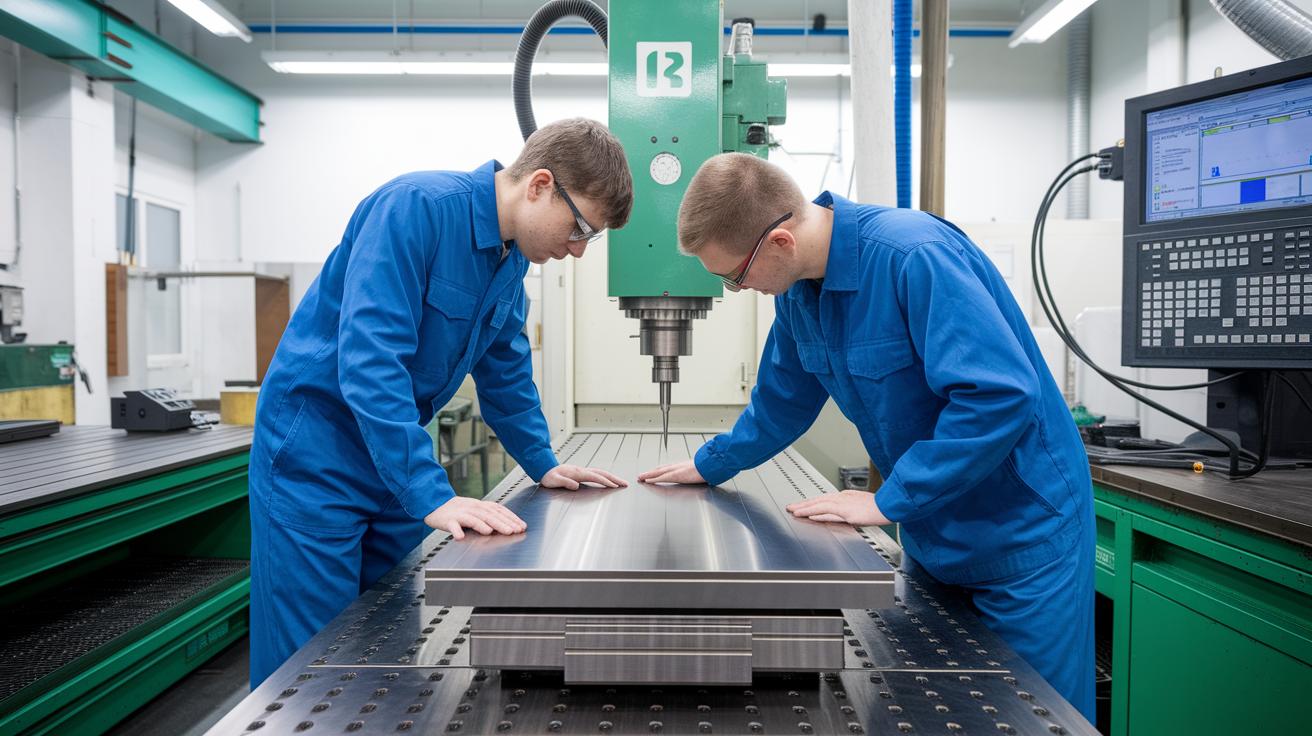
Benchmark Precision Technologies is a leader in offering manufacturing services that cover every step from the first design to full-volume production. That means from the initial sketch to the final assembly, every part is handled with close attention and clear precision. Each product is made using proven methods and simple, consistent steps that you can trust. When you choose their service, you’re tapping into a mix of fresh ideas and long-tested know-how.
Their machines work with great exactness. They can create surfaces so flat they’re within two micrometers (a super tiny measurement) and keep parts perfectly aligned while meeting strict vacuum standards needed for equipment like semiconductors. They use modern tools such as CNC machining (computer-guided cutting tools) and metal-joining methods in very clean rooms. At each stage, careful torque measurements and quality checks make sure every component exceeds high-precision expectations.
Today, many industries rely on parts made with advanced accuracy for top performance and trustworthiness. Whether the need is for semiconductors, aerospace, defense, or medical devices, success comes from parts built to meet the toughest standards. By turning complex designs into real, high-quality products, precision technology shows its worth in today’s competitive market. This full commitment to technical excellence and a step-by-step approach is why detail-focused manufacturing is so important now.
Precision Engineering Processes and Measurement Tools
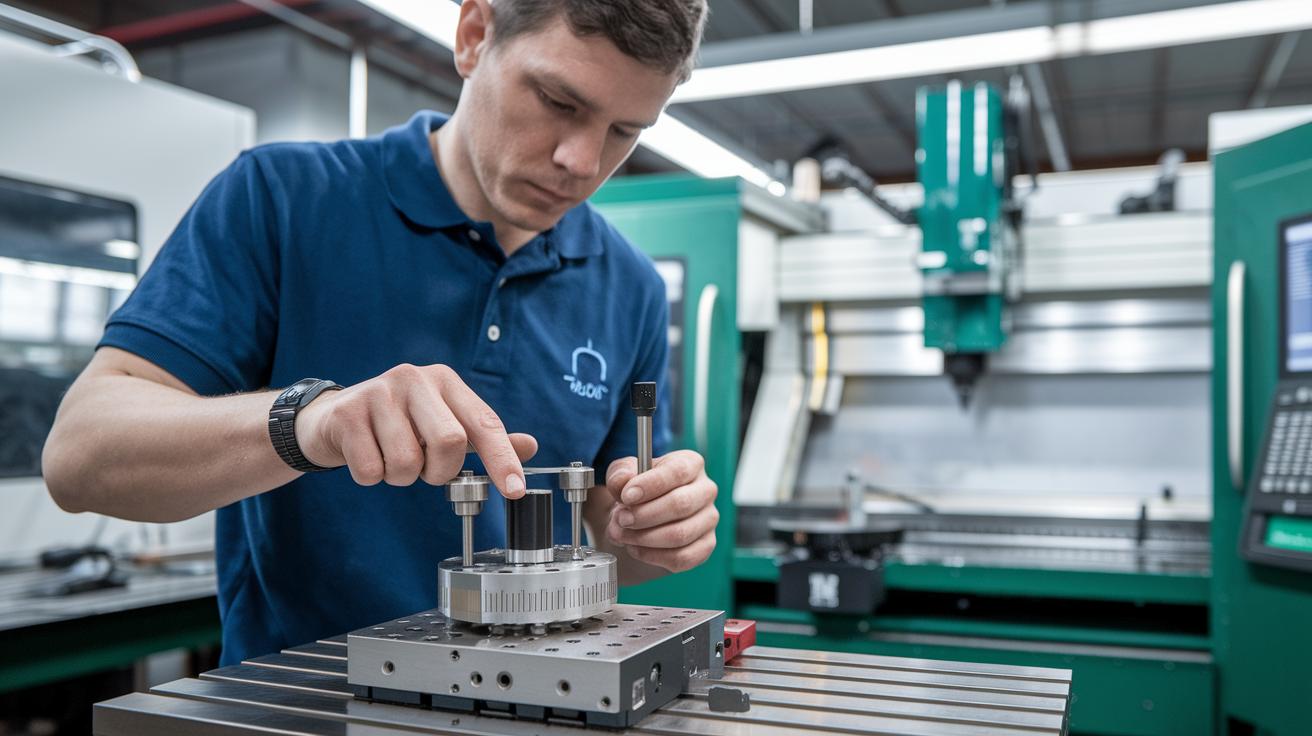
Precision tools help make parts that work perfectly in fields like aerospace and medical devices. Every fastener’s tightness is checked with tiny, fine measurements using special calibration methods to keep things on track.
Key precision processes include:
- Sensor calibration and alignment – Technicians start by taking a baseline reading, adjust the sensor, and then check that it’s working right.
- Micron-level CNC and EDM machining – They use high-tech machines to carve out details that are incredibly small.
- Torque verification and flatness testing – These tests ensure that every fastener holds the right tension.
- Environmental stress screening – Parts are put into different conditions like heat, humidity, and vibration to make sure they stay reliable.
- Mixed assembly and quality checks – Every assembly step uses precise measurement tools to keep quality consistent.
These careful checks and calibration techniques help streamline the manufacturing process by cutting down on rework and making sure every part meets exact standards.
Digital Control Integration in Precision Manufacturing Systems
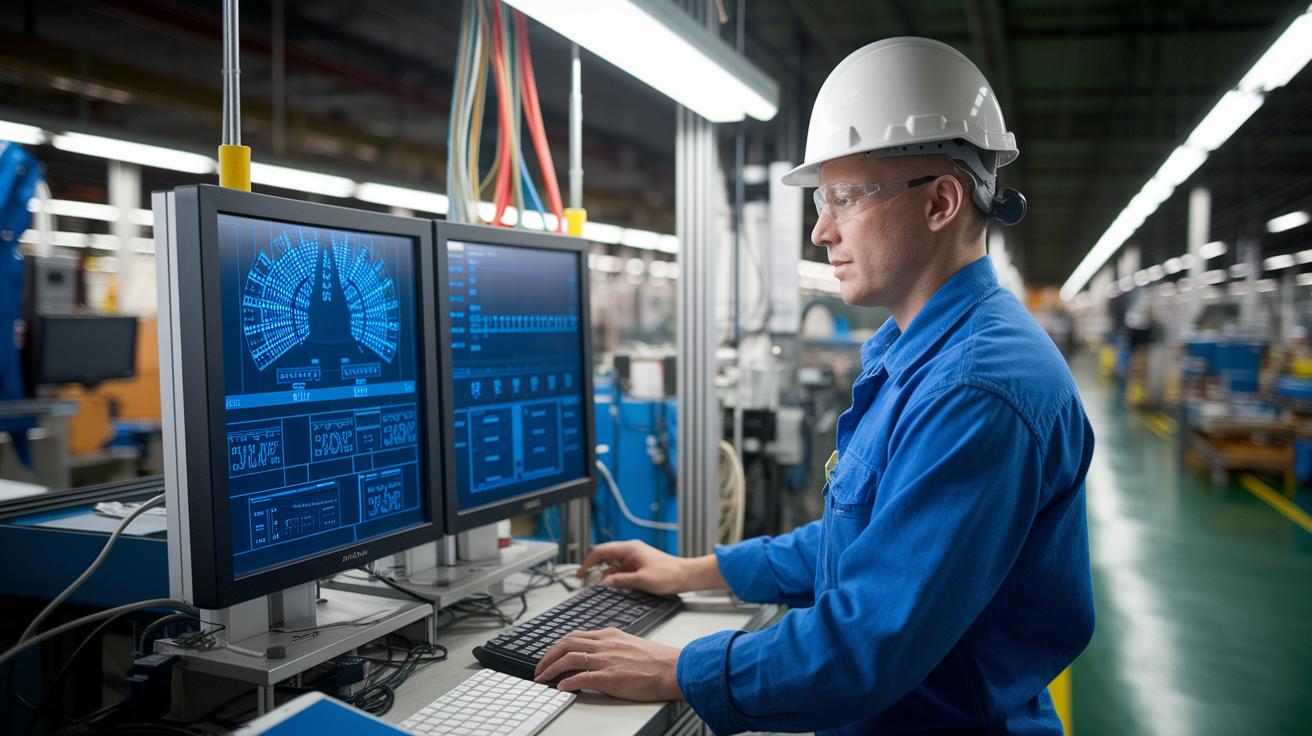
When digital control weaves its way into every stage of production, precision takes on a whole new meaning. Devices and sensors link up with network systems (tools that gather and send data) to offer live monitoring and fine-tuned control. Every piece of equipment, from machine tools to smart inspection units, joins the network to spot any change right away. This built-in system catches even tiny variations early, boosting reliability and lowering waste. It's like having a trusty sidekick keeping an eye on every digital signal to ensure smooth performance.
And then there's performance analytics software, which steps in to predict when maintenance might be needed and helps streamline production cycles. By using data from different points in the process, manufacturers get quick feedback that keeps things running like clockwork. This whole digital control setup makes the journey of digital transformation smoother, cutting down cycle times and scrap rates. With real-time data analysis, engineers can tweak settings on the fly to meet the strict demands of precision manufacturing.
Automated Assembly Robotics and Inspection Systems in Precision Technologies

In-house automation solutions are reshaping the way we build things. Mixed-assembly robotic cells move parts, small sections, and even full modules quickly and with great care. Imagine a group of robots gracefully dancing on the production floor, each step carefully programmed to minimize errors. Picture a robot gently placing a delicate sensor onto a circuit board, programmed to perfection, so mistakes become a rare occurrence.
Next, vision-guided inspection systems and mmWave test rigs (mmWave means high-frequency testing using special radio waves) take the lead in keeping quality in check. They measure parts with accuracy down to less than ±5 µm (that’s a super small measurement, like the width of a single hair). Think of a high-tech camera that scans each assembled module like a dedicated guardian, spotting tiny flaws before they move on.
Finally, robotics automation software pulls everything together by planning every toolpath, running quality checks, and recording essential data. It’s like a digital conductor guiding a perfectly timed symphony of movements. When all these smart systems work side by side, the manufacturing process becomes smoother, quicker, and much more reliable.
Digital Control Integration and Smart Sensor Networks for High-Precision Monitoring and Control
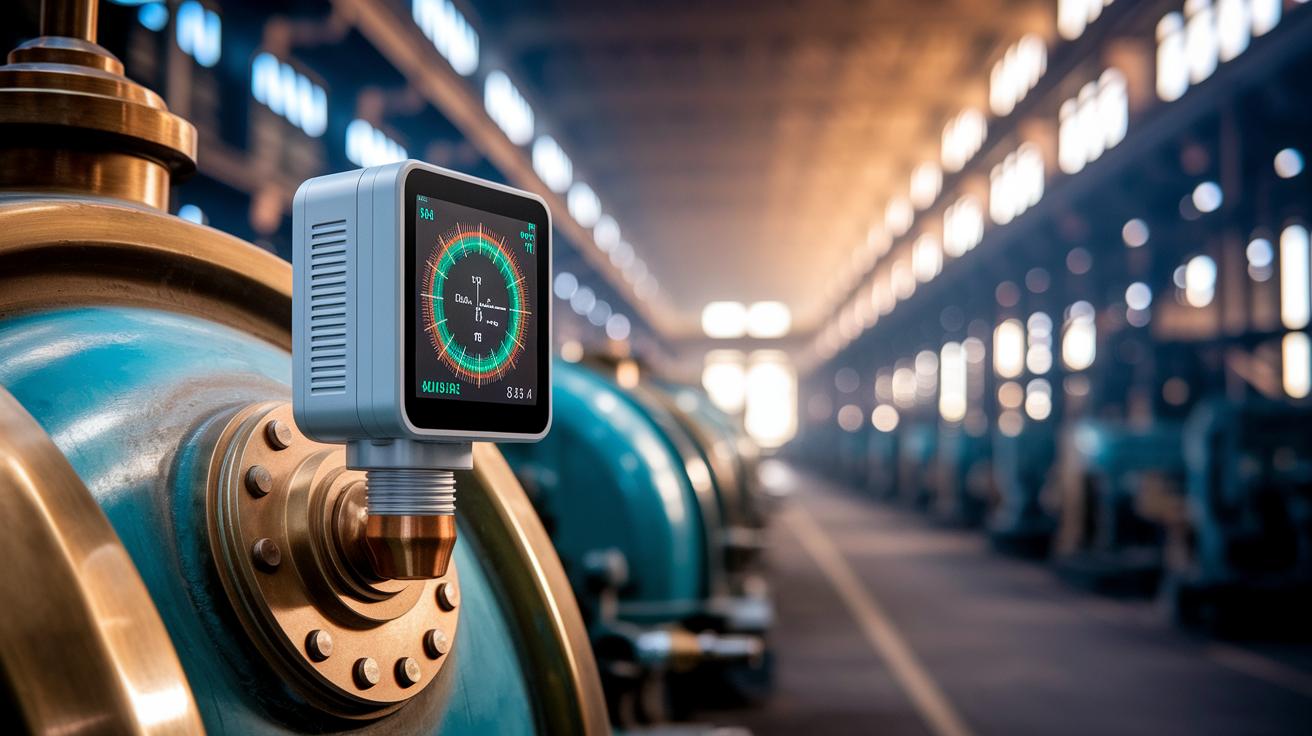
In busy, modern factories, smart sensors capture details like temperature, pressure, and vibration in real time. These sensors are carefully placed and set up (which means they’re fine-tuned for accuracy) to bring you quick, useful information, kind of like a chef adding just the right pinch of salt.
Wireless connections let these sensors send their data for local analysis (processing right where it’s gathered). So if a sensor notices a small drop in pressure, it’s like your smartwatch sending you a quick heads-up when something feels off, letting you check things before they turn into a bigger issue.
The information from these sensors flows into a control system that adjusts things like cutting speeds and tool positions automatically. Imagine an orchestra where every instrument keeps time perfectly, each sensor not only spots a change but also helps keep everything running smoothly and efficiently.
Quality Control and Standards in Precision Manufacturing
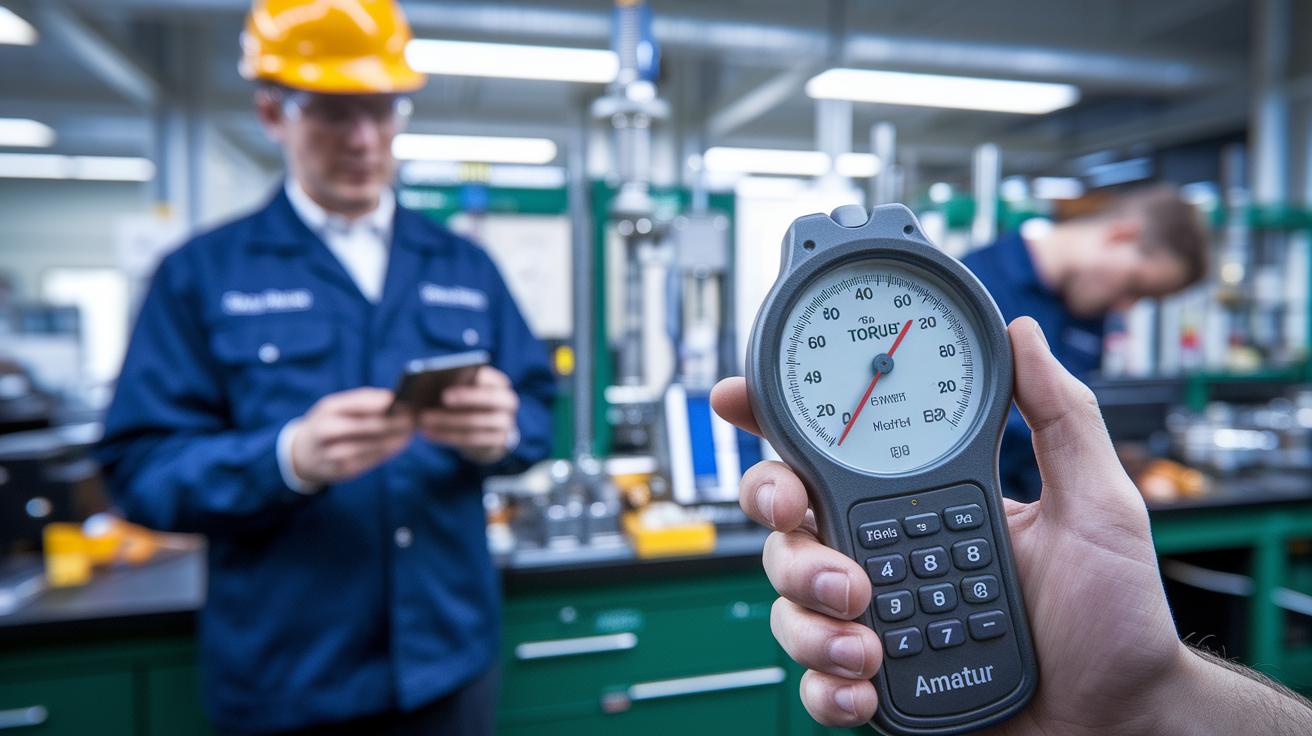
Precision manufacturing depends on smart, automated quality checks that use super precise measuring tools following rules like ISO and ASTM. Picture a digital gauge showing a clear torque reading; every value is double-checked by sensor calibration (a way to lock down your data) built right into the system.
Parts are tested under really tough conditions, like changing temperatures and even vacuum settings, while live performance monitors send updates straight to the engineering team. Imagine a part facing extreme hot and cold, much like a bridge handling different loads, this lets the team quickly adjust and keep everything running smoothly together.
Case Study: Benchmark Precision Technologies’ Vertically Integrated Workflow

Workflow Stages and Integration
Benchmark Precision Technologies offers a real all-in-one solution by guiding every step from early idea sketches to full-scale production. They begin by taking a close look at each concept, turning ideas into workable prototypes while making sure every tool and material is up to standard. Next, they work in clean rooms where they fine-tune sensors (that is, adjust instruments so they measure just right). This method keeps everything in check during production so each part is tracked with great care.
Advanced Manufacturing Capabilities
Their manufacturing process really shows off precision in action. They use super-accurate machines like CNC (computer-guided cutters) and electrical discharge machining along with metal joining and mmWave testing. PCB assembly lines and checks for proper torque make sure quality is built into every product. And with smart assembly robots lining up even the tiniest components, everything fits together perfectly. This mix of modern tech and trusted methods keeps their process smooth, reliable, and top-notch.
Global Facilities and Supply-Chain Management
With key locations in Penang, Mesa, and Concord, Benchmark makes it easier to streamline production and cut down on delivery times. Working from several sites also helps lower shipping costs by getting products closer to where they’re needed. They even run in-house tests and use smart sensor networks (tools that track important details) to keep an eye on every critical part of the process. In the end, their fully integrated system reliably produces high-quality products. This setup shows how putting every step together under one roof can boost both efficiency and excellence in precision manufacturing.
Industry Applications and Future Trends in Precision Technologies

Industries today are turning more and more to precision tech to meet the high demand for parts that work flawlessly. For example, in semiconductor equipment, parts are vacuum-sealed and built to within plus or minus 2 micrometers (that’s super precise). In aerospace, companies use state-of-the-art techniques for lining up shafts and crafting stronger alloys. Medical gear gets a boost from high-resolution optics and metal joining that’s fit for surgery, while farms are now using aerial images and smart irrigation systems to help their crops thrive. It’s clear: precision technologies aren’t just handy, they’re shaping the future of manufacturing.
Research shows that the coming years will be all about smarter controls and better quality checks. Many companies are working on small improvements that add up to big gains in efficiency and quality. They’re putting their money into digital sensor networks and data systems that can tweak things in real time. It’s pretty cool when you think about it, engineers are even using new tech trends (imagine that next-gen twist on everyday tech) to predict what’s next and make their processes even better. These innovations don’t just boost efficiency, they set a whole new standard for quality.
| Industry | Application Example | Key Precision Technologies |
|---|---|---|
| Semiconductor | Vacuum-sealed parts built within ±2 µm tolerances | High-precision machining and sensor calibration |
| Aerospace | Modern shaft alignment and breakthrough alloy engineering | Advanced control systems and precise alignment |
| Medical | High-resolution optics and surgical-grade metal joining | Automated quality control and fine-tuned assembly |
| Agriculture | Smart irrigation powered by aerial imaging analytics | Digital sensor networks and optimized processes |
Final Words
In the action, we dove into core aspects of digital control integration, smart sensor networks, and advanced assembly robotics. We saw how quality control and seamless manufacturing workflows drive efficiency from design through production.
Every piece, from technical metrics and sensor calibration to the case study and industry applications, showed how precision technologies empower reliable and innovative growth. With this blend of secure digital innovation and clear processes, the future of manufacturing looks both strong and promising.
FAQ
Precision Technologies Pune
The query about Precision Technologies Pune refers to the company’s regional presence, highlighting its advanced manufacturing services provided in or near Pune for local clients.
Precision technologies reviews
The reviews for Precision Technologies showcase customer satisfaction with its high-precision manufacturing and innovative solutions that consistently meet strict quality standards.
Precision Technologies Glassdoor
Precision Technologies Glassdoor reviews offer insights into the company culture, work environment, and career opportunities as shared by current and former employees.
Precision Technologies careers
Precision Technologies careers provide opportunities in advanced precision engineering and manufacturing, where skilled professionals join to drive innovation and ensure exceptional quality.
Precision Technologies NJ
Precision Technologies NJ refers to the company’s New Jersey branch, delivering high-precision services and supporting regional clients with state-of-the-art manufacturing solutions.
Precision technologies address
The term Precision Technologies address typically points to the company’s official location or contact details, which are available on their website for clients and partners.
Precision technologies salary
Precision Technologies salary details are discussed on career platforms, demonstrating competitive compensation aligned with advanced roles in precision manufacturing and technology.
Precision Technologies linkedin
Precision Technologies LinkedIn page is a hub for company updates, professional networking, and insights into the latest innovations and career opportunities in precision engineering.
Who is the CEO of Precision Technologies?
The inquiry about the CEO of Precision Technologies highlights the top leader responsible for guiding innovative strategies and overseeing advanced manufacturing operations.
What is precision technology?
The question about precision technology defines it as a field focused on achieving micron-level accuracy in engineering processes, using sophisticated systems to meet exacting industry standards.
Is precision a good company?
The question of whether Precision is a good company is answered by its reputation for excellent quality control, innovative approaches, and a strong commitment to customer satisfaction.
What kind of company is precision?
The query about the type of company Precision describes it as a leader in advanced manufacturing, known for integrating digital controls, high-accuracy processes, and automated quality checks.