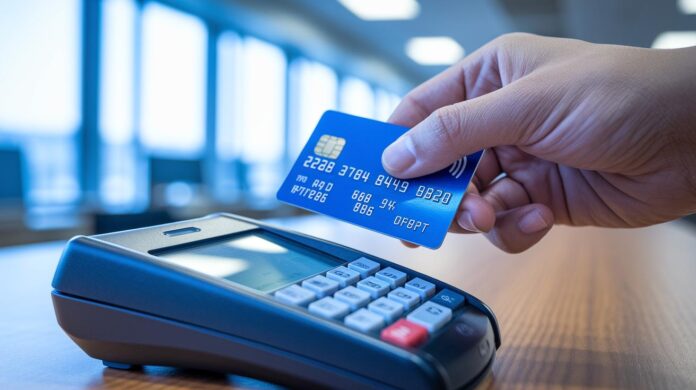

Ever wondered if your online door is really as safe as it looks? Smart card technology uses a tiny, built-in chip to guard your personal data, much like a strong lock on your house. Instead of the old, clunky methods, these cards mix simple math tricks (think of it as a quick puzzle) with sleek design to make sure that only the right code can open your digital world.
In this article, we explore how smart cards offer a smooth, secure experience and why they might be the future of protecting your online identity.
Implementing Smart Card Authentication Technologies
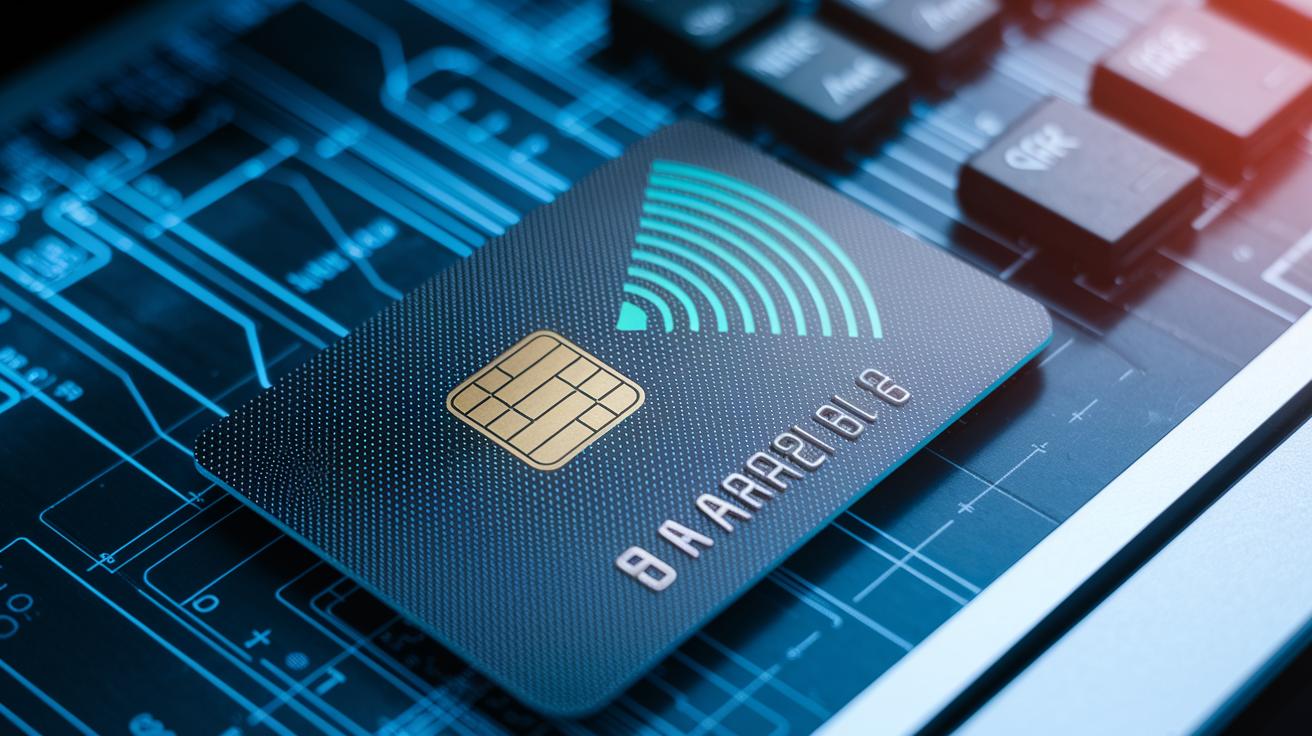
Smart card authentication uses a physical card with a built-in microchip that stores and processes your data for secure digital ID. This chip-based system not only controls access safely, but it also works with extra security measures, making it a key part of multi-factor protection. There are two main types: contact cards that need to be inserted into a special reader and contactless cards that use radio frequency (RF, which lets you simply tap your card so your data transmits securely).
At the heart of these systems is a microprocessor chip. This chip runs important cryptographic tasks (simple yet effective math tricks that lock your data) to handle encryption and manage security certificates. So when you join a secure system, your smart card talks to the reader using these secret codes instead of relying on things like fingerprints. This makes stealing or copying the card almost impossible.
Think of it like this: the smart card is your ironclad lock that only opens with the right coded key. This clever design makes checking who you are much easier by replacing several gadgets with one secure solution, and it fits perfectly with existing setups. Ultimately, it gives you a strong, dependable base for digital security.
Cryptographic Chip Protocols in Smart Card Systems

At the heart of digital security is how smart cards lock down your secrets. In Windows 8 and 10, virtual smart cards lean on the Trusted Platform Module (TPM, a secure chip that acts like a card reader) to work just like a physical one. This means they use the same simple, safe methods, imagine a bank vault that only opens with the right secret code, where the vault is protected by TPM and the code is your PIN.
The TPM holds your private keys tight so they can’t be copied, and even if someone tries to grab your data, all they get is scrambled mess. Hardware-based key storage teams up with smart, advanced encryption (a way to scramble your data) to build a security setup that’s like an unbreakable safe with a fresh combo every time. And the best part? You only need to punch in a simple PIN for quick access, whether you’re using a physical smart card or its virtual twin.
These robust security rules keep your digital identity safe behind layers of secret codes and clever encryption. It’s a design that mixes top-notch security with everyday ease, so whether you tap a card or type in a PIN, you enjoy a fast, secure experience.
Contactless Verification Methods in Smart Card Authentication

Contactless verification is a fast and easy way to check your identity without needing to slide a card into a machine. With NFC-enabled checks (that’s near field communication, a safe radio signal), your information travels wirelessly to a reader. It’s like tapping your smart card at work and unlocking the door with a friendly tap, quick and secure.
This method also uses RFID (another secure radio system) to make sure your data goes safely from your card when you’re nearby. Your details are stored in tough little chips that scramble the info, so even if someone tries to listen in, they can’t use it.
Since there’s no need to insert the card, it lasts longer and the check-in process is smoother. It works great in busy places too, keeping everything moving quickly and safely.
Integrating Smart Card Authentication with Existing Systems

Smart card systems now easily join both on-site and cloud setups by using certificate processes (like digital keys) and automatic management features. They help companies lock down digital identities while keeping things smooth for users. With legacy integration, you can gradually update older systems without a full overhaul. And middleware works as a friendly bridge between longtime applications and today’s security methods, bringing in features like password-free trust and one-tap logins.
Cloud RADIUS tools manage both Wi-Fi and wired network connections to keep them secure. It’s important to test that all parts, whether old hardware or the newest cloud tools, work well together. This careful testing helps avoid disruptions and makes sure every device meets tough security rules. Sometimes, even a small tweak in settings makes a big difference, kind of like tuning a musical instrument for just the right note.
Companies should take things step by step. Start with small tests that check certificate systems and build trust using public key methods. As smart card solutions merge with middleware, you get a unified way to handle logins that boosts overall digital security. This blend of trusted older practices and agile, modern methods keeps systems strong and secure in today’s fast-changing tech world.
A handy tip is to run thorough tests across different operating systems and network setups. This not only helps spot any weak security spots but also makes for a smoother overall integration experience.
Smart Card Authentication Technologies: Empower Digital Security
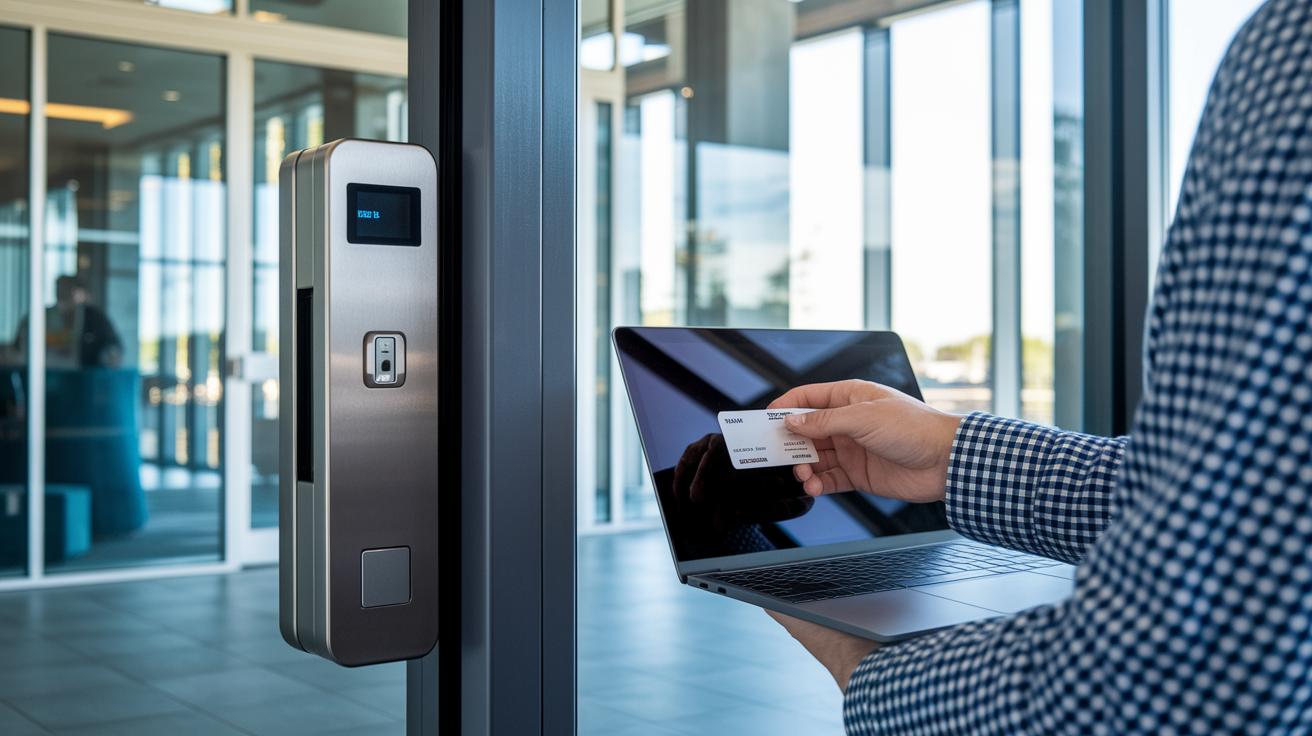
Smart cards play an important role in everyday life, whether you're unlocking a bank account or opening an office door. These cards help build secure systems that keep your digital world safe. For instance, many banks use smart cards to protect your savings account login, making sure that only you can see your private details. Companies even use them to control door access in government and corporate buildings, blending online identity with real-world safety.
They’re not just for banks or offices. Many companies use smart cards so you can easily join a secure Wi-Fi network. Health insurance sites use them too, making it quick and reliable to prove who you are. This keeps things simple and safe.
Here are a few ways smart cards are used:
| Use Case | Description |
|---|---|
| Secure Desktop Logon | Using certificates (digital keys) to keep your computer secure. |
| Remote VPN Access | Helping employees securely log in from home. |
| Multi-Factor Setup | Combining smart cards with extra steps for added security. |
| Non-Human Identities | Allowing automated scripts and APIs to work securely. |
These examples show that smart card technology is not just for classic environments. It now touches mobile access and enterprise identity solutions, too. Schools, from elementary to large institutions, use smart cards to easily manage digital identities. In truth, this technology is paving the way for a smooth digital transformation.
Smart card solutions continue to adapt to a wide range of needs. They offer a flexible and robust way to verify who you are and control access safely and simply across many settings.
Security Benefits and Challenges of Smart Card Authentication

Smart cards help keep fraud at bay by using a secure chip that is very hard to copy, skim, or tamper with. Think of this chip like a mini safe that only opens with the correct secret code, making it tough for any fraudsters to break in.
They also play a big part in multi-factor authentication. In some systems, a smart card works with up to 20 different checks to confirm your identity. So even if one lock is bypassed, several others are there to guard your data. Imagine having to open several locked doors before you get inside, that’s how layered the security is.
But there are a few challenges too. Setting up these systems can be pricey because you need the physical cards, card readers, and special management software. Plus, you must follow strict security rules and regulations (like ISO 7816, FIPS 201, and GDPR, which help protect your info). It’s like owning a high-security system that needs constant care and careful management.
Future Trends in Smart Card Authentication Technologies

Smart card authentication is changing fast and making our digital world safer. New virtual smart cards will soon work on more devices, letting you use the same certificate on different systems. Thanks to improvements in chip making, companies are now creating tiny, energy-saving microcontrollers (small computers on a chip) that protect your data without taking up much space.
Modern security tools are also getting smarter by connecting with cloud-based trust systems. This means you get real-time checks that keep up with the latest threats. These tools help you sign in without a password and adjust security levels on the fly, so every interaction stays secure.
This tech shift not only makes things more secure but also friendlier to use. When smart card systems connect with mobile credentials, you get a neat, intuitive experience that feels both modern and reliable. In time, these smart card solutions will keep growing to meet new security challenges, ensuring that every digital access point stays well protected.
Final Words
In the action, we explored smart card authentication technologies, diving into both contact and contactless methods, cryptographic chip protocols, and real-world use cases.
We examined how these systems blend secure electronic identification (a fancy way to say safe online ID) and advanced encryption techniques to boost business growth.
Our discussion highlighted integration strategies with existing systems while considering future trends that promise even more efficient, secure operations.
Overall, our journey reveals a bright and safe digital future, powered by smart card authentication technologies that keep data protected and operations smooth.
FAQ
How does smart card authentication login work step-by-step?
The smart card authentication login works by reading the card’s chip (via insertion or tap), processing its encrypted data step-by-step, and verifying your identity through secure cryptographic checks.
What is an example of smart card authentication?
A smart card authentication example is when you insert a physical card or tap a contactless badge, and its encrypted data is processed to grant secure access to a system or account.
How does smart card authentication integrate with Windows Active Directory?
Smart card authentication integrates with Windows Active Directory by linking a digital certificate from your card to your AD account, ensuring secure identity verification through cryptographic mechanisms.
How is smart card authentication used in a web application?
In a web application, smart card authentication uses certificate-based validation where encrypted data from the card is checked online, enabling a secure and streamlined login process.
What does smart card certificate authentication involve?
Smart card certificate authentication involves storing a digital certificate on the card, which is used to verify your identity through encryption, combining hardware security with robust verification standards.
What are the different types of smart cards available?
The types of smart cards available include contact cards that require insertion into a reader and contactless cards that use RF or NFC technology for secure, wireless authentication.
What is the role of a smart card reader?
A smart card reader serves as the device that connects to your smart card, reading and transmitting the encoded cryptographic data for secure identity verification and access control.