

Have you ever wondered if your device could find you like hidden treasure? UWB (ultra wideband, a way to pinpoint distance using quick radio signals) makes it possible. It sends out little bursts to check distances with almost magical accuracy.
This smart tech helps devices know exactly where you are, even in busy or tricky spots. And when every second matters, UWB makes our digital world feel fast, smooth, and reliable.
Isn’t it neat to have a technology that works like a secret map just for you?
uwb technology Energizes Seamless Connectivity
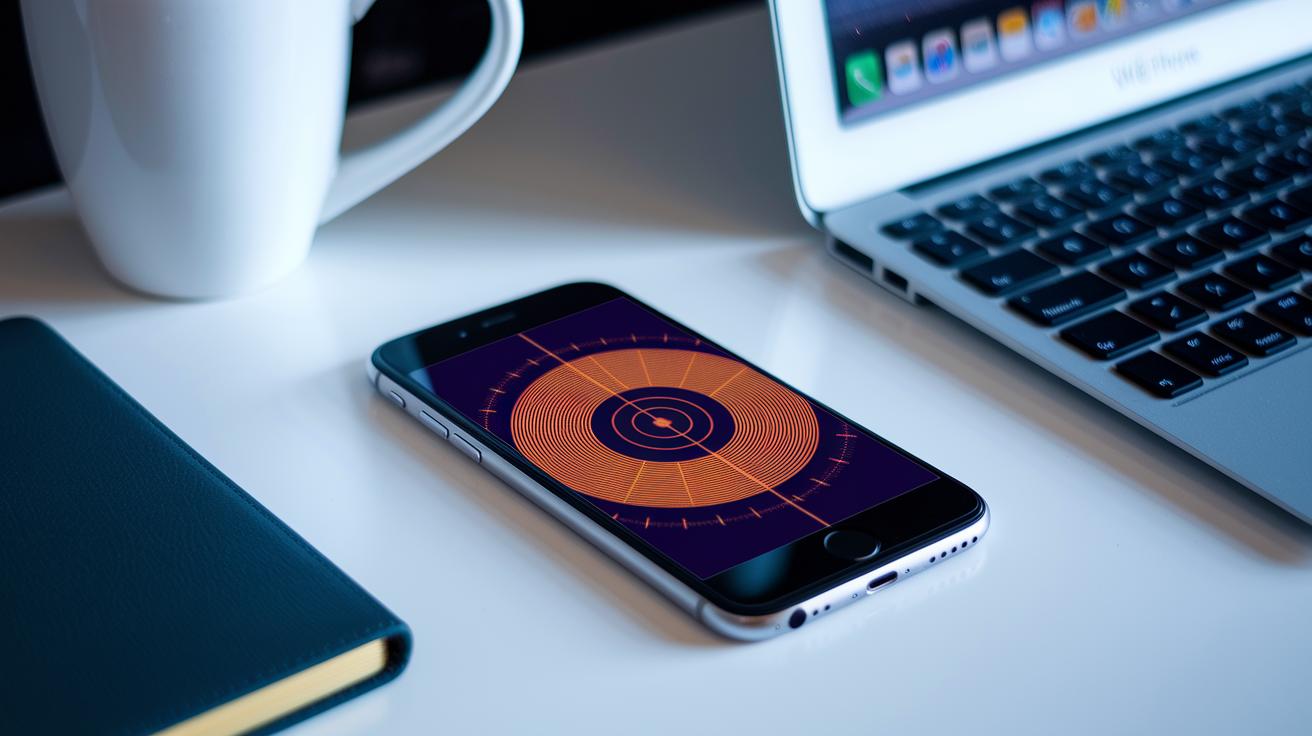
Ultra-wideband, or UWB, is a radio method that sends out very short pulses lasting only billionths of a second. It works over a wide range of frequencies, from 3.1 GHz up to 10.6 GHz, and uses channels wider than 500 MHz. This broad range helps UWB measure distances with remarkable accuracy. It calculates how long a signal takes to travel (time-of-flight, which is like timing a race) and figures out the signal's direction (angle-of-arrival, think of it as knowing where a sound is coming from). It’s like tossing a pebble into a calm pond and watching the ripples to see exactly where it hit, except here the "ripples" are fleeting radio bursts and the "pebble" is any connected device.
Imagine a system where finding your smartphone is as simple as spotting the last piece of cake on a plate. UWB can pinpoint locations down to a few inches, making it much more precise than traditional solutions like Bluetooth or Wi-Fi. It fires off billions of these tiny bursts that cut through background noise, allowing smart devices to quickly figure out their spot in even the most complex settings. In short, UWB powers a smoother, faster, and more precise digital experience every day.
UWB Technology Advantages: Why Wideband Trumps Other Wireless Solutions
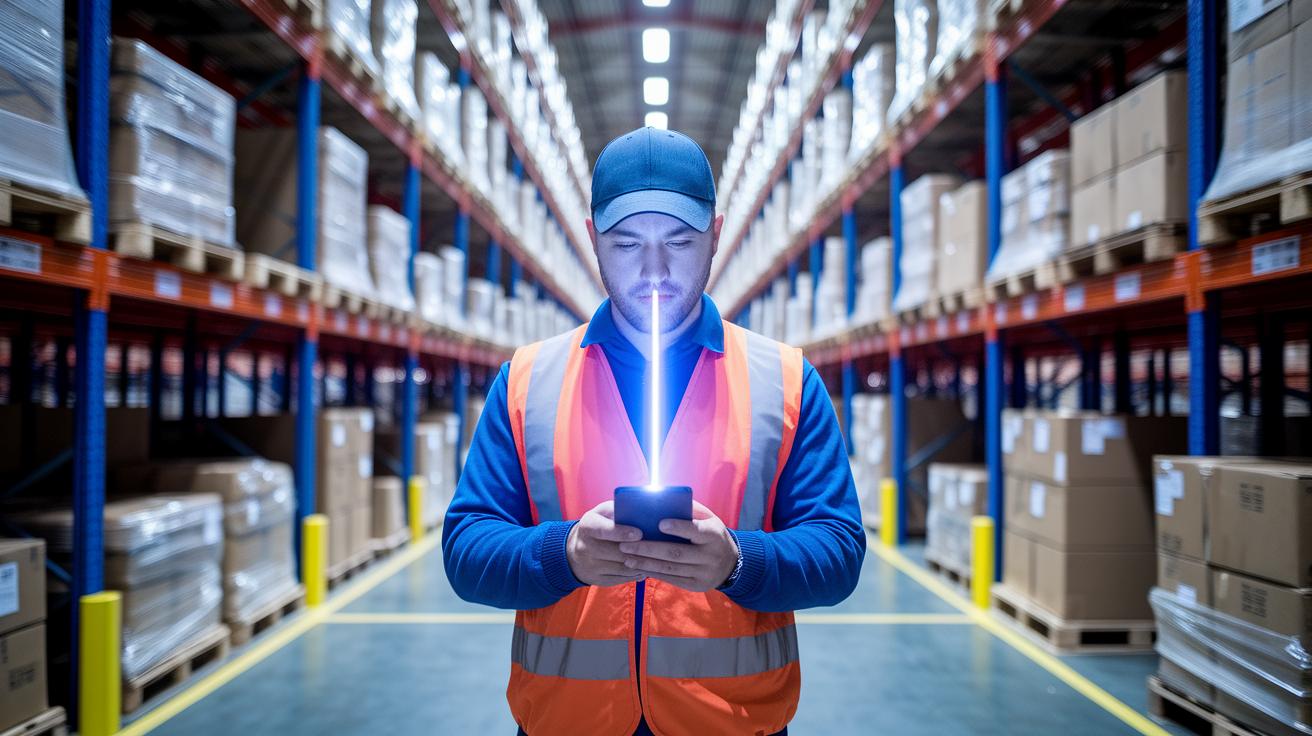
UWB is changing the game with a wide range of benefits. It can pinpoint indoor locations with an accuracy of just 10 to 30 centimeters, which is a huge leap from Wi-Fi’s 3 to 5 meters. Its ultra-short pulses cut down on interference, making sure you get clear, steady readings even when things like walls mess with the signal. In simple terms, whether the signal travels straight or bounces off obstacles, UWB stays reliable, even in crowded spots.
So, why is UWB quickly becoming the favorite compared to older options like Bluetooth and Wi-Fi?
- It offers high-precision tracking that finds objects almost like magic. Think of it this way: Imagine a delivery person who knows the exact spot of every package as if each one beamed its location like a tiny light.
- It works great even in busy areas full of other signals, whether you’re in a store or an industrial space.
- It uses power smartly thanks to its pulse-based design. This means your battery lasts longer while keeping the digital air clear.
- It sends data really fast and securely. Picture moving a file in the blink of an eye, with each beat of the pulse moving important details quickly between devices.
All these features come together to make UWB a strong, exciting choice for anyone who needs fast, accurate, and reliable wireless connectivity in our digital world.
UWB Technology Use Cases: Real-World Applications and Industry Impact

UWB is changing the game for industries by helping them keep track of their assets and movements in a really smart way. In warehouses and logistics centers, UWB tracking systems give pinpoint accuracy, down to just a few centimeters. Imagine a busy center where every pallet has a tiny tag that tells its exact spot, much like following a trail of breadcrumbs. This makes sure every package is in the right place and gets to the right destination fast.
Indoor positioning with UWB is also making life easier in offices, shopping malls, and transport hubs. Picture yourself in a crowded airport getting live directions to your gate, almost like someone drew a clear path just for you on your phone. This kind of help cuts down on long waits, eases stress, and controls crowd movement, especially when things get busy or during an emergency.
UWB is also a key part of keeping smart buildings safe and efficient by monitoring employees and visitors. Think of a retail map that updates live so store managers can see where customers are and even guide them around. In hospitals, UWB works well even in noisy settings to track essential medical equipment, ensuring that life-saving tools are always nearby when needed.
Beyond that, UWB helps streamline operations in factories and even improves visitor experiences in museums. For example, a manufacturing plant can use UWB to keep tabs on parts and equipment, reducing delays and boosting efficiency. Museums use it too, watching how people move around to ensure safety and create a more interactive, engaging visit.
- Smart tracking cuts losses and bumps up productivity.
- Indoor positioning with UWB makes navigation in tricky spaces a breeze.
- Smart homes get even smarter when UWB technology adjusts settings like lights and temperature as someone moves around.
Imagine living in a smart home that smoothly adjusts lights, temperature, and even your favorite tunes as you move from room to room, simple, smart, and secure.
UWB Ranging and Positioning Techniques: From AoA to TDoA
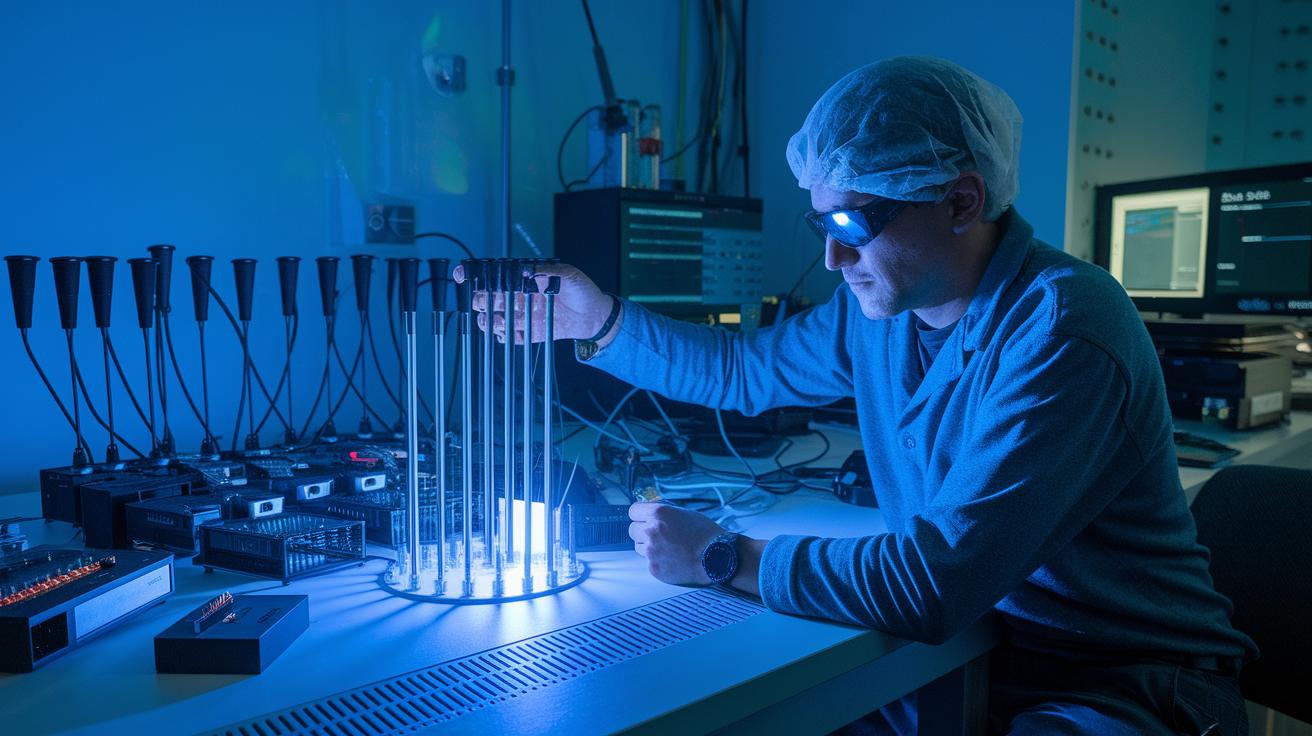
UWB systems have a few smart ways to pinpoint exact locations within a network. One common method is called Angle of Arrival (AoA). It figures out from which direction a signal is coming, kind of like a radar dish zeroing in on a distant sound. This method shines in busy spaces where knowing the exact direction matters.
Then there's Time Difference of Arrival (TDoA). This technique compares the tiny differences in when a signal reaches several receivers. Imagine a group of friends trying to tell where a loud clap of thunder came from by noticing who heard it first. TDoA is very energy-smart and works great in setups with multiple reference points.
Another neat approach is Two-Way Ranging (TWR). In TWR, two devices exchange signals to measure the time it takes for a signal to travel back and forth. It’s a bit like timing a round trip on a racetrack, offering reliable and precise results.
Lastly, the Phase Difference of Arrival (PDoA) method checks the differences in the phase (the detailed timing of a signal) when the signal is received. It’s particularly handy in situations where you can’t set up many receivers.
- AoA provides clear directional clues.
- TDoA scales well while using low power.
- TWR ensures accuracy by checking signals back and forth.
- PDoA works well where setting up lots of equipment isn’t practical.
Each technique brings its own mix of strengths and trade-offs. Whether it’s about complexity, power use, or pinpoint accuracy, UWB is designed to adapt to a wide range of environments and needs.
UWB Regulatory Standards and Market Trends Shaping Technology Adoption

New changes in the rules are making it easier to use Ultra Wideband (UWB) technology safely. For example, FiRa Certification 2.0 arrived in January 2025 to check that devices work securely and precisely. This check helps ensure that every UWB device stays both accurate and safe.
Over in Europe, ETSI lifted the duty-cycle limits in 2024. This means more indoor airwaves are now available. With fewer restrictions, manufacturers get more space to design smarter and energy-saving gadgets.
The market is looking bright too. Experts say the global UWB market could grow by about 18.9% every year. Revenue might jump from roughly US $2.0 billion in 2025 to around US $3.3 billion by 2028. It’s a clear sign that more people trust UWB tech, thanks to friendly rules and strong international standards.
| Regulatory Update | Impact |
|---|---|
| FiRa Certification 2.0 (2025) | Certifies secure and precise device operation |
| ETSI Duty-Cycle Removal (2024) | Frees up more indoor airwaves |
| Market Growth Projection | US $2.0B to US $3.3B (2025-2028) |
Future Horizons: Emerging Innovations and the Next Generation of UWB Technology
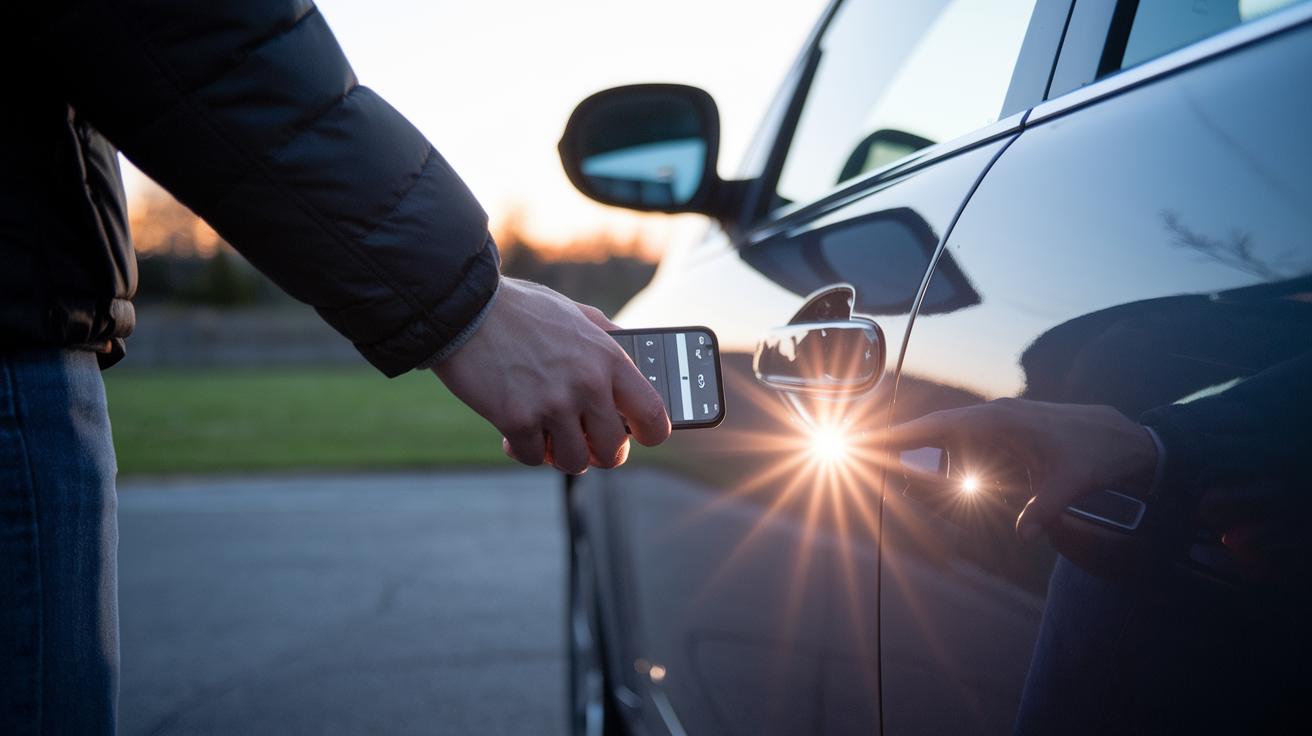
UWB technology is quickly shifting from a specialized tracking tool to a must-have feature in our daily gadgets. Imagine having a digital key on your phone, approach your car, and it unlocks automatically, almost like a futuristic movie scene. Devices like the Galaxy Z Fold3 show us that this smart convenience is no longer science fiction.
Innovations in UWB hardware are laying the groundwork for small, standardized modules that work smoothly in a range of devices. Developers are busy creating compact and reliable components that power these digital keys. Organizations like the FiRa Consortium are making sure that these modules can easily fit into your phone, smartwatch, or even a fitness tracker.
Looking ahead, wideband communication is set to enhance our digital lives even further with exciting augmented reality (AR) and virtual reality (VR) features. Picture using interactive AR maps that guide you through a museum with pinpoint accuracy. These emerging trends are opening the doors for more connected devices, turning UWB into an essential part of everyday smart experiences.
Final Words
In the action, we've traveled through the core principles and key benefits of uwb technology, discovering how ultra-wideband outshines older wireless protocols. We've navigated real-world uses from smart tracking to secure data exchange and delved into precise ranging and positioning techniques. We even peeked at regulatory updates and future innovations set to drive smarter, safer digital interfaces. This journey shows just how dynamic and reliable uwb technology is, lighting up the path for a digitally transformed, secure tomorrow.
FAQ
How do Samsung, iPhone, and other phones use UWB technology?
The UWB tech in these phones offers precise location tracking and secure connections. It supports features like digital keys and quick pairing, making device interactions faster and more secure.
What frequency does UWB technology use?
UWB uses the 3.1–10.6 GHz frequency band with channels over 500 MHz wide. This design ensures fast, secure communication with minimal interference.
How accurate is the UWB technology range?
UWB provides highly precise indoor positioning, typically within 10 to 30 centimeters. This means quick, pinpoint location tracking compared to longer-range options like Bluetooth.
What is UWB used for?
UWB is used for secure, real-time location tracking, asset management, and device pairing. It powers smart home features, digital car keys, and interactive retail setups in various industries.
What kinds of devices use UWB?
UWB devices include smartphones, smart tags, digital car keys, and asset trackers. They use short pulse radio signals to measure distances accurately and ensure secure connections.
How does UWB technology work in AirTag-type devices?
UWB in AirTag-like devices enables quick and precise item location. It helps pair these devices with smartphones, ensuring fast, secure tracking and a smoother user experience.
Should I enable UWB on my phone?
Enabling UWB can boost location accuracy and secure connectivity with nearby devices. Before turning it on, verify that your phone supports all the advanced features UWB offers.
Is UWB better than Bluetooth?
UWB offers superior pinpoint positioning and fast, secure data transfers. However, Bluetooth is still valuable for longer-range communication and lower data needs, so they often serve different purposes.
What is the disadvantage of UWB?
A drawback of UWB is its limited range compared to Wi-Fi or Bluetooth. This short-range design, along with the need for specialized hardware, might complicate broader adoption in some settings.