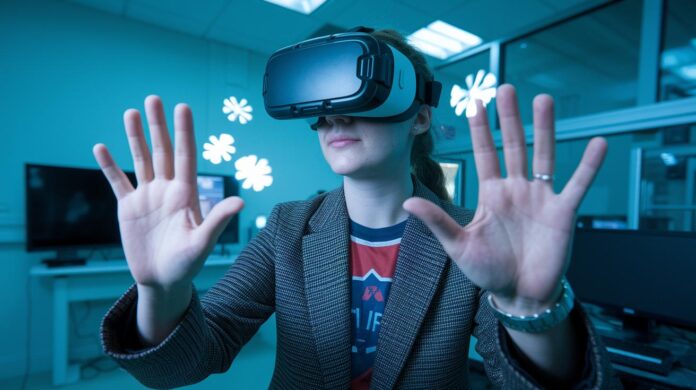

Ever notice how stepping into a digital world can change your everyday life? Virtual reality (VR, a tech that creates interactive, 3D worlds) lets you dive into experiences that seem almost real.
Imagine a world where clever, visual magic meets smart devices to give you a full-sensory adventure. In today’s fast-evolving tech era, VR isn’t just about gaming, it’s also reshaping the way we work, learn, and explore new opportunities.
Virtual Reality Technology Fundamentals and Overview
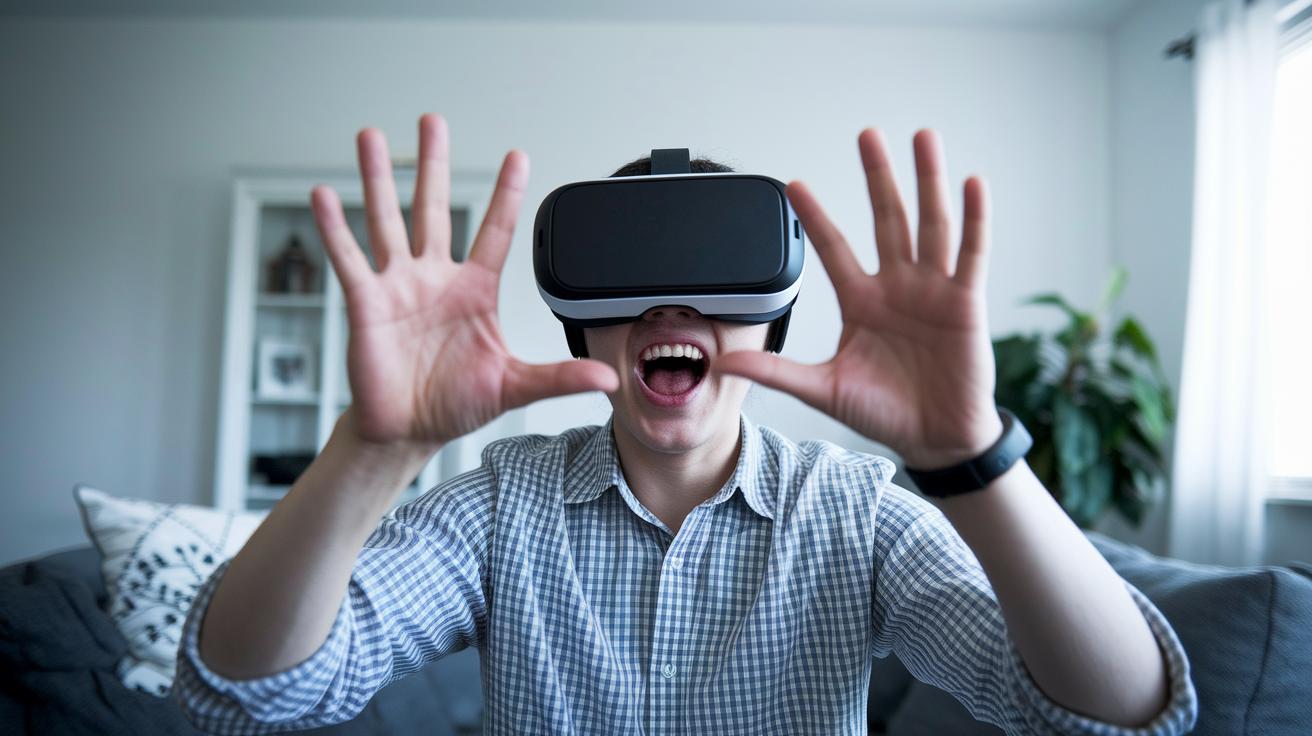
Virtual reality, or VR, is a computer-made world that completely pulls you in. It mixes cool gadgets and smart programs to trick your senses into feeling like you’re really there. Think of it like stepping through a door into a hidden realm where you feel a playful breeze, hear sounds all around, and see life in full three dimensions.
VR is part of a bigger idea called extended reality (XR). XR covers everything from watching a simple video on a screen to stepping into a fully immersive digital world. With non-immersive experiences, you see a simulation on your screen without really feeling part of it. Semi-immersive systems pull you in just a bit, while fully immersive VR wraps you up completely, engaging every sense.
So, how does VR trick your brain? It uses everyday visual clues like the slight difference in what each eye sees (that’s called binocular disparity) and the way objects seem to move at different speeds when you move your head (we call that motion parallax). Combine these hints with sounds that match what you see, and you get a scene that feels strikingly real.
Every detail, from clear images and sharp textures to perfectly timed audio, is carefully designed using simple science and smart tech. It’s like piecing together a puzzle, where every tiny bit makes the full picture feel real and exciting.
Hardware Components and Innovations in Virtual Reality Technology

VR gear has improved a lot. Today’s headsets, like the Meta Quest 3 (costing $499.99), feel lighter and comfier than those old, heavy models. They come with sharp, high-resolution screens and wide views that make the experience feel natural and immersive. Picture putting on a gadget so light it’s like wearing a smart pair of glasses. It’s pretty amazing how wearable technology has changed the game.
Lately, headset makers have focused on cutting the cables and boosting wireless streaming so you can wander freely in virtual worlds. They’ve designed these devices to look modern and work seamlessly. Every part is made to keep you comfy and avoid any headaches, making even long VR sessions feel as easy as a gentle stroll.
A big part of the magic is how well these headsets track your movements. Thanks to smart sensor fusion technology (which blends data from several sensors), your actions are captured with great precision and almost no delay. In other words, what you see on the screen moves with you in real time. Modern optical tracking systems now play nicely with controllers, hand trackers, and even treadmills, so every small gesture is recorded naturally.
And there’s more. Devices like scent generators add an extra layer of realism to the setup. They work together with the headset to deliver a fully immersive experience. Imagine a well-rehearsed team where every gadget, from controllers to specialized sensors, plays its part perfectly to create a lively, interactive world.
Software Platforms and Development Tools for Virtual Reality Technology
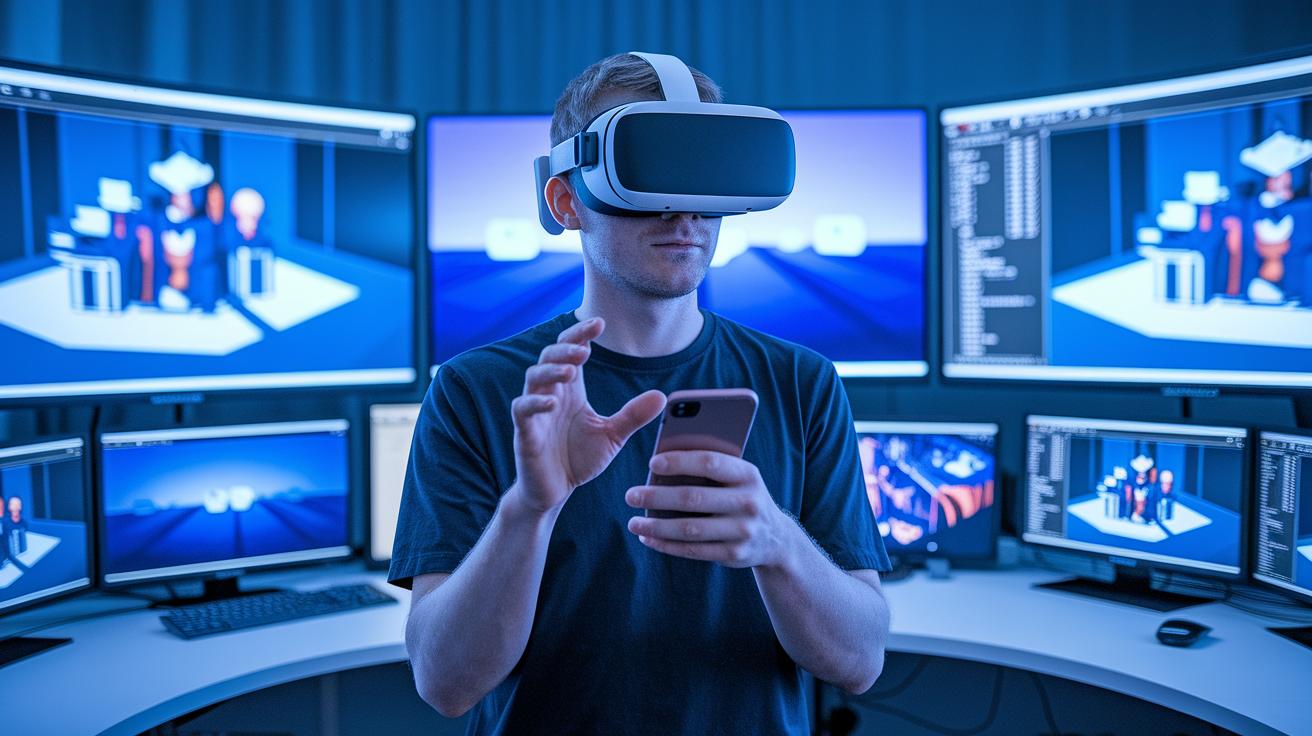
VR toolkits and game engines like Unity and Unreal help creators build immersive digital worlds. They use real-time rendering (quick drawing of images) and CGI to shape detailed 3D scenes. Imagine being in a virtual concert where every sound is perfectly placed around you, just like the live experience.
Developers mix spatial audio with multimedia tools to create experiences that tickle all your senses. Think of a scene that changes background music as you move, echoing the energy of a busy city street. This approach makes the digital world feel as lively as the real one.
Modern VR software is built on flexible designs. This means visuals, sounds, and user inputs all work well together. With the help of AI (artificial intelligence, which means computer brains that learn and adapt), virtual characters can change how they interact with you as you progress. It’s a bit like training with a coach who adjusts every move you make.
The tools and practices come from many fields like gaming, films, and even live shows, so every virtual experience feels natural and engaging. Even schools that teach VR skills add to the mix by showing how to master 3D graphics and interactions.
All in all, these evolving content tools let new developers create immersive apps with ease. By weaving together real-time engines and clever multimedia tricks, the world of VR stays on the cutting edge of innovation and creativity.
Applications of Virtual Reality Technology Across Industries
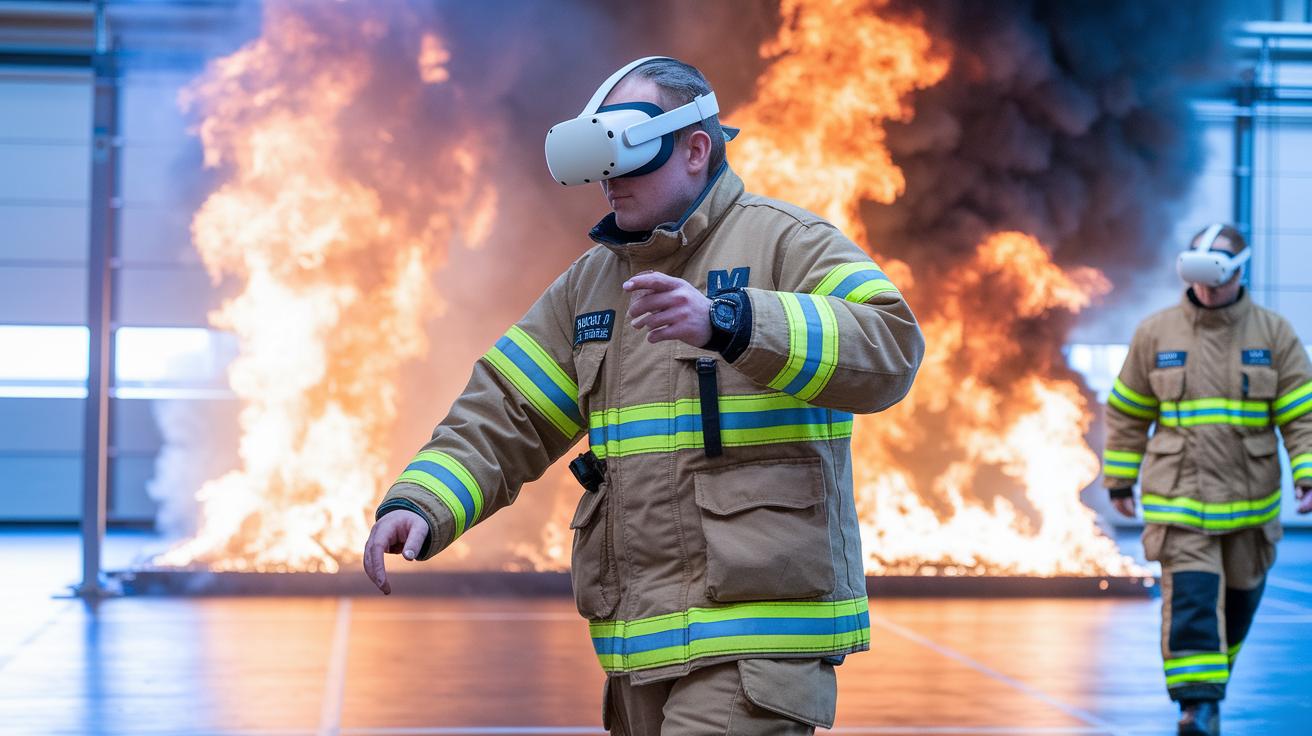
VR is shaking up a bunch of different fields. Companies are now using immersive training that lets firefighters, pilots, astronauts, and police practice real-life scenarios in a safe, controlled way. Imagine a firefighter stepping into a digital blaze, where every bit of simulated heat and movement prepares him for the real deal.
In schools, virtual reality turns classrooms into lively learning spots. Kids can interact with 3D models to explore science ideas or step back in time to experience historical events firsthand. One teacher even said her students love roaming a virtual ancient city, discovering history as if they were really there.
Healthcare is seeing big benefits too. Surgeons get to practice their techniques in realistic simulations before heading into an operating room. Even rehab programs use VR to create enjoyable settings that make the recovery process less dull. Picture a patient working out along a beautiful, virtual trail that inspires and motivates each step of the way.
Retail is also getting a fresh twist with virtual shopping spaces. Customers can try products in a 3D simulated environment, which helps them decide before buying and reduces the chance of returns. And on the work front, remote teams now use virtual workspaces that feel like a real conference room, making it easier for people around the world to connect and share ideas.
VR is clearly making a big mark across industries, driving digital change in fun and practical ways. With businesses investing in advanced training and learning modules, including U.S. industrial maintenance and training plans forecasted to hit $4.1 billion in 2024, VR is more than just new tech. It’s a friendly game changer that boosts efficiency and sparks fresh innovation.
Future Trends and Innovations in Virtual Reality Technology
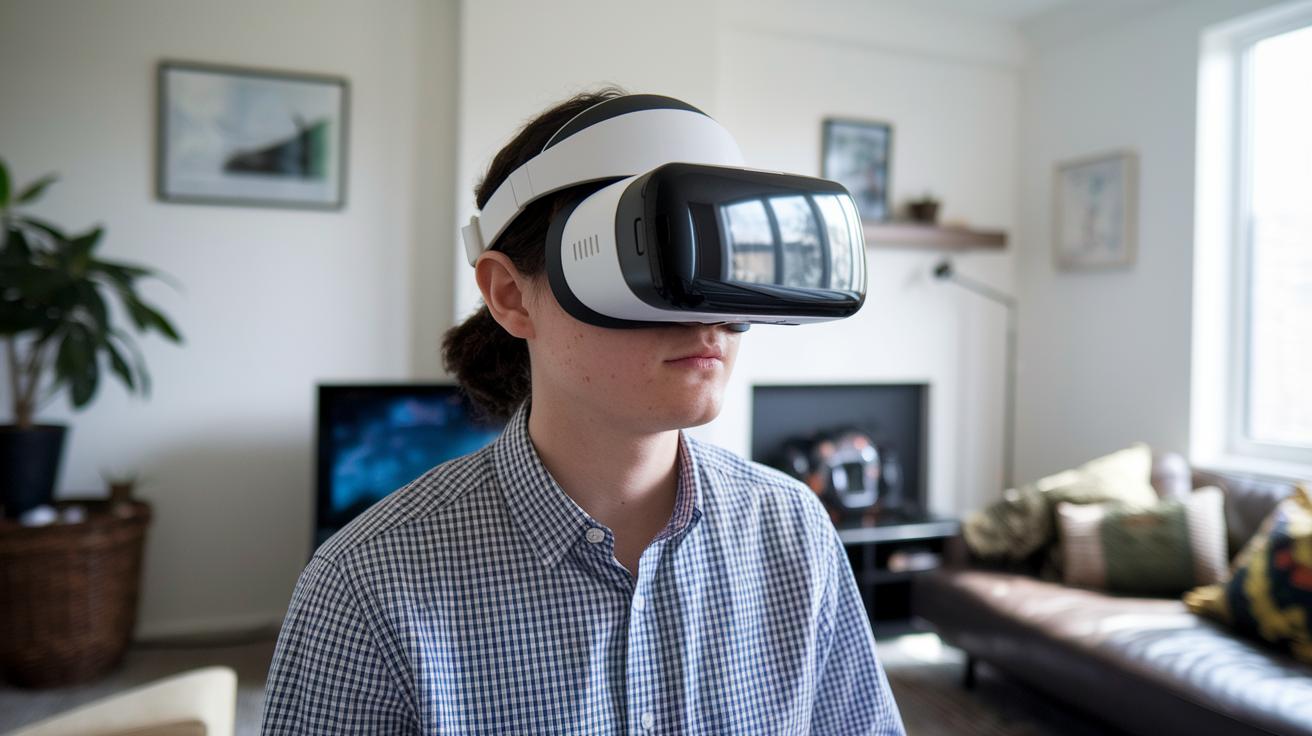
The newest VR headsets are changing the game. Picture a device about the size of your phone that can do awesome things. The recent Apple Vision Pro comes with super sharp screens, comfortable designs, and cool augmented reality features that set the stage for more natural mixed reality experiences. Imagine tapping on a sleek headset and instantly stepping into a whole new world, it’s like opening a secret door with just a whisper.
There are thousands of VR projects already taking shape. Many of these systems use smart AI (that’s computer intelligence which learns what you like) to adapt the virtual world to your behavior. One neat example is Omni One, a project exploring full-body immersion paired with enhanced haptic feedback (a way to actually feel digital objects). This shift is turning training and gaming into experiences that feel almost real.
Adoption of VR in businesses is growing fast. In fact, 13 out of 17 U.S. civilian agencies reported clear benefits in FY 2022–23. This shows how important it is to have flexible systems that work across different platforms. As companies push the boundaries of spatial computing (technology that understands and uses space), we’re on track for breakthroughs in simulation design that make virtual interactions feel as natural as chatting with a friend.
Mixed reality is truly at the heart of this evolution. Future platforms promise not just powerful hardware but also strong software systems that can grow with our needs. This blend of VR and AR is set to spark bold innovations, changing how we work and play in exciting new ways.
Challenges and Considerations in Virtual Reality Technology Adoption
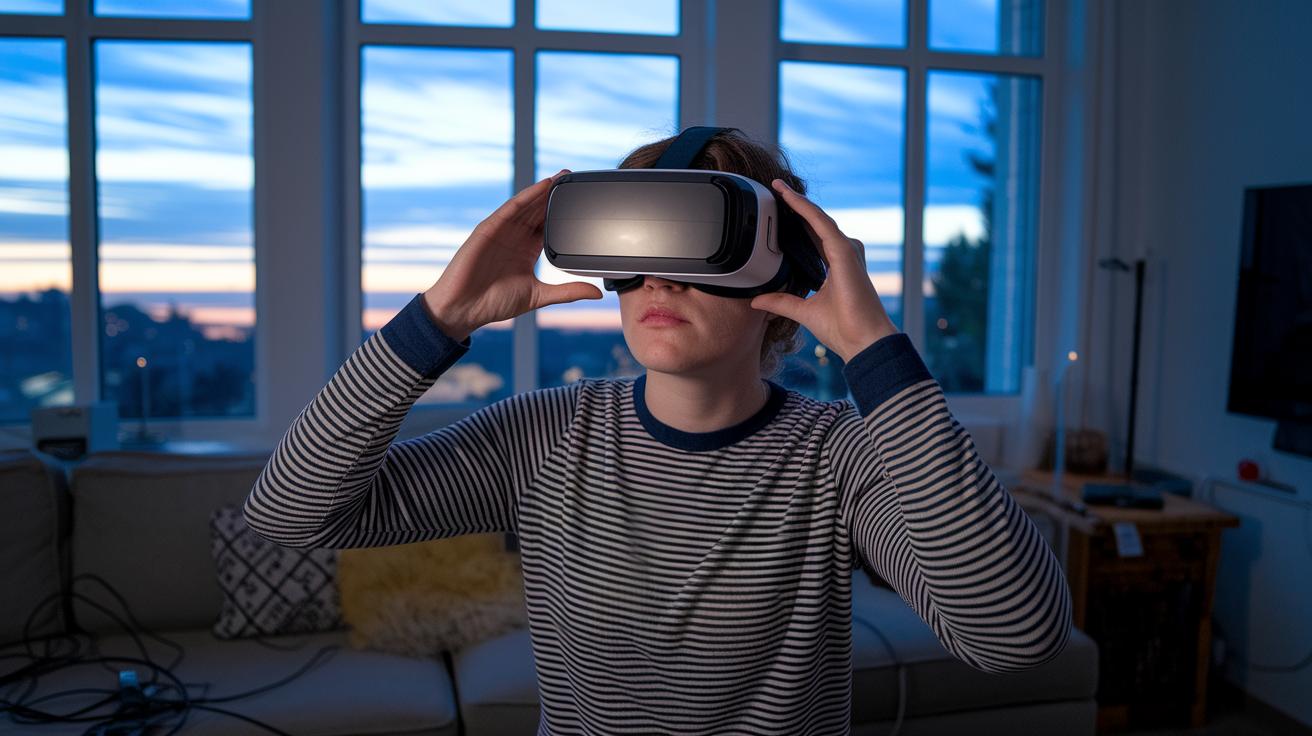
VR is a cool new world, but it comes with a few bumps along the way. Little technical hiccups, like delays (the tiny pause between your action and what you see) or misaligned sensors, can cause issues like slight nausea or headaches. It’s a bit like riding a bike with one wobbly wheel, a small flaw can really throw you off.
Then there’s the price. Getting started with VR often means a big initial cost, and finding the right balance between cost and performance isn’t easy. Imagine buying a high-end gadget that promises amazing results but comes with a steep price tag. It’s a common challenge for both big companies and everyday users.
We also need to think about some ethical questions. Many worry about being tracked or having their body data (like biometric details) collected, and these concerns bring up serious privacy issues. Ever wonder if your digital footprints are really safe from misuse?
Plus, sticking to safety rules and making technology easier on your brain (cognitive load reduction) are key to feeling comfortable long-term. If we overlook these, problems like overuse, feeling isolated, or losing that real human touch could increase.
Key challenges include:
| Challenge | Description |
|---|---|
| Technical glitches and sensor issues | Small delays or misalignments can disrupt the experience |
| High costs and performance trade-offs | Balancing quality with price is often a tough call |
| Data privacy and ethical concerns | Questions about tracking and personal data safety |
Addressing these worries is really important to keep VR evolving into a trusted, user-friendly technology. After all, making sure that tech feels secure and accessible helps everyone enjoy a smoother digital ride.
Final Words
In the action, our read covered virtual reality technology essentials: from immersive simulation fundamentals to breakthrough headset designs and robust software platforms. We explored real-world uses in training, education, and healthcare while touching on future trends and challenges that shape secure digital solutions. Each section illustrated how advanced engineering and thoughtful design transform everyday experiences into interactive digital journeys. We’re excited by the promise of safe, streamlined innovation that puts technology into the heart of business growth and a brighter digital future.
FAQ
Q: What are examples of virtual reality?
A: The virtual reality examples include immersive gaming, training simulations for firefighters and pilots, digital classrooms, and virtual showrooms. These experiences show how 3D computer simulations engage senses and boost interaction.
Q: What is a virtual reality headset?
A: The virtual reality headset is a wearable device that displays a three-dimensional digital world. It tracks head and hand movements, delivering a truly immersive experience with crisp visuals and responsive motion.
Q: What are the different types of virtual reality?
A: The types of virtual reality include non-immersive systems (like regular video games), semi-immersive setups (blending real elements with digital enhancements), and fully immersive environments that completely surround the user with interactive 3D content.
Q: What was virtual reality technology like in 2022?
A: The virtual reality technology in 2022 featured advanced headsets, improved sensor fusion for motion tracking, and untethered wireless streaming. These innovations made VR experiences smoother, more engaging, and accessible across various fields.
Q: How does virtual reality work?
A: How virtual reality works is by using computer-generated 3D simulations combined with head and motion tracking to create real-time images and spatial audio. This blend of hardware and software tricks your senses into a fully immersive digital experience.
Q: What is augmented reality?
A: The augmented reality definition means overlaying digital images or information onto the real world. It enriches your physical surroundings with extra details, bridging the gap between your everyday view and interactive digital content.
Q: What are virtual reality games?
A: Virtual reality games are interactive experiences where headsets and motion sensors create digital worlds that react to your movements. They allow players to step into a game, bridging the gap between physical actions and the virtual setting.
Q: What are the advantages of virtual reality?
A: The advantages of virtual reality include realistic training and educational simulations, interactive entertainment, and safe spaces for skill development. VR makes learning and practicing new tasks engaging, efficient, and accessible for various industries.
Q: How is VR being used today?
A: How VR is being used today spans training simulations, immersive education, healthcare planning, virtual workspaces, and digital retail experiences. This technology offers users hands-on, interactive scenarios that enhance practical learning and collaboration.