

Have you ever wondered why your personal data feels so precious yet a little at risk? Data protection experts act like friendly referees, watching over our personal information (details about you) to keep everything safe online. They check how companies handle our data and make sure everyone follows the rules. Think of them as a trusted friend who steps in when something seems off, working on their own to keep our trust intact. Ever curious how these digital protectors manage to balance control and safety? Keep reading to learn more about their important role in our busy online world.
Understanding the Role of a Data Protection Authority

A Data Protection Authority (DPA) is an independent office set up by a country, sometimes called a "national supervisory authority" under the GDPR (a law that protects your personal data). Think of it as a friendly guardian that makes sure data rules are followed. Every EU country has its own DPA, created by local laws, to keep data safe for everyone. If you're curious about what data protection really means, check out this guide: what is data protection.
DPAs work on their own, free from outside pressure, so they can do their job fairly. They act like a referee, watching over how personal data is handled. Sometimes, they inspect data practices, run audits, and take legal steps to fix issues. It’s like making sure everyone on the playground is playing by the same rules to keep things safe.
These authorities are like watchdogs, always keeping an eye on personal privacy. When something goes wrong, they jump in to investigate and guide companies on better ways to protect your details. Imagine having a trusted friend who steps in when something doesn’t seem right. This hands-on approach helps everyone feel secure knowing our personal information is well guarded.
Key Functions and Powers of Data Protection Authorities

Under Article 58 of the GDPR, data protection authorities have three key sets of powers: investigatory, corrective, and authorization and advisory. Think of them like three layers of safety that help keep our digital world secure and fair.
Investigatory powers let these authorities dig into issues by checking documents, running audits, and thoroughly looking into breaches. Corrective powers kick in when something's wrong , they can warn you, give you a stern talking-to, or even hand out big fines (up to 4% of your yearly revenue or €20 million). Then there are the authorization and advisory powers, which allow DPAs to review high-risk data practices before they even start and to offer clear, helpful advice. Fun fact: A major company once faced a fine that nearly matched its annual profits because a DPA stepped in with timely corrective measures.
| Power Type | Description | Number of Sub-powers |
|---|---|---|
| Investigatory | Access to documents, audits, and breach investigations | 6 |
| Corrective | Warnings, reprimands, suspension of data flows, fines | 10 |
| Authorization & Advisory | Prior checks, issuing binding opinions, and guidance on high-risk processing | 10 |
In practice, these powers work hand in hand to create a secure digital space. If a breach is suspected, investigators start by gathering all the clues and assessing the situation. Then, if they find a problem, corrective actions are taken swiftly to fix things and keep everyone on track. Meanwhile, by offering authorization checks and sound advice, DPAs help organizations fine-tune their data handling, kind of like getting trusted tips for locking your door before bed. This balanced approach means that issues are dealt with firmly while also reducing future risks through smart, proactive steps.
what is a data protection authority: Bright Clarity
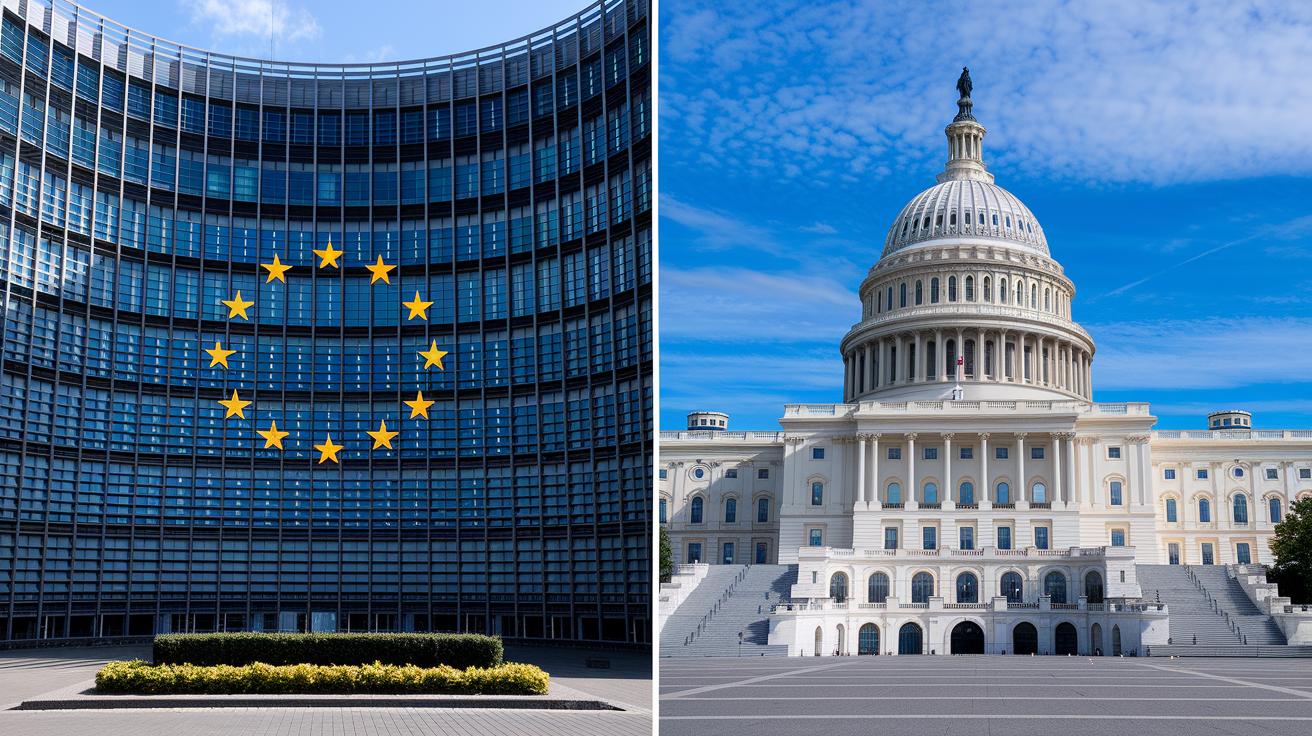
In the European Union, the GDPR came into force on May 25, 2018, and it completely changed how data protection authorities operate. Every member country now has one authority that follows the same strict rules for personal data, ensuring everyone gets a consistent level of privacy. It’s like having one secure key that opens a lock for every home across Europe, giving people clear protections and businesses a simple set of expectations.
In contrast, the United States takes a different approach by mixing federal and state laws. There isn’t a single, nationwide privacy authority. Instead, companies have to juggle various state regulations, much like trying to manage several different locks on one door. This patchwork system can be as tricky as keeping up with a complex security setup, with each state’s rules adding its own twist to the challenge.
Around the globe, other countries follow their own paths too. For instance, Australia’s Privacy Act and similar international standards show how diverse data protection can be. Although these systems all strive to keep personal data safe, they differ in how they enforce the rules day-to-day. This means organizations working worldwide need to stay agile, regularly updating their practices just as you’d check your home’s alarm system, to make sure personal information is always secure.
Interactions Between Data Protection Authorities and Stakeholders

DPAs work like a helpful friend in the digital world. They’re on the front lines of privacy rules, handling complaints from people who believe their personal info might have been mishandled. When a complaint comes in, a DPA digs in by chatting with data controllers (the organizations that decide how your data is used) and data processors (those in charge of handling your data). They take a close look to see if the proper steps were followed and if the right safety measures were in place. Plus, they offer handy tips on your rights, kind of like getting advice from a trusted buddy who knows the ins and outs of keeping your info secure.
For big companies that operate across many countries, keeping track of privacy rules can be a real headache. DPAs require quick and clear reports when a breach happens. They also make it easier for companies to stick to privacy rules across borders using what’s called the One-Stop-Shop mechanism. This means one main contact, the Lead Supervisory Authority, helps handle issues for companies working in multiple places. It cuts out confusion and helps everyone follow the same rules, making sure privacy and security measures are met without overloading anyone.
what is a data protection authority: Bright Clarity

Local examples show how local rules and oversight customize privacy protection to meet everyday needs. Check out a few key players:
- CNPD – Portugal: This agency makes sure Portugal follows the GDPR (the big privacy law that protects personal data).
- ICO – United Kingdom: They share advice and keep an eye on the companies that handle your information.
- EDPS – EU institutions: Their job is to ensure that all EU bodies stick to the privacy rules.
- FTC – U.S.: They use Section 5 to go after unfair data practices and safeguard your privacy.
You'll notice clear differences in how these organizations work. Europe runs a unified system that makes enforcing rules smoother across countries. Meanwhile, U.S. agencies mix federal and state guidelines, creating a unique blend of oversight. Even with these differences, every regulator shares one goal: keeping your data safe and secure.
Best Practices for Complying with Data Protection Authorities

If you want to meet data protection authority expectations, start by building a solid plan. Begin with clear guidelines and procedures, and make sure someone is in charge of overseeing how data is managed. Regular check-ups, like routine car maintenance, help ensure every part of your data system is ready as privacy rules change.
Next, set up strong technical defenses. Encryption (a way to lock down your data) is key for keeping sensitive information safe, even if it slips into the wrong hands. Make sure only the right people have access and use logging systems to keep track of who does what. Regular risk assessments work like checking your home’s locks, spotting and fixing any gaps before they turn into bigger problems.
Finally, act quickly when issues arise. Report security incidents as soon as they occur to stop small problems from growing. Team up with data protection authorities to get helpful advice and make adjustments fast. It’s like calling your local safety crew when you notice something off, keeping your system strong and ready for anything.
Final Words
In the action, we explored how independent DPAs serve as personal information watchdogs and enforce strict regulations. We dug into their key functions, investigatory, corrective, and advisory, and compared international frameworks that guide their operations. We also looked at real-world examples and discussed best practices for staying secure and compliant. These insights answer what is a data protection authority while showing how this framework supports business growth and cybersecurity. Embracing these strategies puts you on the path to a safer, more innovative digital future.
FAQ
What are data protection authorities and what is their role?
The data protection authorities, like those designated by the GDPR and national bodies in Germany, safeguard personal data by investigating breaches, enforcing rules, and guiding organizations to keep information secure.
What is a Data Protection Officer?
The Data Protection Officer advises on privacy compliance, monitors adherence to data laws, and acts as the go-between for organizations and regulators to ensure personal data remains protected.
What rights are granted to consumers by the California Privacy Protection Agency?
The California Privacy Protection Agency grants consumers rights to access, correct, and delete their personal information, helping them maintain control over their data in a secure environment.
What measures do DPAs use against procedural infringements and data security breaches?
DPAs use audits, investigations, and corrective actions like warnings and fines to tackle procedural flaws and data breaches, ensuring that organizations quickly fix problems and protect personal data.
What is a data subject?
A data subject is an individual whose personal information is collected or processed; they enjoy rights such as access, correction, and deletion of their data under privacy laws.
What is the data protection authority in the US?
In the US, no single nationwide data protection authority exists; instead, various federal and state agencies share the responsibility of protecting consumer data and enforcing privacy laws.